
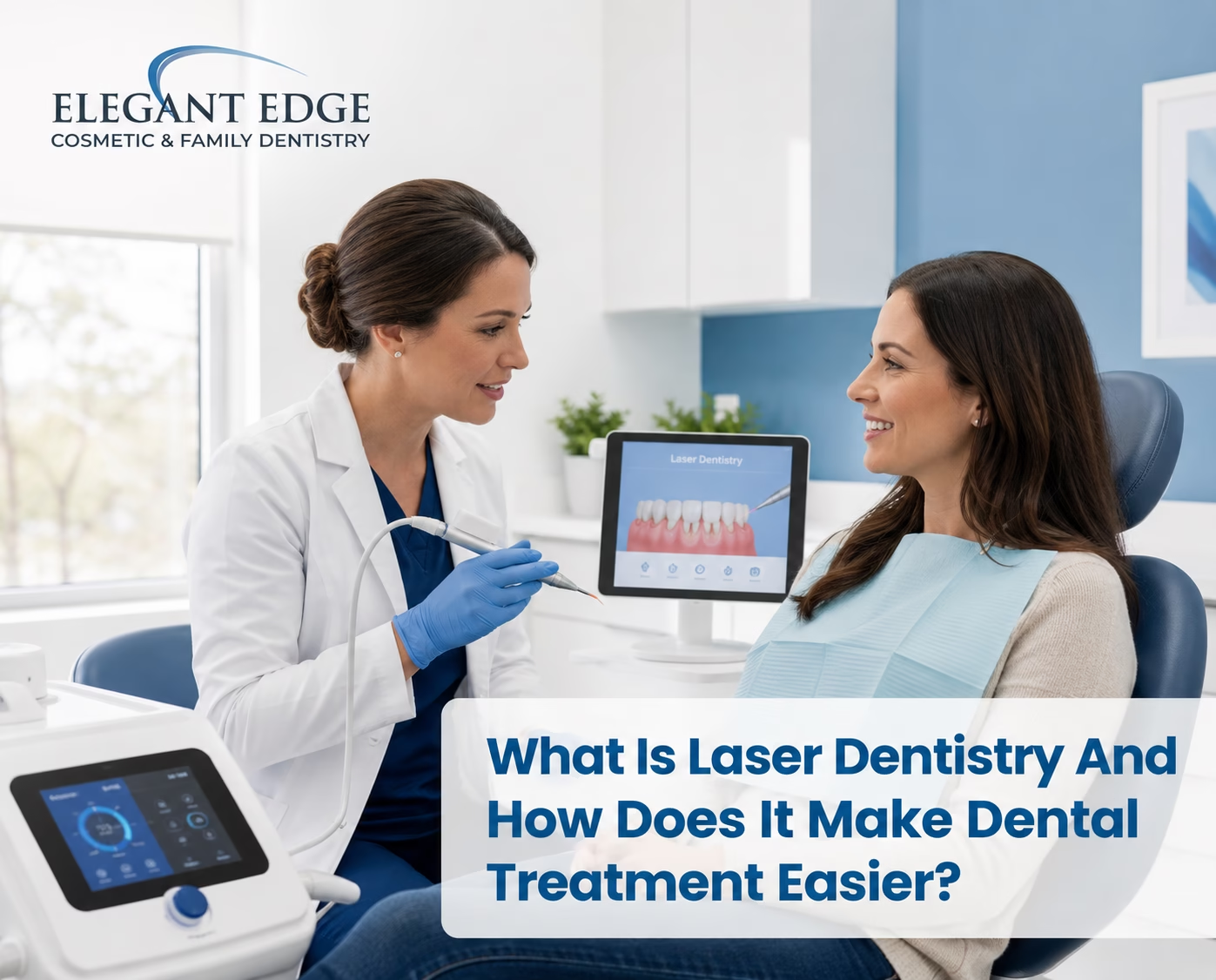
Laser dentistry uses a focused beam of light energy to treat teeth and soft tissue with more precision and less discomfort than traditional tools. Many procedures need little or no anesthesia, cause less bleeding, and heal faster.
It is FDA-approved and is used for everything from cavity preparation and gum disease treatment to cosmetic reshaping and tongue-tie release.
Key Takeaways
- A dental laser delivers light energy that cuts, reshapes, or vaporizes tissue with extreme precision.
- Most laser procedures are quieter, gentler, and finish with less swelling than drill-based work.
- Lasers have been FDA-approved for dental use since the 1990s and are widely studied.
- Soft tissue lasers handle gums and lips; hard tissue lasers can prepare cavities and teeth.
- Anxious patients often say a laser appointment changed their entire view of dental care.
How Does Laser Dentistry Work?
A dental laser is a small handpiece that produces a tightly focused beam of light at a specific wavelength. That light is absorbed by water, pigments, or minerals in the tissue your dentist is treating. As the energy is absorbed, it gently vaporizes the targeted tissue without touching the area around it.
There is no spinning bit, no vibration, no high-pitched whine. Many patients describe the sensation as a gentle warmth or a faint tingling. Because the laser also seals tiny blood vessels and nerve endings as it works, there is usually very little bleeding and the area feels less sore afterward.
If you have ever wondered why some dental work today looks nothing like what you remember from years ago, this is part of the reason.
What Types of Dental Lasers Are Used?
There are two main families.
- Soft tissue lasers, such as diode lasers, are designed to interact with the water and pigment in gums, lips, and cheeks. They are used for gum reshaping, periodontal therapy, and frenectomies.
- Hard tissue lasers, like erbium lasers, target the water and minerals inside enamel, dentin, and bone. They are used for cavity preparation, sealing sensitive teeth, and certain surgical procedures.
Different cases call for different wavelengths. A trained dentist matches the tool to the task instead of forcing one device to do everything.
How Is a Dental Laser Different from a Drill?
A traditional drill works by mechanical friction. It is fast and effective, but it produces vibration, sound, heat, and pressure, all of which contribute to the experience many people dread.
A laser uses light instead of friction. There is no contact in the same way, no spinning motion, and far less sensory input that the nervous system interprets as a threat. For small to mid-sized cavities and most soft tissue work, that change is what makes the experience feel different. Drills still have a role for certain procedures, but lasers expand what we can do with less stress on you.
What Dental Procedures Can Be Done with a Laser?
The list keeps growing as the technology improves. Here is what is most common today.
Soft Tissue Procedures (Gums, Tongue, Lips)
Soft tissue lasers are workhorses for gum care. We use them to remove inflamed or infected tissue around the teeth as part of gum disease treatment, to reshape an uneven gumline for a more even smile, and to release a tongue-tie or lip-tie in infants and children. They can also clear cold sores quickly and assist with biopsies of unusual lesions.
Patients leave most of these visits with little or no bleeding, no stitches, and a recovery measured in days rather than weeks.
Hard Tissue Procedures (Teeth and Bone)
Hard tissue lasers can detect early decay, prepare small cavities, and seal hypersensitive teeth. Many dental filling visits go faster when a laser is used to remove just the decayed portion of the tooth without disturbing healthy surrounding enamel.
Being honest, lasers cannot replace the drill for every procedure. Large cavities, crown preparation, and some restorations still need traditional tools. The best result comes from a dentist who knows when to pick which one.
Cosmetic and Whitening Applications
Lasers can activate the gel used in professional teeth whitening, which speeds up sessions and lifts deeper stains. They can also smooth a slightly uneven gumline before cosmetic bonding so the final result looks balanced and natural. Small cosmetic changes that once needed surgery can often be done in a single, low-stress visit.
What Are the Benefits of Laser Dentistry?
The advantages stack up across nearly every category patients ask about.
- Less pain, often with no need for a numbing shot for soft tissue work.
- Reduced bleeding, since the laser closes small vessels as it cuts.
- Lower infection risk, because the laser energy sterilizes the treatment area in real time.
- Greater precision, which means more healthy tissue is preserved.
- Faster healing and less swelling after most procedures.
- No drill noise or vibration, which makes the entire visit feel calmer.
- Shorter appointments, in many cases, because there is less prep and less recovery time in the chair.
Not every benefit applies to every procedure, but most patients notice at least three of these on their very first laser visit.
How Does Laser Dentistry Compare to Traditional Treatment?
Side by side, the differences are easier to picture.
| Factor | Traditional Tools | Laser Dentistry |
|---|---|---|
| Pain level | Often moderate; usually needs numbing | Minimal; often no numbing needed for soft tissue |
| Noise and vibration | High-pitched whine and shaking sensation | Quiet, often silent with no vibration |
| Anesthesia | Almost always required | Sometimes optional, especially for gum work |
| Bleeding | Common during gum or soft tissue work | Minimal, since the laser cauterizes as it cuts |
| Healing time | Days to weeks depending on procedure | Often half the time of traditional methods |
| Precision | Mechanical, removes some healthy tissue | Targets only the intended tissue |
| Infection risk | Standard, with normal sterile protocol | Lower, since heat sterilizes the area |
| Patient anxiety | Common, due to noise and pressure | Lower, due to quieter, gentler experience |
Traditional tools still belong in modern dentistry. The smartest treatment plan uses the right tool for each part of the procedure, not the same one for everything.
What Should You Expect During a Laser Dental Procedure?
First-time hearing about this can feel a little abstract, so here is a walk-through of a typical visit.
- Step 1. Your dentist explains the procedure and answers your questions. We always check in about anxiety, allergies, and any medications.
- Step 2. Everyone in the room, you included, puts on protective eyewear. This is standard and not a sign that anything is risky.
- Step 3. We numb the area only if needed. For most soft tissue work, a topical gel is plenty, and many patients feel nothing extra.
- Step 4. The laser is applied to the treatment area. You may feel a slight warmth, hear a soft popping sound, and notice a faint smell. All normal.
- Step 5. We check the result, finish any small touch-ups, and rinse the area.
- Step 6. You leave with simple care instructions: usually rinse gently, avoid spicy food for a day, brush carefully around the spot.
Most visits wrap in 30 to 60 minutes, and many patients head straight back to work or school.
Is Laser Dentistry Safe for Everyone?
Dental lasers have been FDA-approved since 1990 and are backed by decades of clinical research. They are considered safe when used by a trained dentist with the right protective protocols.
Can Children Receive Laser Dental Treatment?
Yes. In fact, children often benefit the most. The quieter, gentler experience makes it easier for kids to stay still, builds a positive memory of the dentist, and reduces the need for shots or sedation. Common pediatric uses include treating cavities, releasing a tongue-tie, and resolving a gummy smile. Our pediatric dentistry team uses lasers regularly to make those first dental experiences as easy as possible.
Are There Any Limitations of Laser Dentistry?
Yes, and we are upfront about them. Lasers are not the right tool for teeth with large existing fillings, certain cavities between back teeth, or full crown and bridge preparations. Some restorations still need a drill to achieve the right shape.
We evaluate every case on its own and pick the tool that delivers the best result. Anyone who promises lasers can do absolutely everything is overselling.
Does Laser Dentistry Help with Dental Anxiety?
If past dental visits have left you tense, laser care is one of the most powerful changes we can offer. No drill noise. No grinding vibration. No needle in many cases. The chair feels less like a procedure and more like a quick check.
We have heard from countless patients that one laser visit reset their entire relationship with the dentist. If you need a little extra calm on top of the gentler tools, sedation dentistry options are also available so you can stay comfortable from start to finish.
Ready to see what a quieter, gentler appointment feels like? Call us at (248) 852-3130 or book an appointment online. Evening hours are available for busy schedules.
Frequently Asked Questions
Does laser dentistry hurt?
Most patients feel little to no discomfort. Soft tissue treatments often need no numbing at all, and even cavity preparation tends to be less intense than it is with a drill. A mild warmth is the most common sensation.
Is laser dentistry more expensive?
It can be slightly higher for some procedures, since the equipment is advanced. The trade-off is shorter visits, faster healing, and fewer follow-ups for many patients. We will always discuss cost before treatment begins.
Can a laser fully replace the drill?
Not yet. Lasers handle a wide range of work, but certain restorations and large cavities still need traditional tools. The best treatment plans use lasers when they are clearly better and drills when they are needed.
How long does a laser procedure take?
Most visits run 30 to 60 minutes, depending on the procedure. Simple cosmetic gum reshaping can be even quicker.
Is laser dentistry covered by insurance?
Coverage depends on the procedure and your plan. Many soft tissue treatments are billed the same as their traditional counterparts. Our team checks your benefits before treatment so there are no surprises.
What does a dental laser feel like?
Most patients describe a gentle warmth or a slight tingling. There is no vibration. You may hear a faint popping sound and notice a small smell, both of which are normal.
Can lasers treat gum disease?
Yes, and this is one of the most common uses. Lasers remove infected gum tissue, reduce pocket depth, and help the area heal without the discomfort of traditional periodontal surgery.
Is laser dentistry safe for children?
Yes. Dental lasers are FDA-approved for pediatric use and often make appointments easier for kids. They reduce the need for shots and create a calmer experience overall.
How fast is recovery after laser treatment?
Most patients recover in a few days. Some soft tissue procedures heal within 24 to 48 hours, which is much faster than the same procedure done with scalpels or sutures.
Do I need anesthesia for laser dentistry?
Often not for soft tissue work. We may use a topical gel for added comfort. For deeper cavity work or anyone with strong sensitivity, we still offer numbing or sedation. The choice is always yours.
