

Key Takeaways
- Tooth pain, swelling, and lingering sensitivity should be evaluated promptly.
- An exam and X-rays are needed to confirm whether this treatment is the right next step.
- Most visits focus on cleaning the inside of the tooth, sealing it, and protecting it afterward.
- A final restoration is often an important part of maintaining the tooth’s strength.
- Timing and cost depend on the tooth, the extent of damage, and the follow-up care needed.
When Should You Call Today?
Call sooner if you witness any of the following:

Severe Pain When Chewing or Biting

Swelling in the Gums, Jaw, or Face
A Pimple-like Bump on the Gums
Lingering Hot or Cold Sensitivity

A Darkened Tooth After Trauma
Pressure That Seems to Be Getting Worse
Who is This Care for, and When Might Something Else Be Going on?
This treatment may help people with an infected or inflamed pulp who still have a tooth that can be restored.
It May Be a Fit When You Have
- Deep decay
- A cracked or injured tooth
- Pain that lingers
- Swelling or tenderness around one tooth
- A history of extensive dental work on the same tooth
It May Not Be the Best Track When
- The tooth is too broken down to restore
- A severe fracture extends too far below the gumline
- Another issue is causing the pain, such as a bite problem, gum disease, or a cracked filling
What Happens Inside the Tooth?
Inside each tooth is a smooth tissue called the pulp. It includes nerves, blood vessels, and connective tissue.
When bacteria reach that space through decay, cracks, trauma, or leakage around older dental work, the pulp can become irritated or infected. If that irritation keeps progressing, pain, swelling, or an abscess can follow.
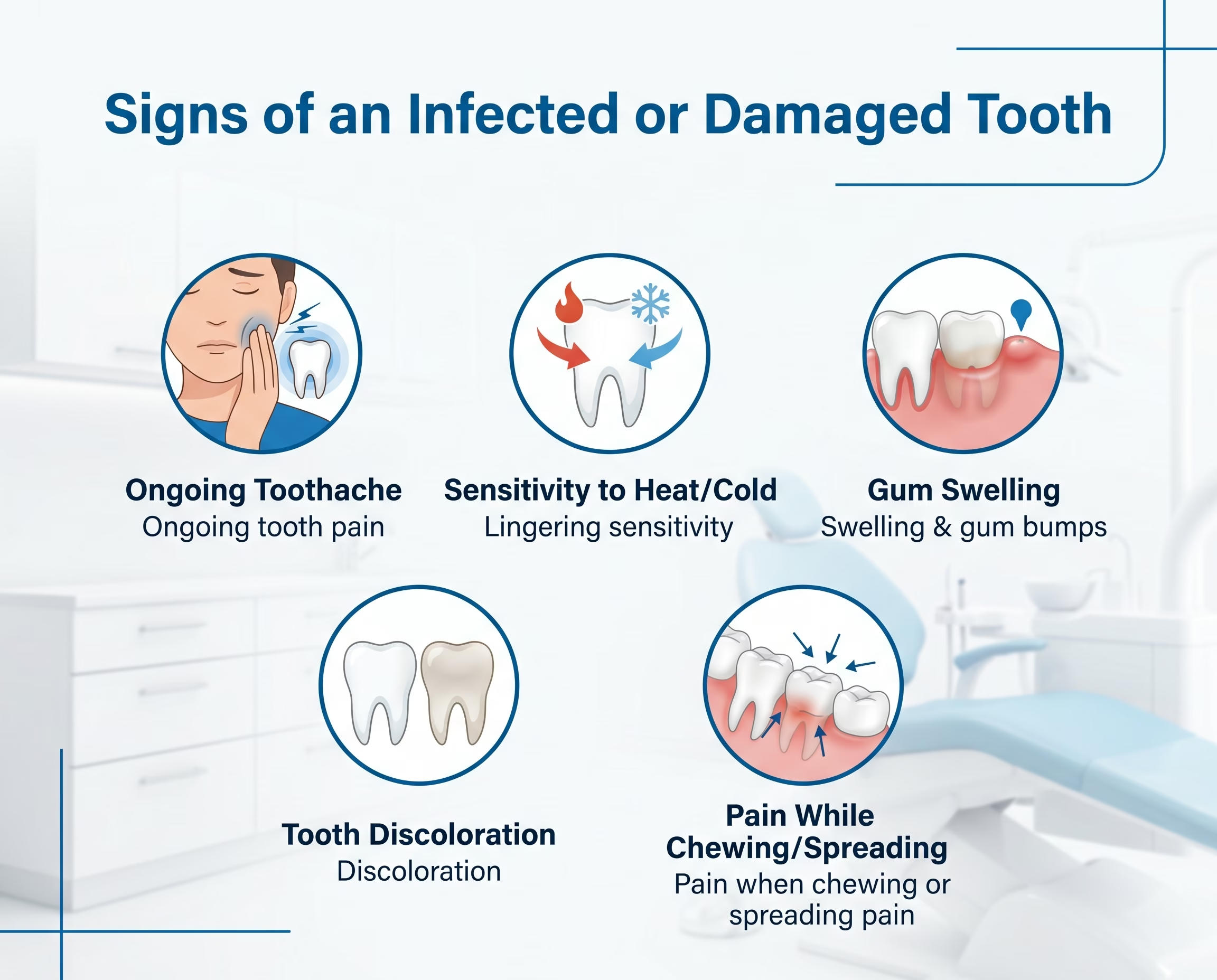
What Signs Can Point to an Infected or Damaged Tooth?
Common warning signs include:
- Ongoing toothache
- Pain when chewing
- Sensitivity to heat or cold that lingers
- Gum swelling
- A bump on the gums
- Tooth discoloration
- Pain that seems to spread into the jaw or nearby teeth
A filling, a crown, a crack, or a gum problem can cause similar symptoms. X-rays and an exam help sort out the cause.
What Can Lead to This Treatment?

Deep Decay
A cavity that reaches the inner part of the tooth can irritate the pulp and allow bacteria to enter.

Trauma
A hit to the mouth can damage the inside of a tooth, even if the outside does not look badly broken.

Cracks or Fractures
A crack can create a pathway for bacteria and cause the tooth to hurt when biting.
Older Dental Work
A tooth with a large filling, prior repair, or repeated treatment can become irritated over time.
What Happens During Treatment?
Exam and X-rays
Your visit usually starts with an exam, symptom review, and X-rays. This helps confirm what is happening inside the tooth and whether saving it is realistic.
Numbing and Isolation
The area is numbed first. A protective barrier is commonly used to keep the tooth clean and dry during the visit.
Cleaning the Inside of the Tooth
A small opening is made so the damaged pulp can be removed. The inside spaces are then cleaned, shaped, and disinfected.
Sealing and Protecting the Tooth
The cleaned space is filled and sealed. In many cases, the tooth then needs a final restoration so it can chew normally again.
What Affects Cost and Timing?
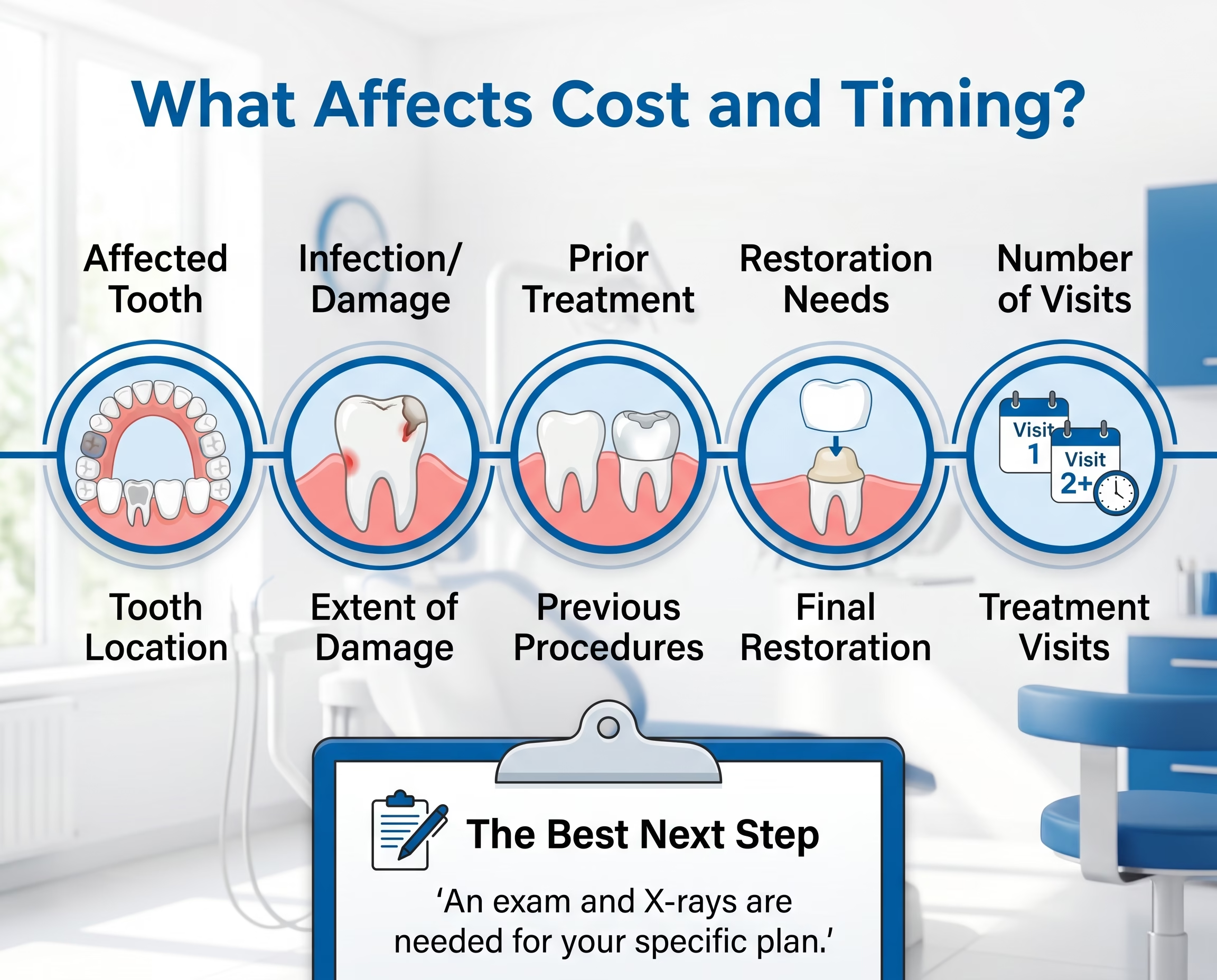
Several factors can change the overall plan:
- Which tooth needs treatment
- How much infection or damage is present
- Whether the tooth has had prior treatment
- Whether a buildup or crown is needed afterward
- Whether more than one visit is required
- Your insurance benefits, if applicable
A quick online estimate rarely tells the full story. The most useful next step is an exam and X-rays.
Does It Hurt, and What About Comfort Options?
Most patients are concerned about comfort before anything else. That is normal.
The numbing part of the visit is designed to keep the area comfortable during treatment. Afterward, some soreness or tenderness can happen for a few days, especially when chewing.
If you feel anxious about dental visits, ask about comfort-focused planning before treatment begins. Clear communication matters.
What Should You Expect After Your Visit?
The First Few Days
- Chew on the other side if possible
- Choose softer foods if the area feels tender
- Brush and floss gently
- Follow the office’s instructions about medication and follow-up
When Should You Call the Office?
- Increasing swelling
- Worsening pain instead of gradual improvement
- A bite that feels uneven or too high
- Problems with a temporary filling
- New pressure that feels sharp or persistent
Why Does the Final Restoration Matter?
This step is easy to underestimate. A treated tooth can still be weaker than before, especially if a lot of structure was already lost.
Protecting the tooth with the recommended restoration often helps it remain useful long term.

Why Choose Elegant Edge Dentistry for This Kind of Care?
At Elegant Edge Dentistry, the goal should be clear answers, a practical treatment plan, and a focus on protecting the tooth afterward.
If your treatment also involves restoring appearance or long-term function, it can help to understand the practice’s broader cosmetic dentistry services as part of your overall dental plan.
This page keeps the guidance simple on purpose. No inflated promises. Just the steps, the warning signs, and what to expect next.
Is Keeping the Tooth Better Than Removing It?
When a tooth can still be predictably restored, saving it is often the preferred option. Keeping the natural tooth can help preserve normal biting, chewing, and spacing.
Here is a simple comparison:
| Option | Main Goal | What to Consider |
|---|---|---|
| Save the tooth | Keep the natural tooth in place | Often preferred when the tooth can still be restored |
| Remove the tooth | Take out a tooth that cannot be predictably restored | May lead to replacement planning, timeline, and added cost |
Removal may be recommended when the tooth is too damaged, severely fractured, or unlikely to support a restoration. That decision should come after imaging and a clear discussion of options.
What Happens Next?
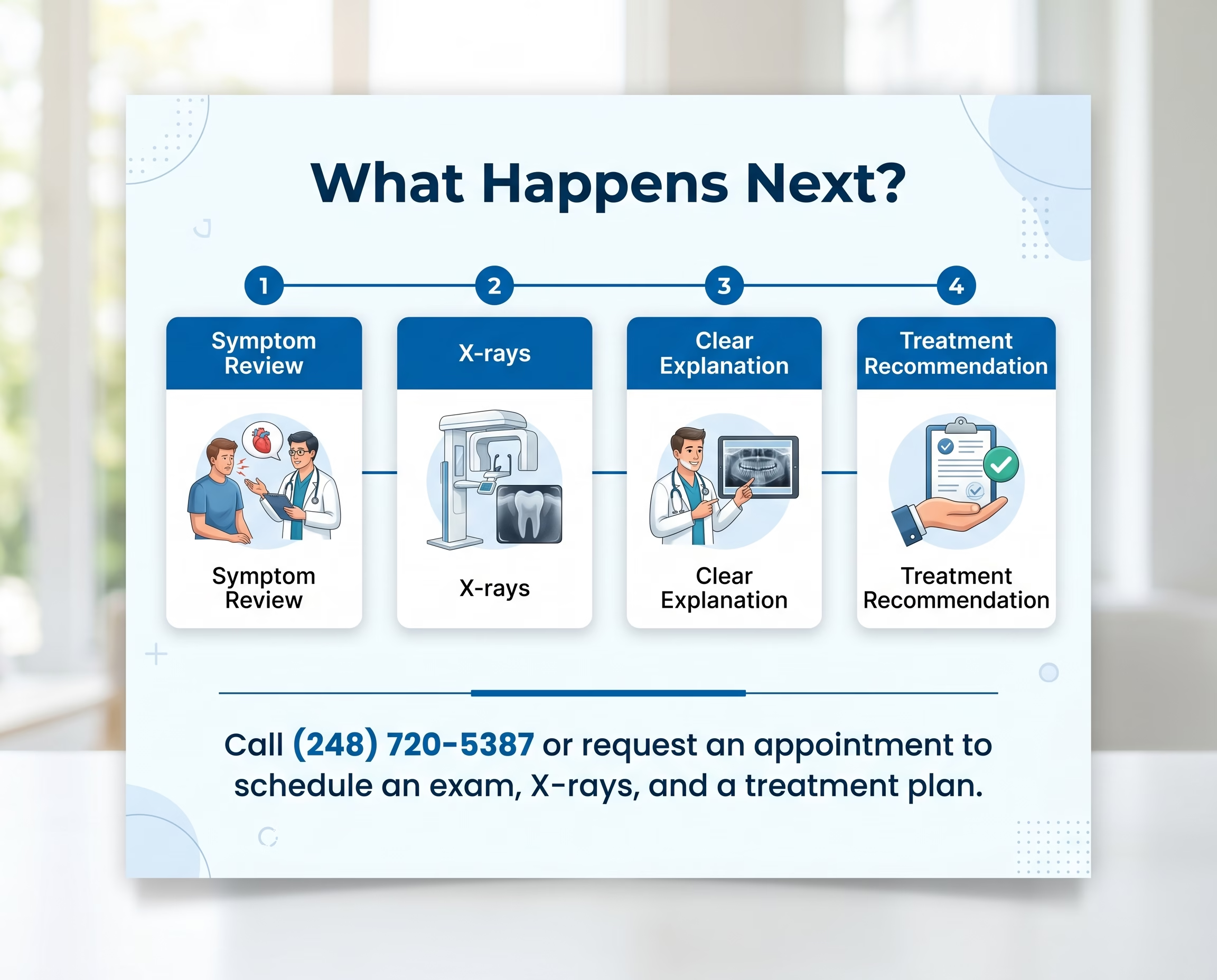
Your first visit typically includes:
- A symptom review
- X-rays
- A clear explanation of what the images show
- A recommendation for treatment or another next step
- A discussion of restoration needs and timing
Call (248) 720-5387 or request an appointment to schedule an exam, X-rays, and a treatment plan.
Frequently Asked Questions
How Do I Know When This Treatment May Help?
Common signs include lingering hot or cold sensitivity, pain when chewing, swelling, a gum bump, discoloration, or a deep cavity. An exam and X-rays are needed to confirm the cause.
How Long Can the Visit Take?
Many visits take about one to two appointments, but timing depends on which tooth is involved, how complex the infection is, and whether additional restoration is needed.
Will I Need a Crown Afterward?
Often, yes. A back tooth or a tooth with significant structural loss commonly needs a crown to protect it from future fracture. The best option depends on the tooth and how much healthy structure remains.
What Should I Avoid for the First Few Days?
Avoid chewing hard or sticky foods on the treated side until the tooth is fully restored. Gentle brushing, flossing, and softer foods are usually the easiest first steps.
Can the Tooth Be Treated Again Later if Needed?
In some cases, a previously treated tooth can be evaluated for retreatment. The decision depends on the tooth, the reason symptoms returned, and whether enough structure remains.
When is Removal Recommended Instead?
Removal may be recommended when the tooth is too broken down, has a severe crack, or cannot be restored predictably. The decision should be based on an exam, imaging, and a discussion of replacement options.
Can I Go Back to Work or School the Same Day?
Many patients return to normal routines the same day, especially after the numbness wears off. Your timeline can vary based on soreness, the complexity of the visit, and whether additional treatment is planned.
Why Does the Tooth Still Feel Sore After Treatment?
Mild soreness or pressure can happen for a few days as the area settles. Worsening pain, swelling, or a bite that feels high should be checked by the dental office.
Call (248) 720-5387 or request an appointment to take the next step.