
Key Takeaways
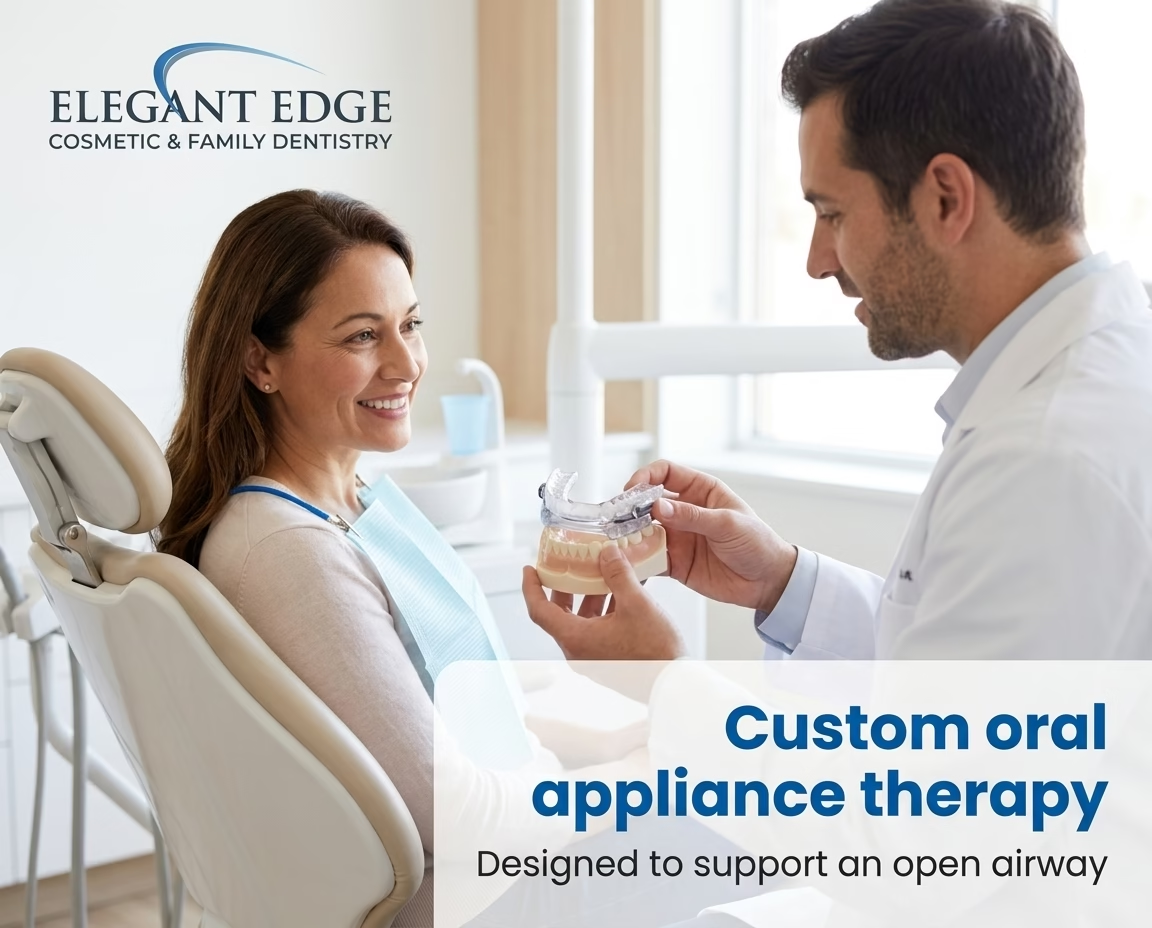
- Custom oral appliances gently reposition the lower jaw to keep your airway open during sleep, with no mask, hose, or motor.
- Oral appliance therapy is FDA-cleared and recommended by the American Academy of Sleep Medicine as a first-line option for mild-to-moderate OSA and for CPAP-intolerant patients.
- Appliances are quiet, portable, and easy to travel with, which often translates to better long-term compliance than CPAP.
- A sleep study and a formal OSA diagnosis from a physician are required before we begin oral appliance therapy.
- Medical insurance often covers oral appliance therapy – our team helps you verify benefits before fabrication.
Sleep apnea treatment at Elegant Edge Dentistry in Rochester Hills gives you a mask-free, motor-free alternative. We custom-fit an oral appliance that gently repositions your lower jaw so your airway stays open through the night. No CPAP. No tubing. No hiss of forced air. Just the kind of real sleep you probably stopped believing was possible.
A short consultation is the first step. Call (248) 852-3130 or request a visit online.
How Do You Know if You Have Sleep Apnea?
The people around you often notice first. Loud, habitual snoring and sudden gasps or choking sounds during sleep are the signs partners usually report.
Common signs include:
- Loud, chronic snoring night after night
- Gasping or choking awake during sleep (often noticed by a partner)
- Morning headaches or waking up with a dry mouth
- Daytime sleepiness even after a full night in bed
- Trouble focusing, short-term memory lapses, or slower reaction times
- Mood changes, irritability, or low motivation
- Waking up multiple times to use the bathroom
A formal diagnosis requires a sleep study, which is ordered by a physician and done either at home or in a sleep lab. Our role is complementary: once your doctor confirms OSA, we handle the dental side of treatment.
What is Sleep Apnea, and Why Does It Happen?
Sleep apnea is a sleep disorder where breathing repeatedly pauses and restarts during the night. Each pause can last from a few seconds to over a minute, and it can happen dozens, sometimes hundreds of times, without waking you up fully.
Obstructive sleep apnea (OSA) is by far the most common type. It happens when soft tissue at the back of the throat relaxes during sleep and physically blocks the airway. Central sleep apnea is less common and involves a signal problem between the brain and breathing muscles, not a physical blockage.
The American Medical Association estimates that millions of Americans have OSA that has never been diagnosed. Many chalk up the fatigue and brain fog to stress, age, or bad sleep habits. In truth, the airway is the issue, and it is very treatable once identified.
How a Custom Oral Appliance Works (No CPAP Needed)
A CPAP machine pushes pressurized air through a mask to keep your airway open. It works well in the lab, but studies consistently show many patients abandon CPAP within a year because of the mask, the noise, or the travel hassle.
An oral appliance tackles the same airway problem with a different tool. It looks similar to a sports mouthguard, fits snugly over your upper and lower teeth, and slides your lower jaw slightly forward. That small shift keeps the tongue and soft tissue from collapsing backward while you sleep. No electricity. No air pressure. Just physics.
FDA Clearance and Clinical Guidelines
Oral appliances are FDA-cleared for the treatment of obstructive sleep apnea. The American Academy of Sleep Medicine recommends oral appliance therapy as a first-line option for mild-to-moderate OSA and as an alternative for patients with severe OSA who cannot tolerate CPAP. For many patients, this moves the appliance from a “plan B” to a legitimate first-choice therapy.
Medical Insurance and Oral Appliance Therapy
Oral appliance therapy is often billed under medical insurance, not dental. Coverage depends on your specific plan, your diagnosis, and the documentation your sleep physician provides. Our team helps you gather the right paperwork and verify benefits before fabrication begins, so there are no surprises. Ask us during your consultation.
Benefits of a Traditional CPAP Machine
- Silent – no motor hum or airflow noise for you or your partner
- No mask, no hoses, no hardware on the nightstand
- Small enough to pack in a carry-on or overnight bag
- Simple to clean with a toothbrush and mild soap
- Easier long-term compliance, which is the single biggest predictor of results
Why Leaving Sleep Apnea Untreated is a Health Risk
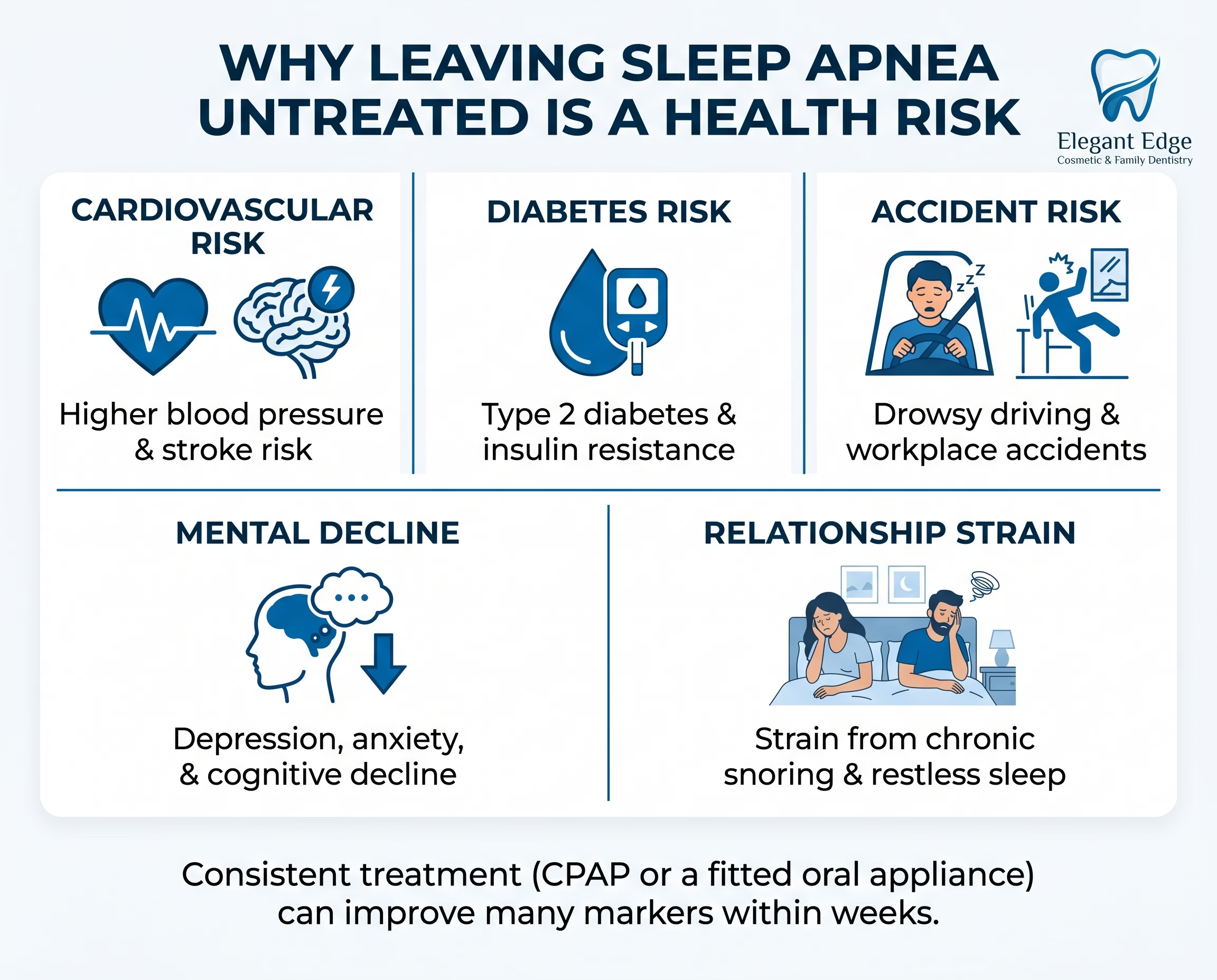
Sleep apnea is not just a snoring problem. When breathing stops, oxygen drops, and the body releases stress hormones to jolt you just awake enough to start breathing again. Repeated night after night, that rollercoaster adds up across years.
Research links untreated OSA to:
- Higher blood pressure and increased cardiovascular risk, including stroke
- Type 2 diabetes and insulin resistance
- Drowsy driving and workplace accidents
- Depression, anxiety, and measurable cognitive decline over time
- Strain on relationships from chronic snoring and restless sleep
Studies suggest that consistent treatment – CPAP or a properly fitted oral appliance – improves many of these markers, sometimes meaningfully within weeks. Put simply, treating OSA is one of the higher-leverage health decisions most adults can make in midlife.
Your Sleep Apnea Treatment Journey at Elegant Edge
No guesswork. No piecemeal steps. Here is what treatment actually looks like from start to finish.
Consultation and Records Review
You bring your sleep study results to Elegant Edge Dentistry. We review your symptoms, examine your jaw, teeth, and airway anatomy, and take impressions. If you have not had a sleep study yet, we coordinate with a local sleep physician to get one scheduled.
Custom Appliance Fabrication
Your impressions go to a dental lab that specializes in sleep devices. The appliance is built to your exact bite, airway needs, and comfort profile. Most devices arrive back at the office within two to three weeks.
Fitting Appointment
You come back to try on the appliance. We make small adjustments to bite balance, tooth contact, and jaw position so the fit is comfortable right from the first night. You leave with clear wear instructions and a cleaning routine.
Follow-Up and Ongoing Monitoring
A few weeks in, we see you back to check how sleep quality has changed, refine the appliance if needed, and coordinate with your sleep physician on outcomes. The goal is lasting results, not a one-and-done handoff. Our general dental care team also keeps an eye on your bite and jaw health at your routine visits.
Caring for Sleep Apnea Patients Across Oakland County
Elegant Edge Dentistry has served Rochester Hills for over 30 years, and our sleep apnea patients come to us from across Oakland County. That includes Troy, Auburn Hills, Sterling Heights, Bloomfield Hills, Pontiac, and Birmingham.
Evening appointment hours make it easier for working adults to fit consultations and follow-up visits around a packed calendar. You should not have to burn a vacation day to start sleeping better.
Ready to find out if an oral appliance is right for you? Call (248) 852-3130 or contact our dental office online.
What Makes Elegant Edge Dentistry Different
Dr. Gregory Mansour has practiced in Rochester Hills since 1992. He and the team approach sleep apnea the way they approach the rest of our cosmetic and family dentistry care – one patient at a time, not from a script.
- Custom-fabricated appliances calibrated to your bite, not stock boil-and-bite devices
- ACLS-certified provider for added patient safety
- Close coordination with your sleep physician so everyone is working from the same plan
- Insurance guidance to demystify medical coverage for oral appliance therapy
- Evening hours that accommodate working schedules
If you have tried CPAP and it did not stick, we listen first. We want to understand what went wrong before we build something new. That extra context shapes a better-fitting appliance and, usually, a much better night of sleep.
Frequently Asked Questions About Sleep Apnea Treatment
Do I Need a Sleep Study Before Getting an Oral Appliance?
Yes. Sleep apnea is a medical diagnosis that must come from a physician, usually after an overnight sleep study (either at home or in a sleep lab). Once we have your results, we can begin oral appliance therapy. If you have not yet completed a sleep study, we can help coordinate one with a sleep medicine physician before fabrication starts.
Is a Dental Oral Appliance as Effective as a Cpap Machine?
For mild-to-moderate obstructive sleep apnea, studies show oral appliance therapy can be highly effective – often comparable to CPAP on long-term outcomes, largely because patients actually wear their appliances night after night. For severe OSA, CPAP remains the clinical gold standard, but an oral appliance is a strong second option for patients who cannot tolerate the mask.
How Long Does It Take to Get an Oral Appliance?
From impression to delivery, most appliances are ready in two to three weeks. Factor in the fitting visit and minor adjustments, and most patients are actively sleeping with their appliance about three to four weeks after the first consultation.
Will My Insurance Cover a Sleep Apnea Oral Appliance?
Many medical insurance plans (not dental plans) cover oral appliance therapy once OSA has been diagnosed. Coverage depends on your plan’s medical benefit and the documentation from your sleep physician. Our team helps you submit the correct paperwork and verify benefits before we begin. For billing questions specific to your plan, call (248) 852-3130.
Can Snoring Alone Be Treated With an Oral Appliance, Even Without a Sleep Apnea Diagnosis?
Yes. A mandibular advancement device can reduce or eliminate primary snoring, even without an OSA diagnosis. That said, loud chronic snoring is one of the strongest warning signs of sleep apnea, so we still recommend ruling out OSA with a sleep study first. Treating snoring without checking for apnea can mask something more serious.
Ready to Sleep Better and Feel Better?
Quality sleep changes everything – your energy, your focus, your mood, your long-term health. Elegant Edge Dentistry offers custom oral appliances for patients across Rochester Hills and the broader Oakland County area. Take the first step toward restful sleep. Call (248) 852-3130 or request an appointment online.