
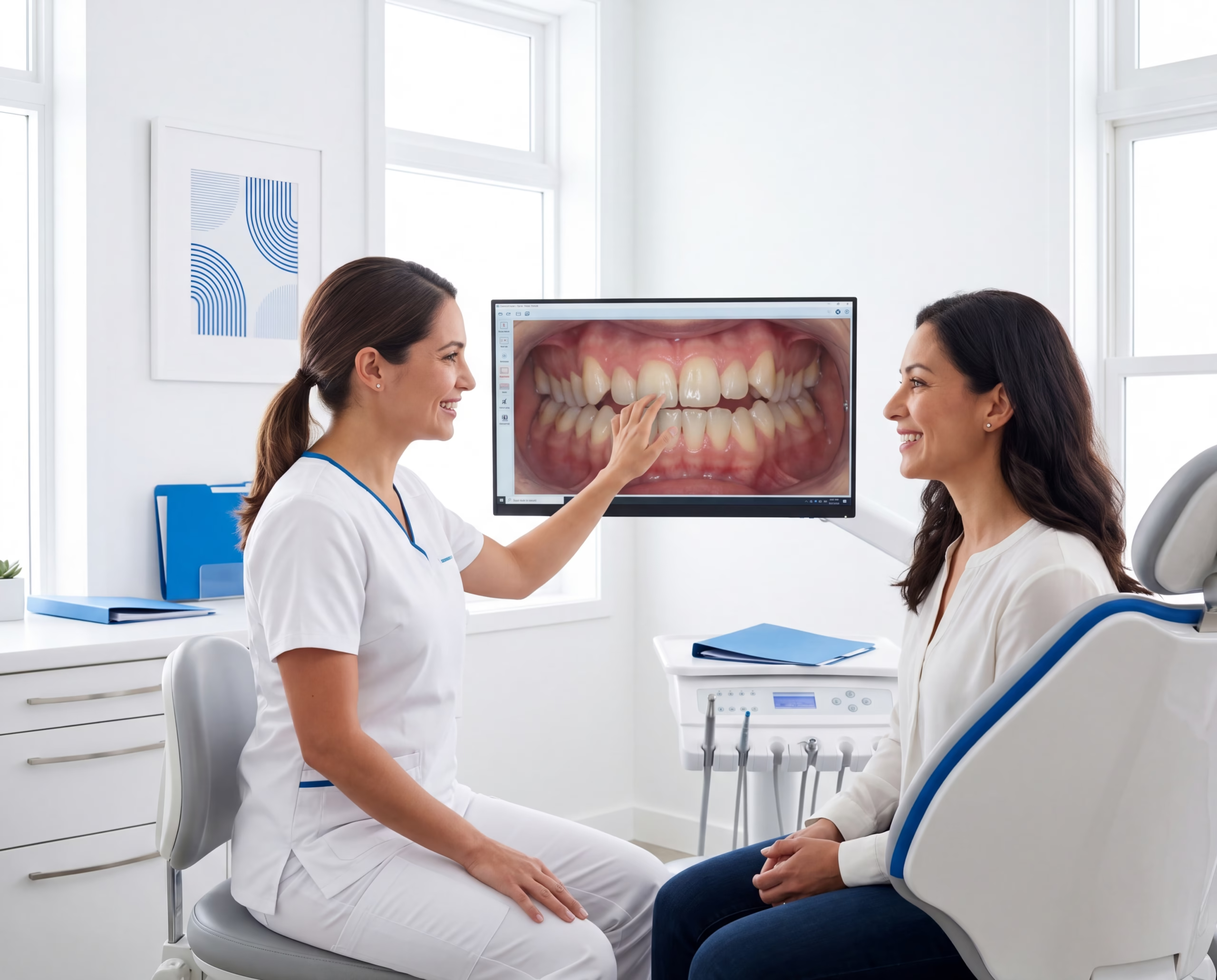
How Orthodontic Care Improves Your Smile and Bite
Orthodontics focuses on alignment—how teeth sit in your smile and how they meet when you bite.
You might consider an evaluation if you notice:
- Crowding that makes brushing or flossing harder
- Spaces that trap food
- Teeth that feel “off” when you chew
- Shifting, you can see in photos over time
- A bite that feels uneven
If you’re not sure what’s behind it, that’s normal. An exam is how you separate “annoying” from “worth treating.”
Orthodontics Open for Everyone
The basics stay the same. Teeth move gradually. Habits and schedules change.

Kids
Some kids benefit from an early check to spot bite or spacing issues. Parents usually want a simple answer: “watch it” or “treat it.”

Teens
Teens often care about appearance and convenience. The best option depends on bite needs and how consistent they’ll be.

Adults
Adults often want a lower-profile option and a plan that fits around work and family. If you’ve had past dental work, your provider can help coordinate the timing.

Our Proven Process for Orthodontistry
Every plan is different, but most follow the same rhythm.
- Getting started: your braces or aligners are placed/delivered, and you get care instructions
- Check-ins: you come in for progress checks and adjustments
- Retention: Once active movement is done, a retainer helps maintain the new position
If orthodontics is part of a bigger smile goal, you can also explore cosmetic dentistry options.
Braces and Clear Aligners: We Do Both
Both approaches move teeth gradually. Start with this: do you want something you remove, or something that stays put?

Traditional Braces
Braces are fixed. You don’t take them in and out. That can be a relief if routines are already busy.
Braces can also be a good fit when the plan needs steady control over tooth movement.
Clear Aligners
Aligners come out for meals and brushing. Many people like that flexibility.
They also tend to be lower-profile than braces. You still have to keep up with wear time for them to work as intended.

A Quick Side-by-side Look at Lifestyle and Maintenance
Many of our patients in Rochester Hills find it helpful to see both options side by side before making a decision. The table below lays out how braces and clear aligners tend to fit into everyday life. Keep in mind this is a general guide—your exam helps confirm which path actually fits your bite, your goals, and the routine you’ll realistically stick with.

Keeping Braces and Aligners Clean Day to Day
Daily care is one of the biggest factors in a smooth treatment. The good news is that a steady routine doesn’t take long once you settle into it. Plaque and food can build up faster around brackets or inside trays, so a few small habits go a long way toward keeping your teeth and gums healthy throughout treatment.
A Simple Cleaning Routine for Braces
- Brush gently after meals, especially around brackets and along the gumline
- Use a floss threader or a small interdental brush to clean between teeth and under wires
- Rinse with water if you can’t brush right away
- Avoid hard, sticky, or chewy foods that can pop a bracket loose
- Keep up with your regular teeth cleanings and dental checkups
A Simple Care Routine for Clear Aligners
- Remove aligners before eating or drinking anything other than water
- Brush your teeth before placing the aligners back in
- Rinse trays with cool water (hot water can warp them)
- Clean aligners with a soft brush and a gentle, non-abrasive soap
- Store them in their case—not a napkin—to avoid losing or damaging them
If you’re ever unsure about your routine, bring it up at your next visit. Our team is happy to walk you through it again and answer any questions about products you can find at the local pharmacy.
What to Expect at Your Orthodontic Consultation in Rochester Hills
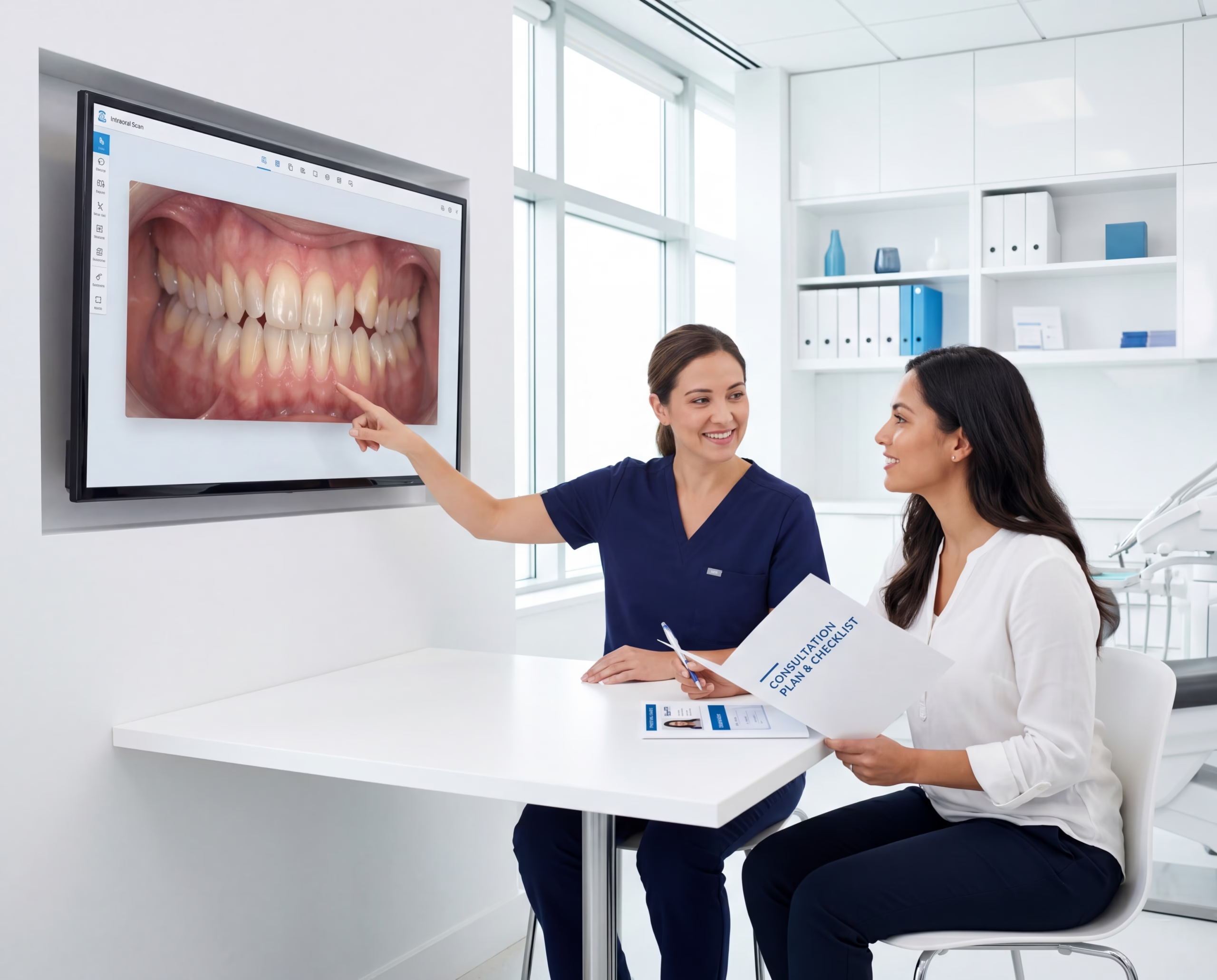
Walking into a new dental office for the first time can feel like a lot, especially if you’ve been thinking about your smile for a while. We want your orthodontic consultation at Elegant Edge Dentistry to feel calm and informative, not rushed. Most first visits include a careful exam, a real conversation about what’s bothering you, and a clear breakdown of which options make sense.
During your appointment, we’ll look at how your teeth meet, where there may be crowding or spacing, and whether anything else (like worn enamel or a habit such as grinding) could be part of the picture. If imaging or a digital scan would be helpful, we’ll explain why before we move forward.
You’ll leave with a better understanding of where you stand, what realistic next steps look like, and what timing and costs may be involved. There’s no pressure to commit on the spot. Take the information home, ask questions, and decide when you’re ready.
Bring This Simple Checklist to Your First Visit
To make your consultation easier, it helps to come prepared. You might bring:
- A photo ID and your dental insurance card
- A short list of medications or supplements you take
- Notes on what you’d like to change about your smile or bite
- Any past dental records or recent X-rays, if you have them
- Questions about timing, comfort, daily care, or cost
There’s no such thing as a small question here. If something is on your mind—how often you’ll come in, what to do if a tray cracks, whether your job involves a lot of talking—just ask. Our team is happy to walk you through every detail.
| Feature | Traditional Braces | Clear Aligners |
|---|---|---|
| Removable | No, they stay on your teeth | Yes, you take them out to eat and brush |
| Visibility | More noticeable | Lower-profile and subtle |
| Eating restrictions | Some foods are off-limits | None when aligners are out |
| Cleaning routine | Brush around brackets and wires | Brush teeth and rinse aligners |
| Office visits | Periodic adjustments needed | Periodic check-ins for new trays |
| Best for | Steady, controlled tooth movement | Mild to moderate alignment goals with consistent wear |
Neither option is universally better. The right fit depends on what you’re treating, how disciplined you can be with wear time, and what feels comfortable for you day to day.

What Counts as an Orthodontic Urgent Issue (and What to Do First)
Most days with braces or aligners are pretty uneventful. Now and then, something pops up that needs attention sooner rather than later. Knowing what to do can save you stress and help prevent a small problem from turning into a bigger one.
Reach out to our office promptly if you notice:
- A wire that’s poking and won’t stay in place
- A loose bracket or band
- An aligner that doesn’t seem to fit anymore
- Sharp tooth or gum pain that doesn’t ease up
- A lost or broken retainer after active treatment
While you’re waiting to be seen, a small piece of orthodontic wax can soften a rough spot, and a warm saltwater rinse can soothe minor irritation. Try not to trim wires yourself—it’s safer to let our team handle adjustments. For after-hours dental emergencies, you can also call our emergency line at (586) 358-4670 for guidance.
Insurance and Payment Questions: What to Expect
The financial side of orthodontic treatment is a real consideration, and we get a lot of questions about it. Our team will gladly walk you through your options before you commit to anything, so there are no surprises later.
A few things that often come up:

Insurance Coverage
Many dental plans include some orthodontic benefits, especially for kids and teens. Adults may have partial coverage depending on the plan.

In-network Plans
We’re in-network with Delta Dental Premier, Delta Dental PPO, and Aetna Extend, and we work with other plans on an out-of-network basis.

Flexible Payment
Financing through CareCredit may help spread treatment costs over time, often with low monthly payments.

What’s Included
Records, retainers, and follow-up visits are part of a complete orthodontic experience. We’ll walk you through what’s covered before treatment starts.
Frequently Asked Questions on Orthodontic Care
What Problems Can Orthodontic Care Help With?
Orthodontic care can help with crowding, spacing, and many bite alignment concerns (such as overbite, underbite, crossbite, or open bite). A consultation is the best way to confirm what’s driving the issue and what options make sense for your teeth.
How Do I Choose Between Braces and Clear Aligners?
Clear aligners are removable, which can make eating and brushing easier. Braces stay in place, so you don’t have to remember to take them in and out. Your exam helps confirm which option fits your bite and your goals.
What Happens at the First Orthodontic Visit?
The first visit usually includes an exam and a conversation about what you want to change. If records are needed (like images or scans), your provider will explain why. You’ll leave with clear next steps.
Do Braces or Aligners Hurt?
Some pressure or tenderness is common when something is first placed or adjusted. It often fades as you get used to it. If you have sharp irritation or a broken appliance, call the office for guidance.
How Long Does Orthodontic Treatment Take?
Timing depends on your starting alignment, bite, and how your teeth respond. Your consultation is where you’ll get a personalized estimate and the factors that can change the timeline.
What Should I Do if a Wire is Poking or a Bracket Feels Loose?
If something is rubbing, orthodontic wax can help temporarily. Avoid cutting wires yourself. If a bracket is loose or a wire is poking, call the office so we can advise you and, if needed, schedule a repair.
Will I Need a Retainer After Treatment?
After active tooth movement, a retainer helps maintain the new position. Your provider will explain what type is recommended and how to care for it.
Can Kids and Adults Both Get Orthodontic Care?
Yes. Orthodontic planning looks different for kids, teens, and adults, but many people start treatment at different ages. A consultation helps confirm timing and options.
Start Your Journey to a Straighter Smile
Schedule an orthodontic consultation: Or call (248) 720-5387.
You’re also welcome to talk through your options with Dr. Gregory Mansour and our team. With evening appointments available Tuesday through Thursday, fitting an orthodontic consultation around work or school is easier than you might think. Contact us to schedule your visit and take the first step toward a smile you feel good about.