
Are You a Good Candidate for a Porcelain Crowns?
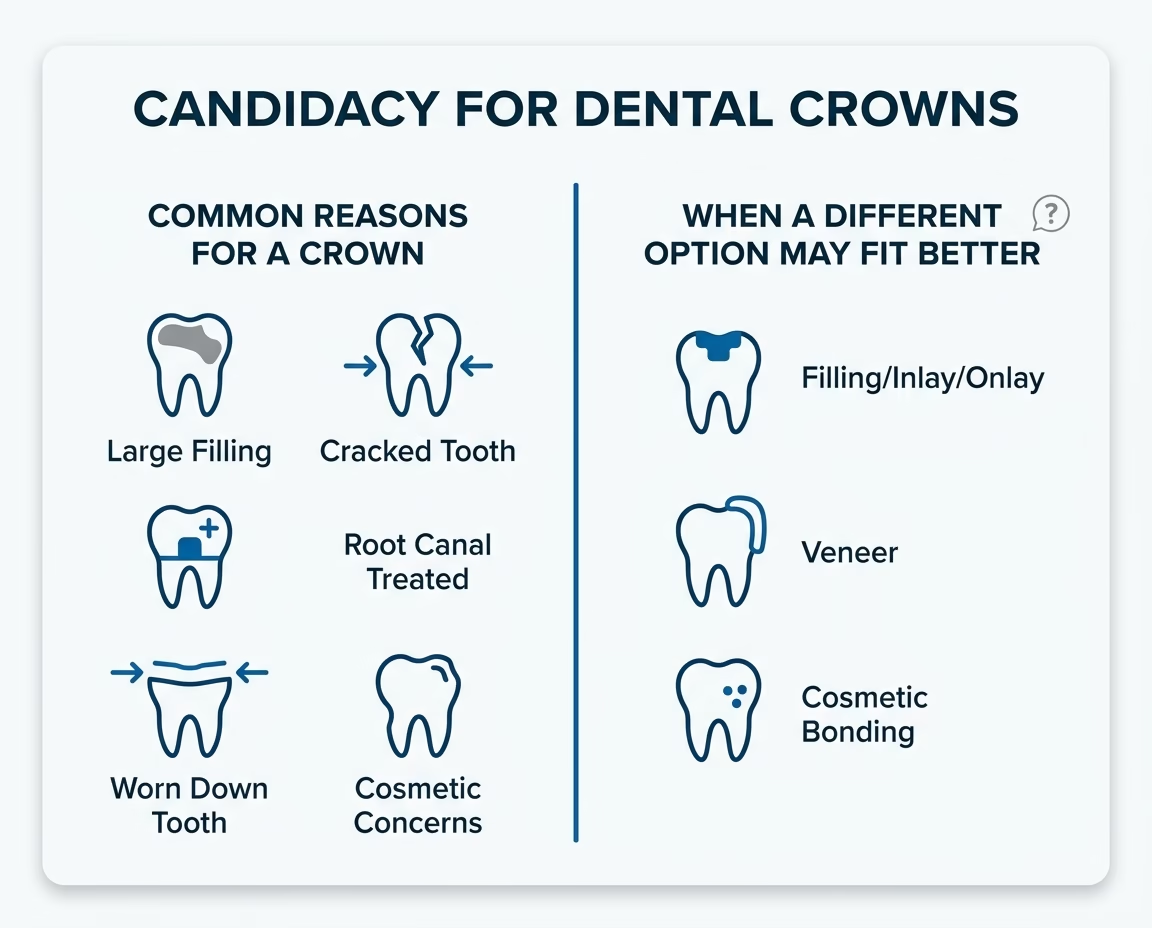
Not every chipped or sensitive tooth needs a crown, and a quick exam helps confirm the right plan. We look at the tooth’s remaining structure, the health of the surrounding gum tissue, your bite pattern, and whether there’s enough natural tooth left to hold a restoration in place. The goal is to pick a solution that fits your tooth and your daily habits, not just the most expensive option on the menu.
Common Reasons a Crown May Be Recommended
- A large filling that no longer supports the tooth well
- A cracked or fractured tooth that needs full coverage to stay together
- A tooth that has had root canal therapy and needs added protection
- A tooth worn down from grinding, clenching, or years of normal use
- Cosmetic concerns where shape, size, or shade matters to you
When a Different Option May Fit Better
Sometimes a filling, inlay, onlay, or veneer is enough to do the job. If the damage is small or limited to the front surface of a tooth, cosmetic bonding may be a simpler and more conservative choice. We’ll talk through the trade-offs of each option, including longevity and appearance, so you feel confident about the path you pick. To explore other smile-focused options, visit our cosmetic dentistry services page.

What is a Porcelain Crown?
A crown is a “cap” that fits over the entire tooth. It’s shaped and shaded to match your bite and your surrounding teeth.
Porcelain is a type of ceramic. In everyday conversation, people often use the terms interchangeably. What matters most is how the material performs for your tooth location and bite forces.
What Problems Can a Crown Solve?
Crowns can address both function and appearance, depending on why you need one.
Strength and Protection
A crown can help hold a weakened tooth together and reduce the chance of further breakage from normal chewing forces.
Appearance (Including Front Teeth)
Tooth-colored materials can be selected to blend with nearby teeth. For front teeth, shape and shade planning are often the biggest focus.
For more about the practice, visit Elegant Edge Dentistry.
Choose the Best Crown Material for Your Tooth
Most patients are choosing between tooth-colored ceramics and other options designed for higher bite forces.
| Material Option | Why Do People Choose It | Tradeoffs to Know |
|---|---|---|
| Porcelain/ceramic | Natural-looking, tooth-colored | Some cases may be more prone to chipping depending on bite forces |
| Zirconia | Often chosen for strength needs | Aesthetics can vary by case and material choice |
| PFM (porcelain-fused-to-metal) | Combines a metal core with a tooth-colored outer layer | Can have aesthetic limitations at the gumline in some cases |
How Does Our Process Work for a Porcelain Crown?
The exact steps depend on your tooth, but many cases follow a familiar pattern.
Visit 1: Exam + Preparation + Scan/impression
- Your dentist confirms a crown is the right solution for the problem.
- The tooth is shaped so the crown can fit properly.
- A scan or impression is taken to create the custom crown.
Visit 2: Final Fit + Bite Check + Cement
- The temporary is removed (if you had one).
- The crown is tried in, checked for fit, and adjusted so your bite feels natural.
- The crown is secured once everything checks out.
Can Crowns Be Done in One Visit?
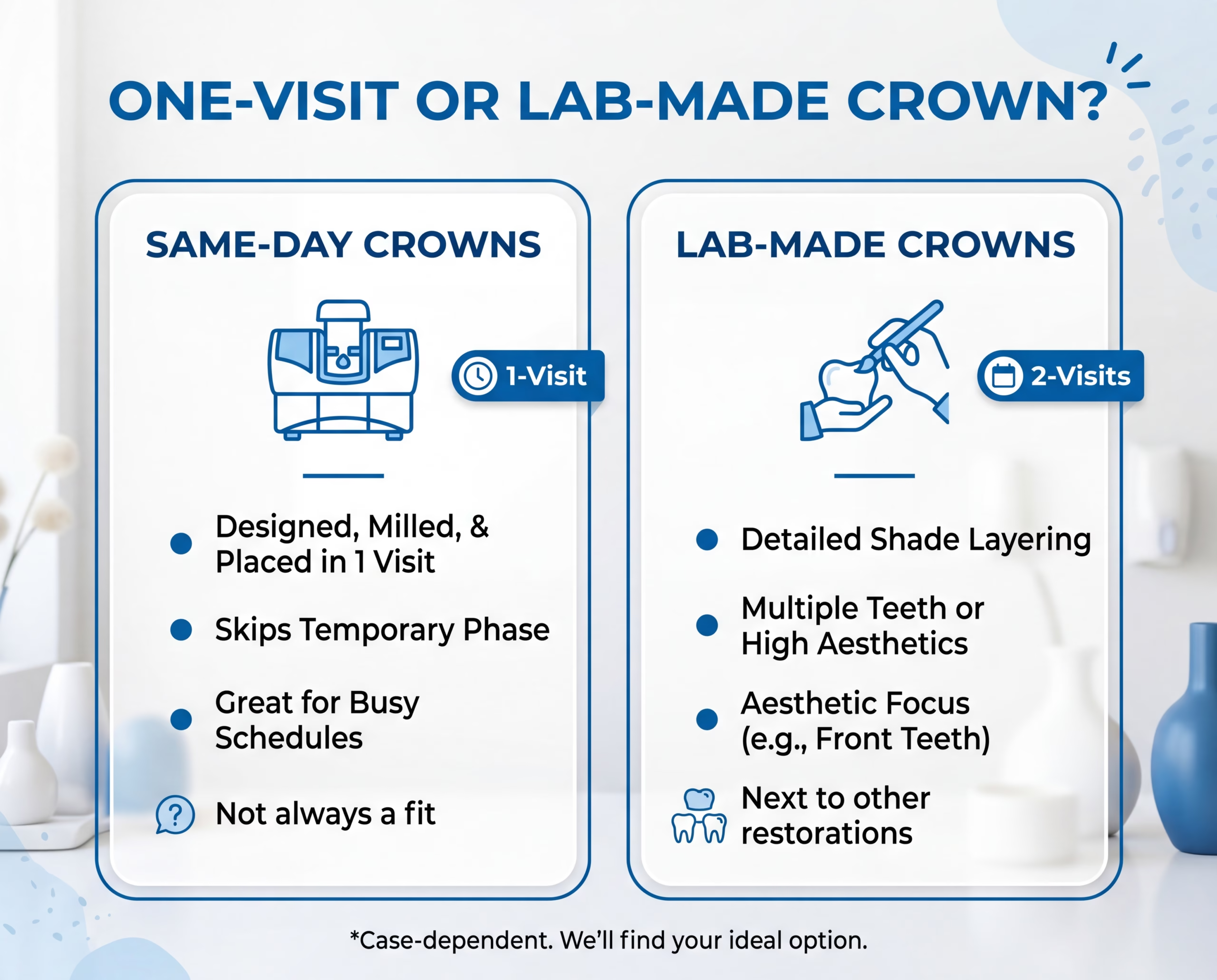
A lot of patients ask whether their crown can be finished in one appointment. The answer depends on your tooth, the material you choose, and a few practical details about your case. We’ll let you know upfront what’s realistic so you can plan your time.
What “Same-day” Crowns Mean
With chairside technology, certain crowns can be designed, milled, and placed in a single visit. This option can skip the temporary phase and the second trip back, which is helpful for busy schedules. Not every case is a fit, but it’s worth asking about during your consultation.
When a Lab-made Crown May Be a Better Fit
Lab-made crowns are often the right call when a case calls for detailed shade layering, multiple teeth, or specific aesthetic goals. The extra time gives the lab room to fine-tune the look, which can really matter for front teeth or cases where the crown sits next to other restorations.
What to Know About Front-tooth Crowns
Front-tooth crowns get extra attention because they sit in your smile line. Small details like translucency, shape, and the way light reflects off the surface all play a role in how natural the final result looks.
Shade Matching and Symmetry
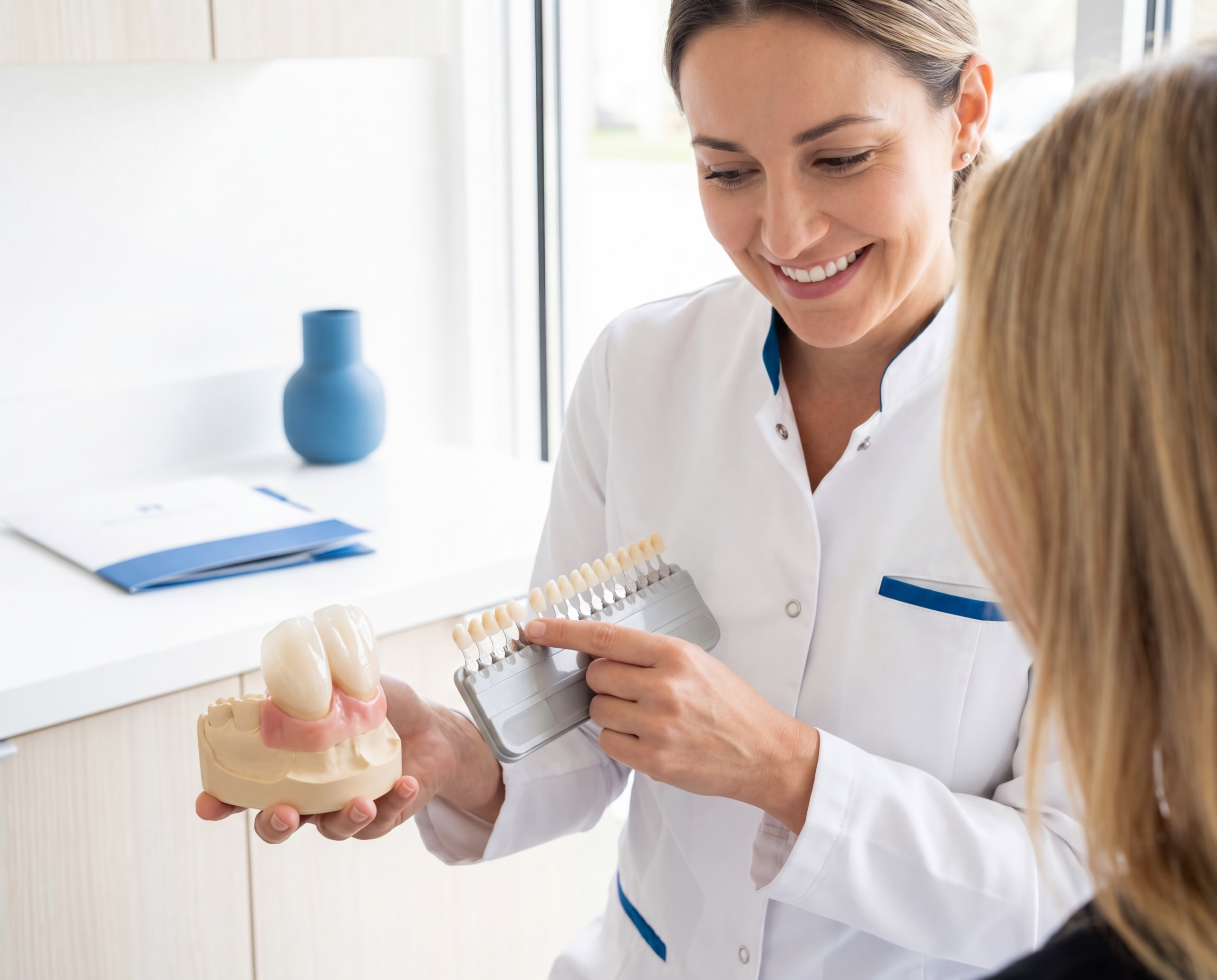
Shade matching is part science, part art. We compare the new crown to neighboring teeth in natural light, and we balance the shape so your smile stays even on both sides. If you’re whitening your other teeth, we usually recommend doing that first so the crown can be matched to your final shade.
Gumline Considerations
How the crown meets your gumline affects both appearance and long-term health. A well-fitted edge sits flush against the tooth and gum, which keeps the area easy to clean and helps prevent irritation over time.
How Long Can a Crown Last?
Longevity depends less on a single “number” and more on conditions around the tooth.

Grinding/clenching

Chewing Habits (Ice, Very Hard Foods)

Oral Hygiene and Regular Dental Checkups

Fit and Bite Balance After Placement
What Affects the Cost and Insurance Coverage?
Crown pricing isn’t one-size-fits-all. A handful of factors influence the final estimate, and we’re happy to walk through each one with you before treatment starts.
Common Cost Drivers
- The material you and your dentist choose for the crown
- Whether the tooth needs added support, like a buildup or post
- Whether the case involves a front tooth that needs detailed shade work
- The lab and technology used to fabricate the crown
Insurance and Financing
Coverage varies plan by plan, so we recommend checking with your provider before treatment. Many dental plans cover a portion of crown costs when the tooth needs one for functional reasons. Financing options like CareCredit are also available if you’d prefer to spread payments over time. Our team can help you understand what your plan covers and what your out-of-pocket portion may look like.
How to Care for Your Crown Day-to-Day
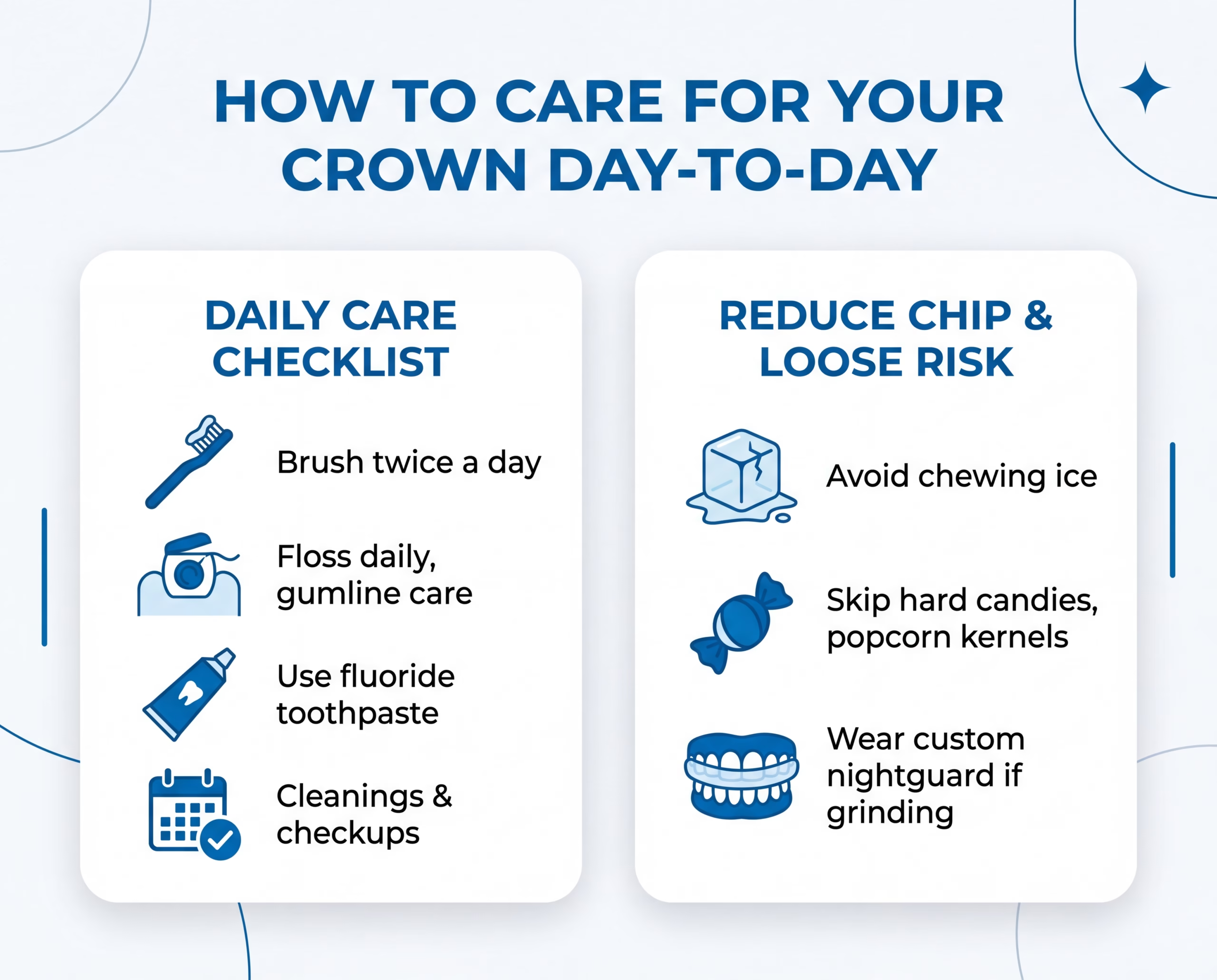
A crown is built to be durable, but it still benefits from the same kind of attention you’d give a natural tooth. A few consistent habits go a long way toward keeping it comfortable and looking good.
Daily Care Checklist
- Brush twice a day with a soft-bristle toothbrush
- Floss daily, paying close attention to the area along the gumline
- Use a fluoride toothpaste to protect the natural tooth underneath
- Keep up with cleanings and checkups so we can monitor the fit and the surrounding tissue
Food Habits That Reduce Chip or Loose-crown Risk
Try to avoid chewing ice, hard candy, and popcorn kernels on the side with your crown. If you tend to grind your teeth at night, a custom nightguard can lower the pressure your crown takes while you sleep and help it last longer.
FAQs
How Do I Choose a Dentist for a Crown Near Me?
Look for a practice that explains the available material options, outlines the steps clearly, and reviews the expected trade-offs before you start. You should feel comfortable asking questions and understand the plan.
What Affects the Cost of a Crown?
Cost depends on the tooth’s condition, the material selected, the complexity of the preparation, and whether additional work is needed to support the crown. Insurance coverage can also vary.
Do Crowns Look Natural on Front Teeth?
They can, especially when shade, shape, and symmetry are planned carefully. Your dentist will also check bite contacts so the crown doesn’t take more force than it should.
Is Porcelain the Same as Ceramic?
Porcelain is a type of ceramic. Dentists may recommend different ceramics depending on where the tooth sits and the amount of bite force it takes.
How Long Does the Crown Process Take?
Many crowns are completed in two visits: preparation first, then final placement. Some offices offer one-visit crowns for certain situations. Your dentist can explain which timeline fits your tooth.
Does Getting a Crown Hurt?
Treatment is typically done with local anesthesia so you stay comfortable during the procedure. Some people notice temporary sensitivity afterward; experiences vary.
What Should I Avoid With a Temporary Crown?
Avoid very sticky or very hard foods on that side when possible. Brush gently and floss carefully; slide the floss out rather than snapping it up.
Can a Damaged Crown Be Repaired?
Small chips may sometimes be smoothed or repaired, depending on location and size. If the crown no longer fits properly or the underlying tooth is affected, replacement may be recommended.
Can I Get a Crown for a Front Tooth?
Yes. Front-tooth crowns often focus on aesthetics and precise shade matching, along with careful bite checks.
When Should I Call the Dentist After a Crown is Placed?
Call if you have worsening pain, a bite that feels noticeably high, a loose crown, swelling, or sensitivity that doesn’t improve.
Next Steps
If you think a crown may be the right move for your tooth, the easiest next step is a short consultation. We’ll take a look, talk through your options, and answer any questions before any treatment begins. There’s no pressure to commit on the spot.
Call us at (248) 720-5387 or start with the contact form. Our team welcomes patients of all ages and offers flexible scheduling, including evening appointments, to fit into busy weeks.