
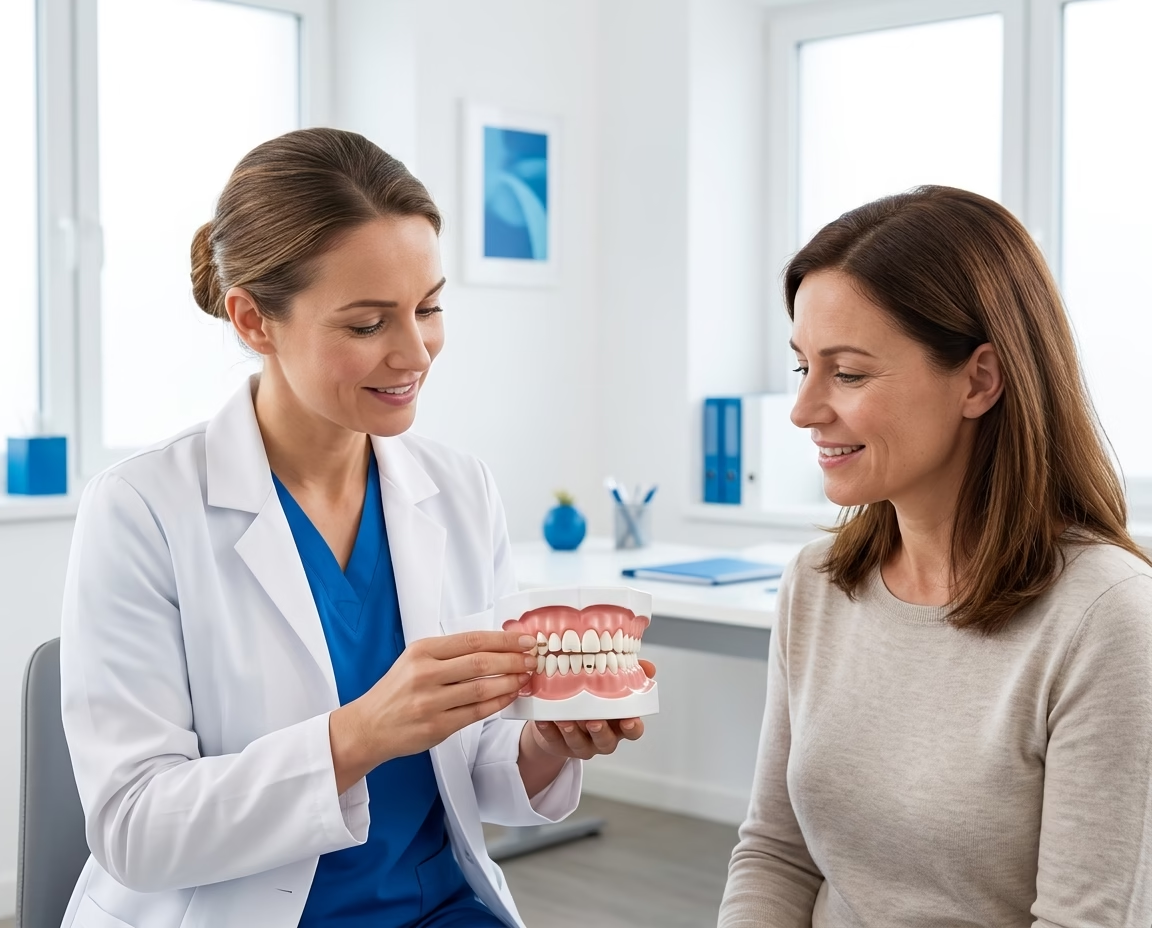
What Our Cosmetic Dental Bonding Service Does?
Bonding is usually chosen when you want a visible improvement without major tooth reduction. It can help with:
- Small chips on front teeth
- Slightly uneven or worn edges
- Small spaces between teeth
- Minor shape issues (a tooth looks too short or uneven)
- Some spots of discoloration that don’t respond well to whitening
If you’re exploring broader changes, you can also compare cosmetic dentistry options to see what else may fit your goal.

Is Cosmetic Bonding Right for You?
Cosmetic bonding works well for many people, but it isn’t the right answer for every smile concern. You may be a good candidate if your teeth and gums are healthy, your concerns are mostly cosmetic, and the changes you have in mind are on the smaller side—think a small chip, a slight gap, or a minor shape adjustment on a front tooth.
During your consultation at our Rochester Hills office, our team looks at a few things to help you decide:
- Overall oral health, including any active decay or gum concerns
- Your bite, whether grinding or clenching, plays a role
- The size, shape, and location of the area you want to improve
- Your goals for color, shape, and how long you’d like the result to last
- Daily habits, such as coffee, tea, or tobacco, may affect staining
If bonding isn’t the best fit, we’ll walk you through other paths. Larger structural concerns or heavier bite forces, for example, often do better with porcelain crowns or veneers. Our goal is to give you honest, personalized guidance so you can choose with confidence.
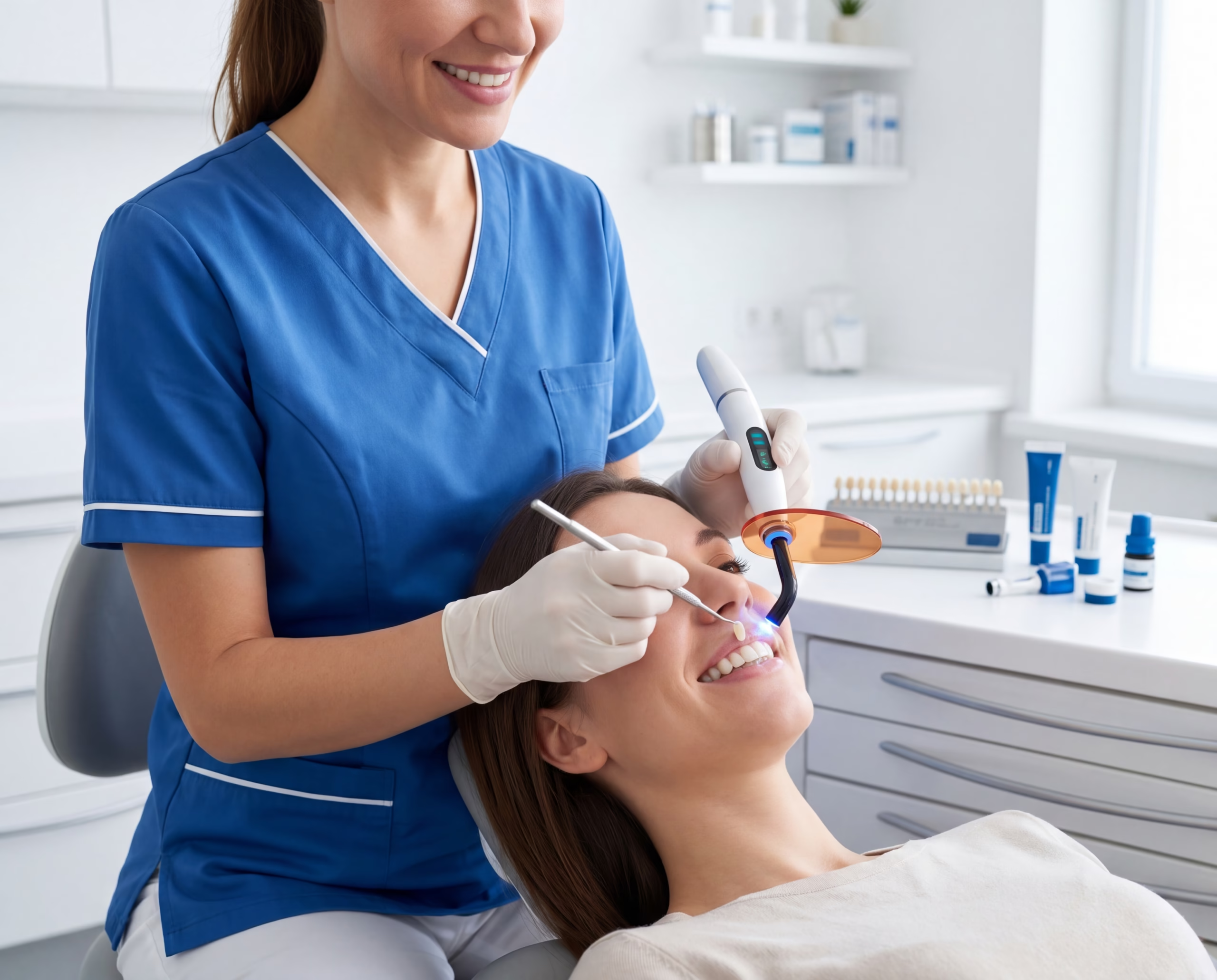
What is Dental Bonding Made of?
Bonding uses composite resin, a tooth-colored material that can be shaped in thin layers. Your dentist adjusts the color (shade matching) so the repair blends with the surrounding teeth.
To help the resin adhere, the tooth surface is prepared (often with a conditioning/etch step), then the resin is placed and hardened with a curing light. After that, it’s contoured and polished to feel smooth and look natural.
To discuss what’s possible for your specific smile, ask a question before you schedule.
What Happens During a Cosmetic Bonding Appointment?
Most patients leave the same day with a noticeable improvement and no major recovery to plan around. If you have dental anxiety, let us know in advance—our team is happy to talk through extra comfort options before your visit.
Most bonding visits are straightforward and can often be completed in a single appointment. Here’s a general idea of what to expect when you come in to see our team:
Consultation and Shade Match
We talk through your goals, examine the tooth, and select a composite shade that blends with your natural enamel.
Surface Preparation
The tooth is gently cleaned and conditioned so the resin can attach securely. In many cases, little to no drilling is needed.
Resin Placement
Composite is applied in thin layers and shaped to match the surrounding tooth structure.
Curing
A special light hardens the resin so it bonds firmly to the tooth.
Shaping and Polishing
Once cured, we refine the shape, smooth the edges, and polish the surface for a natural finish.

How Long Does Cosmetic Bonding Last?
The lifespan of bonding depends on several things you can influence and a few you can’t. With reasonable care, bonded teeth often look good for several years, sometimes up to a decade. Wear and staining usually show first on edges that take the most pressure or come into frequent contact with darker foods and drinks.
Daily habits that help bonding last longer include:
- Brushing twice a day and flossing daily
- Limiting coffee, tea, red wine, and tobacco
- Avoiding biting hard objects like ice, pens, or fingernails
- Wearing a night guard if you grind or clench
- Keeping up with regular cleanings and checkups at your dental home
If a small chip or rough edge develops over time, we can often repair or refresh bonding in a single visit rather than replacing it entirely.
What Does Cosmetic Bonding Cost?
Bonding cost varies based on the number of teeth, the size of the repair, and whether anything needs to be addressed first (like decay or bite adjustments). The most accurate way to understand cost is an exam and a written estimate tailored to your goals.
If you want a personalized estimate, you can get a personalized estimate after an evaluation.
How to Care for Your Bonded Teeth
Bonded teeth don’t need any special equipment to maintain. Treat them the way you’d treat your natural teeth, with a few small adjustments. Use a soft-bristled brush and a non-abrasive toothpaste to keep the surface smooth, and try to rinse with water after drinks that tend to stain, such as coffee, tea, or red wine.
It also helps to schedule regular cleanings so we can polish the bonding and check the edges for early signs of wear. If you notice a rough spot, a small chip, or anything that feels different when you bite, give us a call; small touch-ups are usually quick and simple when caught early.
Cosmetic Bonding vs. Other Cosmetic Options
If you’re weighing different ways to improve your smile, it helps to see how bonding compares with other common cosmetic treatments at a glance:
| Option | Best for | Typical Lifespan | Tooth Reduction |
|---|---|---|---|
| Cosmetic Bonding | Small chips, gaps, and shape touch-ups | About 3–10 years | Little to none |
| Porcelain Veneers | Multiple front teeth, larger changes | Often 10+ years | Light to moderate |
| Teeth Whitening | Surface and age-related discoloration | Months to a couple of years | None |
| Clear Aligners | Spacing and alignment of multiple teeth | Long-term, after retention | None |
The right path depends on what’s bothering you, your timeline, and your budget. Whitening and bonding can sometimes be paired; many patients whiten first and then bond, so the new resin can be matched to a brighter shade. We’re happy to walk through the trade-offs with you during a consultation so you can make a comfortable, informed choice.
Frequently Asked Questions on Cosmetic Bonding
How Long Does Cosmetic Bonding Usually Last?
Bonding commonly lasts several years. Many people see results in the range of about 3–10 years, depending on bite pressure, habits (like clenching or nail biting), and daily care. If bonding chips or stains, a dentist can often repair or refresh them.
Does Dental Bonding Hurt?
Many bonding visits involve little to no discomfort. Some situations may require numbing (for example, if bonding is used along with treating a cavity). You may notice mild sensitivity afterward, which often settles as you adjust to the new surface.
What Problems Can Bonding Fix?
Bonding is commonly used to repair small chips, smooth worn edges, close small gaps, improve minor shape irregularities, and cover certain discolorations. For larger structural problems or heavy bite forces, your dentist may recommend a different option.
Can Bonding Stain Over Time?
Composite resin can pick up stains over time, especially with frequent exposure to coffee, tea, red wine, or tobacco. Good brushing/flossing habits and regular cleanings help. Your dentist can also polish or refresh bonding if staining becomes noticeable.
Can I Whiten My Teeth After Bonding?
Bonding material does not whiten the same way natural enamel does. If you want a lighter overall shade, it’s often best to discuss whitening first, then match bonding to the updated tooth color.
How Long Does a Bonding Appointment Take?
Timing depends on how many teeth are treated and how much shaping is needed. Many bonding appointments take roughly 30–60 minutes per tooth, though your dentist can give a more specific estimate after an exam.
Is Bonding the Same as a Filling?
They use similar tooth-colored materials, but the goal can differ. Fillings are typically placed to treat decay. Cosmetic bonding focuses on improving appearance—like reshaping an edge or covering a small defect—when the tooth is otherwise healthy.
Is Bonding a Good Choice if I Grind or Clench My Teeth?
Grinding and clenching can shorten the life of the bonding, especially on edges that take heavy force. Bonding may still be possible in some cases, but it’s important to discuss bite forces and whether a protective night guard is appropriate.
How Much Does Cosmetic Bonding Cost?
Cost varies based on the number of teeth, the size of the repair, and whether any underlying issues need treatment first. The most accurate way to understand cost is to get an exam and a written estimate tailored to your goals.