
Key Takeaways
- TMJ disorder affects the jaw joint and surrounding muscles, producing symptoms like jaw pain, clicking, headaches, and ear discomfort that are often blamed on unrelated causes.
- Soft-tissue laser therapy and biostimulation are non-invasive tools that target inflammation and support tissue repair without surgery or pharmaceuticals.
- Treatment plans are fully personalized based on cause, symptom pattern, bruxism history, and bite alignment. No single template fits every patient.
- Early evaluation prevents progression. Untreated TMJ can become chronic and cause lasting joint damage that is harder to reverse later.
- Elegant Edge serves Rochester Hills, Troy, Auburn Hills, Bloomfield Hills, Sterling Heights, and Pontiac with evening hours for working patients.
Early evaluation matters. The sooner the joint is addressed, the better the long-term outcome. Schedule your consultation or call (248) 852-3130 to get started.
Common Signs and Symptoms of TMJ
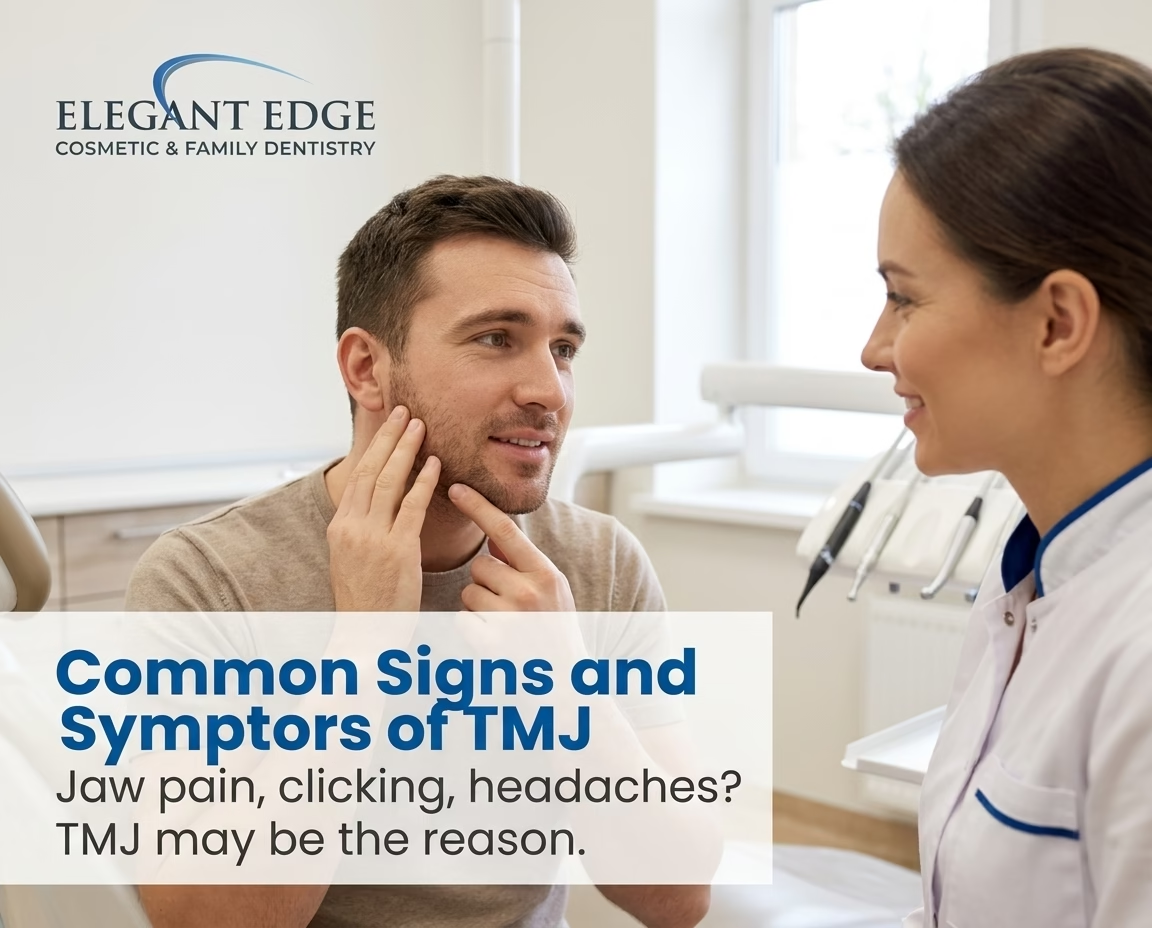
TMJ shows up in ways you would not always connect to the jaw. The most common signs include:
- Persistent jaw pain, stiffness, or fatigue
- Clicking, popping, or grinding when you open or close your mouth
- Difficulty opening the jaw or a jaw that feels stuck
- Headaches or migraines, especially first thing in the morning
- Ear pain, pressure, or ringing (tinnitus)
- Neck and shoulder tension with no clear cause
- Facial soreness by the end of the day
- Teeth grinding or clenching, day or night (bruxism)
A lot of patients are surprised to learn their tinnitus or recurring morning headaches trace back to a joint issue. That crossover is a big part of why TMD stays under the radar for so long. If two or more of these sound familiar, an evaluation at Elegant Edge is a good first step.
What Is TMJ Disorder (TMD)?
The temporomandibular joint is the hinge that connects your lower jaw to the base of your skull. You have one on each side, and you rely on it every time you speak, chew, yawn, or swallow. When that joint or the muscles around it stop working smoothly, the result is a group of conditions dentists call temporomandibular disorder, or TMD for short.
TMD is not a single diagnosis. It is an umbrella term that covers joint inflammation, muscle strain, disc displacement, and similar issues that affect how the jaw moves. Symptoms vary widely from person to person, which is one reason the condition gets misattributed to tension headaches, sinus pressure, or plain old stress for so long.

What Causes TMJ Disorder?
TMJ rarely has one clean cause. Most patients arrive with a combination of factors layered on top of each other. Common contributors include:
- Bruxism, meaning clenching or grinding teeth, often during sleep
- Ongoing stress that keeps the jaw muscles chronically tight
- A previous jaw injury or impact trauma
- Arthritis or wear-and-tear inside the joint itself
- Bite misalignment that puts an uneven load on the TMJ
- Disc erosion or displacement within the joint
Because the causes overlap, pinpointing the main driver takes a proper in-person evaluation. That is why we start every TMJ case with a detailed history and clinical exam before any therapy begins. Guessing at the cause rarely fixes the problem long-term.
TMJ Treatment Options at Elegant Edge
Jaw treatment is not one-size-fits-all. Your symptoms, your history, and the underlying cause all shape the plan we build. We start with the least invasive option that has a strong chance of working, then layer in additional tools only when needed.
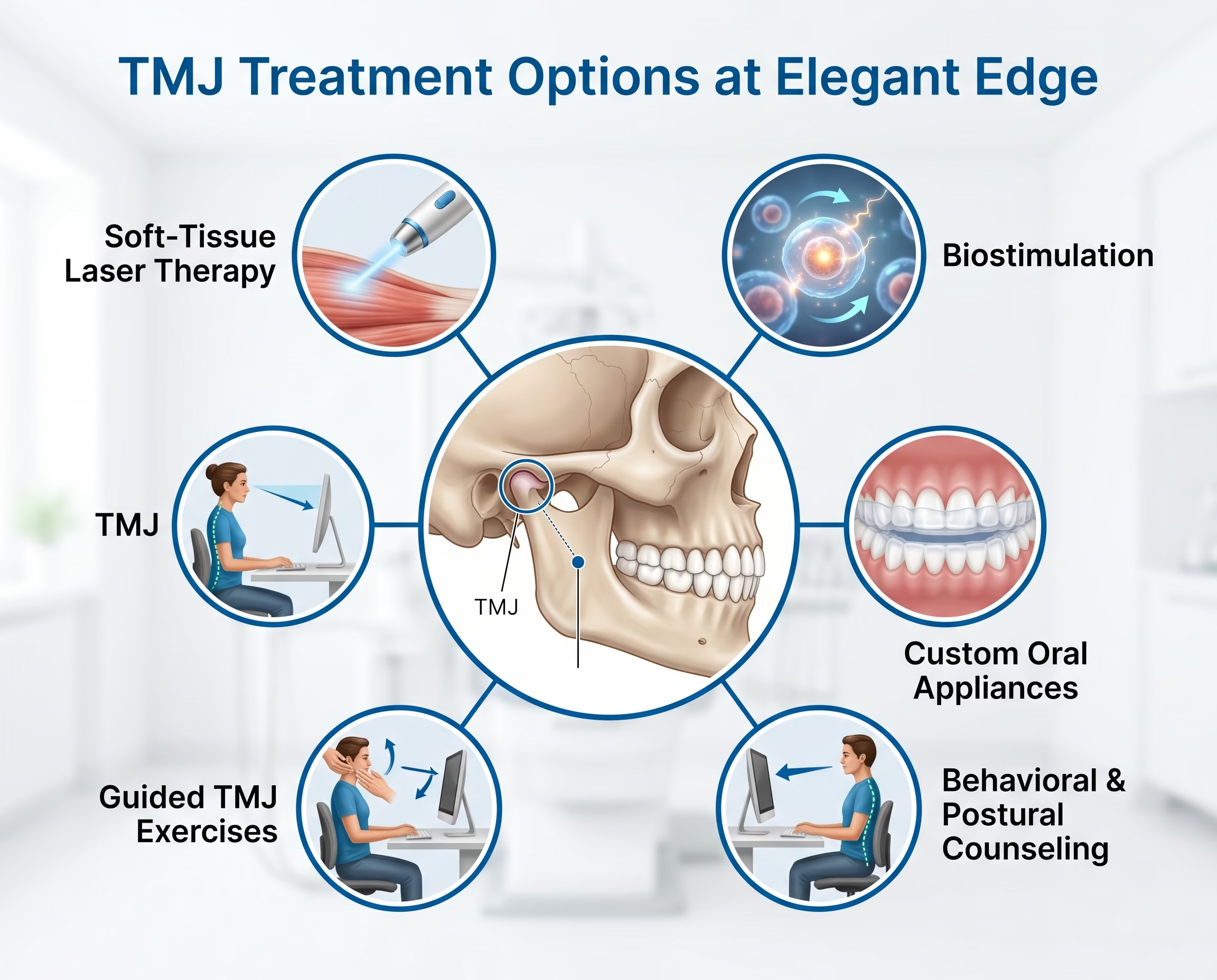
Your plan may include one or several of the following:
- Soft-tissue laser therapy to reduce inflammation and pain at the joint
- Biostimulation to support cellular healing in the surrounding muscle and tissue
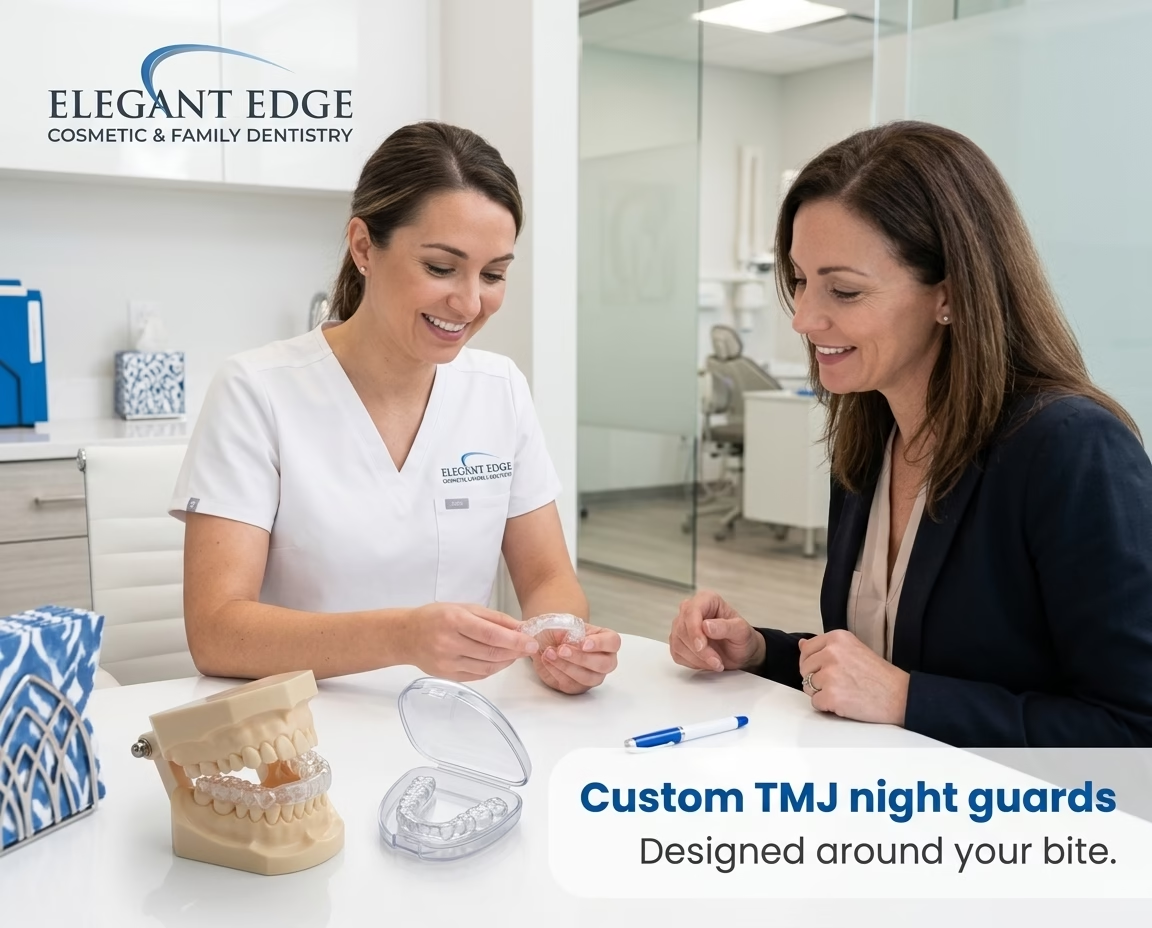
- Custom oral appliances or night guards to stop clenching and protect your natural teeth and any existing dental crowns from grinding damage
- Guided TMJ exercises to restore the normal range of motion
- Behavioral and postural counseling to address daytime triggers like screen posture
Surgery is not a starting point. Routine prescriptions are not either. For most patients, the right combination of in-office therapy and a few home-care habits produces measurable, lasting relief. The next two sections cover the signature therapies we rely on most.
Laser Therapy for TMJ: Targeted Relief Without Surgery
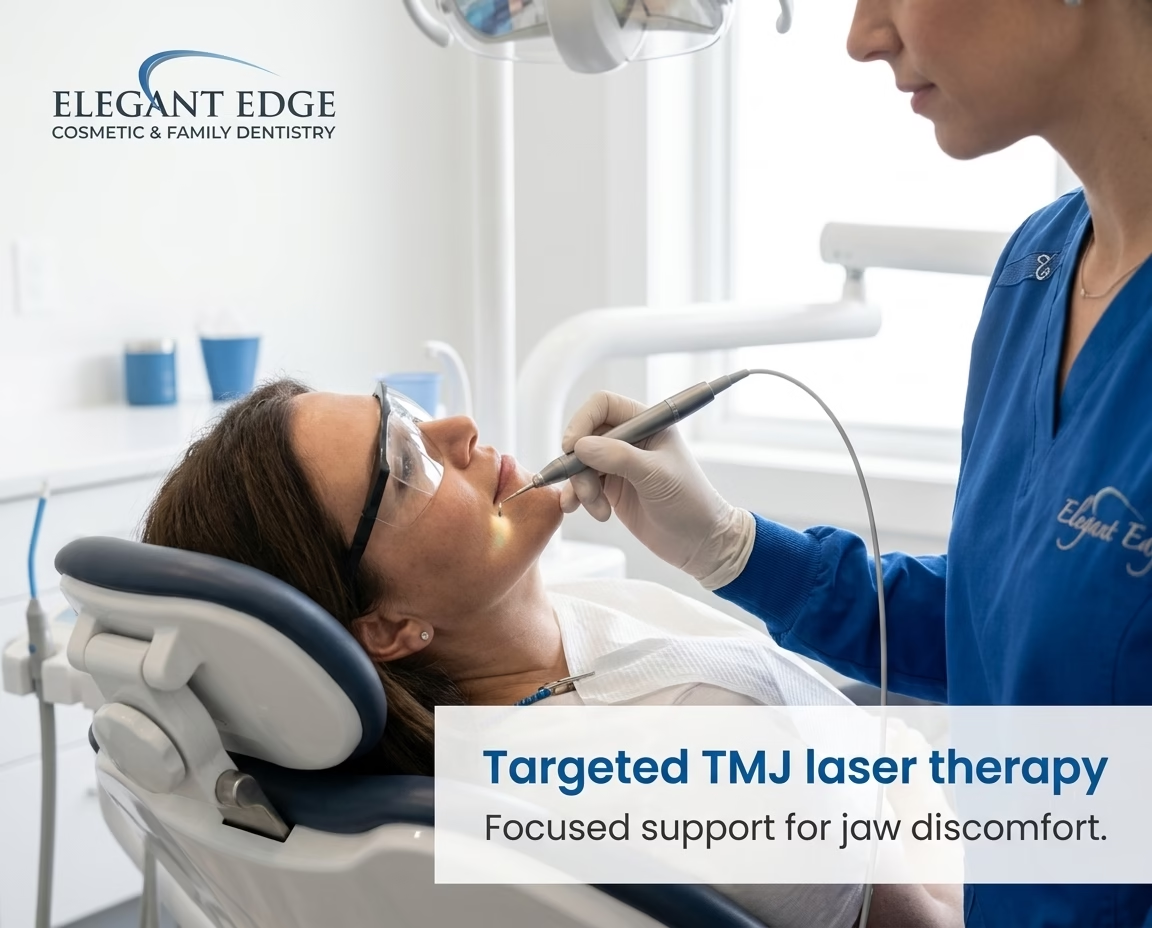
Soft-tissue laser therapy is one of the tools that sets TMJ care at Elegant Edge apart from a routine general dentistry visit. The laser emits a specific wavelength of light that penetrates the soft tissue in and around the temporomandibular joint. Once there, it reduces inflammation, stimulates blood flow, and promotes healing at the cellular level.
No incision. No anesthesia. No downtime.
What patients notice first:
- A reduction in acute pain and swelling, often within a few sessions
- Improved jaw movement and less morning tightness
- Appointments that are short, typically 10 to 20 minutes
- A comfortable, well-tolerated experience from the very first visit
- Easy pairing with other therapies in the same treatment plan
Laser therapy works on the actual source of discomfort, which means you are treating the cause rather than dampening a pain signal. Our investment in laser technology extends well beyond cosmetic dentistry care. It is a real therapeutic tool for joint conditions, and it is uncommon in general dental practices across Oakland County.
Why Rochester Hills and Oakland County Patients Choose Elegant Edge for TMJ Care
Patients across Rochester Hills, Troy, Auburn Hills, Bloomfield Hills, Sterling Heights, and Pontiac come to Elegant Edge Dentistry because our TMJ approach looks different from the standard playbook. Here is what stands out:
Laser and Biostimulation Technology
Are not generally offered in most practices do not offer for jaw conditions

Dr. Gregory Mansour’s Extensive Training
ACLS certification, and three decades of clinical practice in Oakland County
A Non-invasive-first Philosophy
So surgery and medication are last resorts, not defaults

Personalized Care Plans
Built around cause, symptom pattern, and lifestyle

Precision Diagnostics
Before any therapy begins, so treatment targets the right problem
Evening Appointment Hours
That fit working schedules without requiring time off
Comfort matters too. You are treated as a whole person with a complicated joint, not a problem to rush through. That tone of care shapes every visit, from the first consultation through the final adjustment.
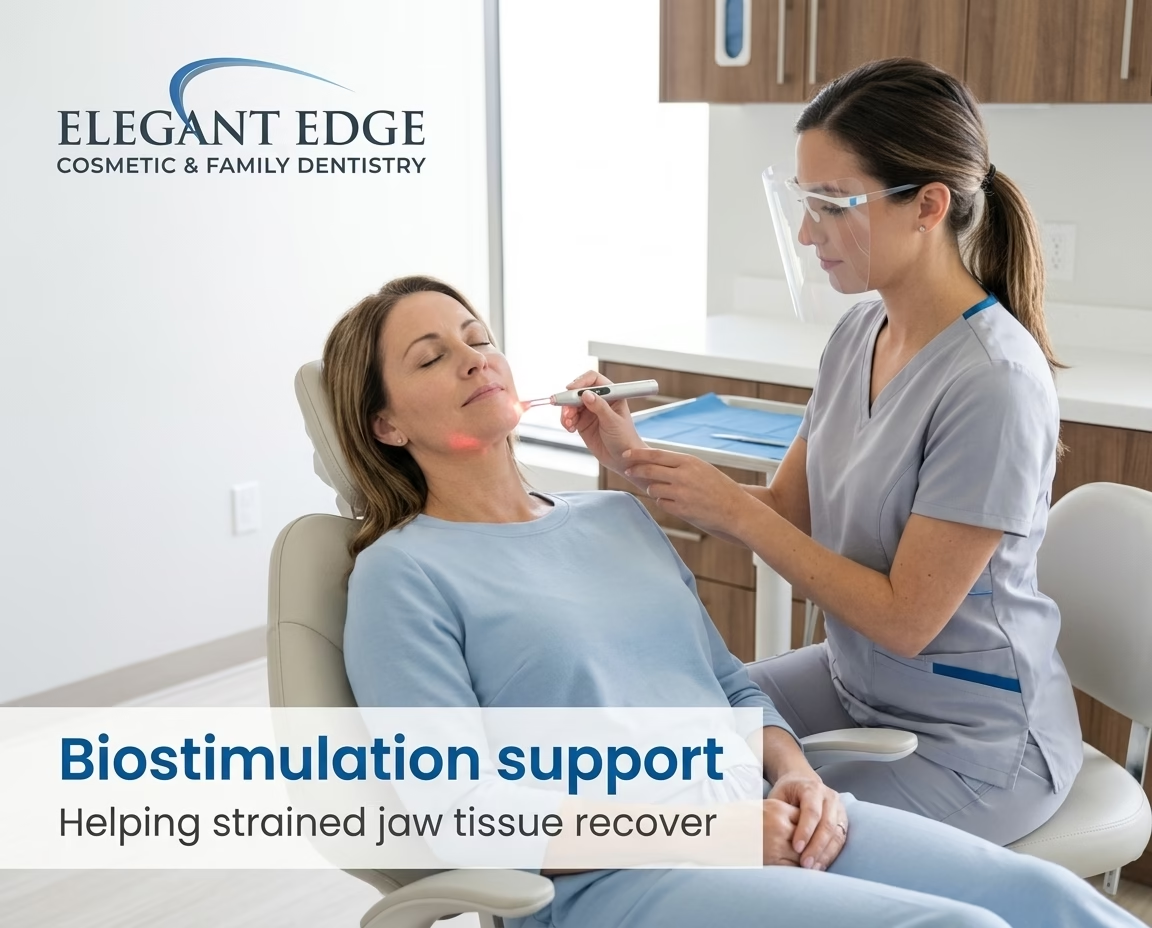
Biostimulation Therapy: Supporting Cellular Healing
Biostimulation uses low-level light energy to encourage the body’s own repair process. Unlike a surgical or pharmaceutical fix, this therapy helps inflamed or strained jaw muscles and joint tissues heal from the inside out.
It works well for:
- Acute flare-ups that came on recently
- Chronic TMJ pain that has been building for years
- Post-therapy recovery after guided exercises or manual work
There are no drugs involved, no needles, and no recovery window. Sessions are short and typically fit into a lunch break or the end of a workday.
Paired with a soft-tissue laser, biostimulation tackles TMJ from multiple angles at once. The laser calms surface inflammation, and biostimulation supports deeper tissue repair. This combination is unusual outside of specialty clinics, and it is one reason patients travel across Oakland County for care with us. We use similar precision-light technology in our sleep apnea therapy program when muscle tension plays a role there too.
Why Treating TMJ Early Matters
Ignoring TMJ is a losing strategy. Left alone, these conditions tend to get louder, not quieter. Possible consequences of delay include:
- Pain that progresses from occasional to near-constant
- Permanent changes to the joint, including disc damage
- Growing difficulty with daily functions like eating, speaking, and yawning
- Sleep disruption that compounds fatigue and clenching, which then feeds back into more jaw stress
Early intervention is not about scare tactics. It is simple math. A small, manageable problem treated with laser therapy and a night guard today is far easier than a chronic, altered joint five years from now. Think of it the same way you think of preventive cleanings: short-term effort, long-term payoff.
TMJ Treatment FAQs
How Do I Know if I Have Tmj Disorder?
A clear diagnosis requires a professional evaluation. Common red flags include jaw pain or stiffness, clicking or popping sounds, recurring morning headaches, ear pain without an infection, and noticeable clenching or grinding. If two or more of these sound familiar, it is worth getting evaluated. During your visit, we run a clinical exam, review your symptom history, check your bite, and rule out other causes before building a treatment plan.
Is Tmj Laser Therapy Painful?
No. Soft-tissue laser therapy is one of the most comfortable parts of TMJ treatment. Most patients feel only a mild warmth during the session and nothing afterward. There are no needles, no incisions, and no anesthesia involved. Sessions usually last between 10 and 20 minutes. Many patients describe the experience as relaxing rather than clinical.
How Many Treatment Sessions Will I Need?
Session counts depend on the severity and cause of your TMJ. Mild cases may respond within three to five sessions. More chronic or complex cases can require a longer course combined with an oral appliance and guided therapy. At your consultation, Dr. Mansour will give you a realistic estimate based on your exam. We reassess at every visit to make sure the plan still fits.
Can Tmj Disorder Go Away on Its Own?
Sometimes mild, short-term jaw soreness resolves once the underlying trigger resolves, like a stressful week or a minor bruise. Persistent or recurring TMJ symptoms rarely clear up without intervention, though. Without care, the joint can wear down further, and pain patterns can set in more permanently. If symptoms have lasted longer than a few weeks, evaluation is the safer path.
Do you use oral appliances for TMJ at Elegant Edge?
Yes. Custom oral appliances, often called night guards, are a core part of many TMJ plans, especially when bruxism is a factor. We take precise impressions and fabricate a device that fits your specific bite, protects your teeth from grinding wear, and positions the jaw into a more relaxed resting posture at night. For patients who clench during the day, we can discuss daytime options as well.
Does Insurance Cover TMJ Treatment?
Coverage varies widely between plans. Some medical and dental policies cover portions of TMJ diagnosis, imaging, oral appliances, and therapy, while others do not. Our team helps you verify benefits before treatment begins so you have a clear cost picture up front. Flexible payment options are available if coverage is limited. Call the office to review your specific plan.
Schedule Your TMJ Evaluation at Elegant Edge Today
Jaw pain, chronic headaches, and that constant click do not have to be part of your daily routine. Elegant Edge Dentistry gives Rochester Hills and every corner of Oakland County access to advanced, non-invasive TMJ care, including soft-tissue laser therapy, biostimulation, and custom oral appliances.
Real relief starts with a real evaluation. Call (248) 852-3130 today or schedule your consultation online.