
Key Takeaways
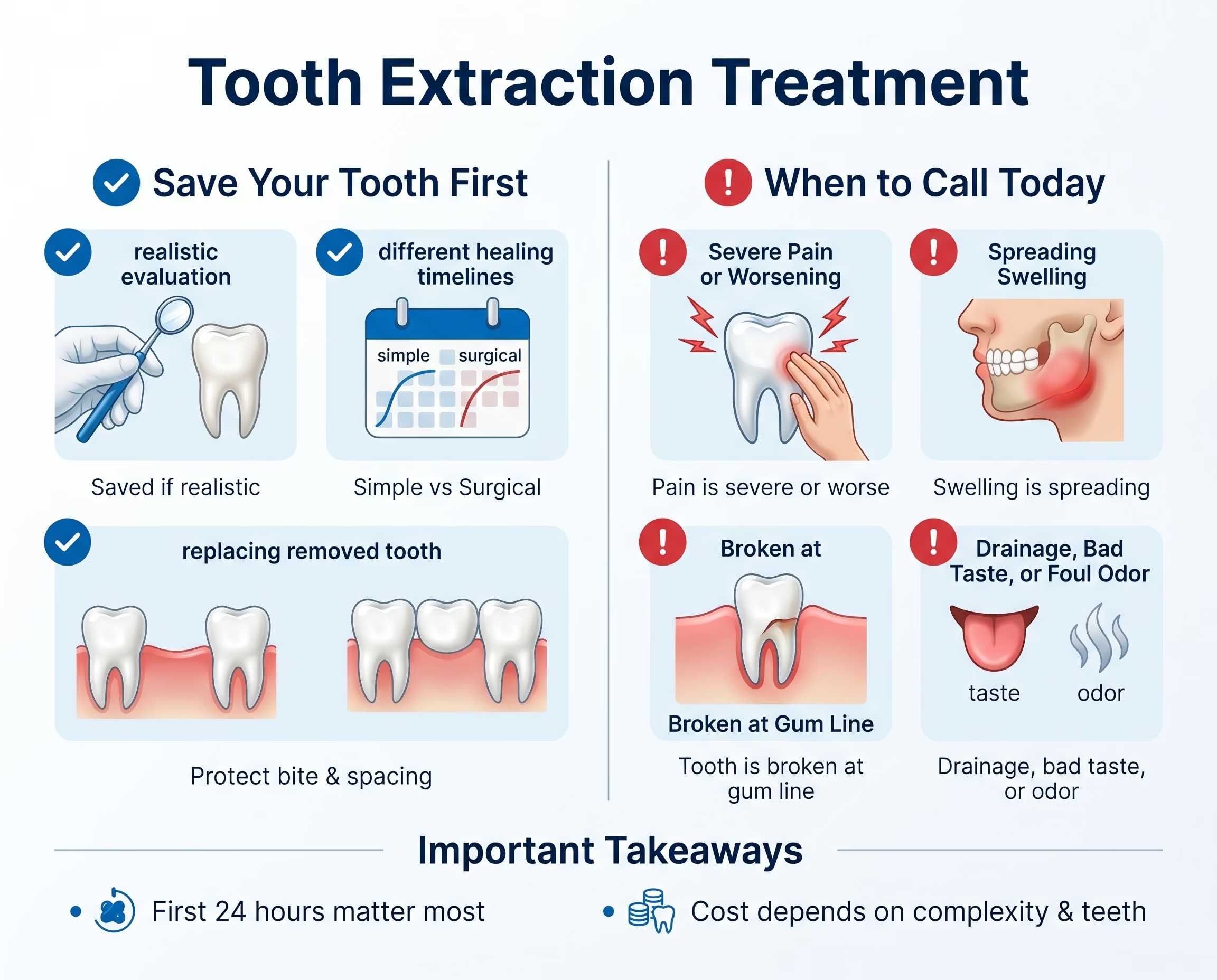
- Dentists usually try to save a tooth first when that is realistic.
- Simple and surgical extractions heal on different timelines.
- The first 24 hours matter most for clot protection and dry socket prevention.
- Cost depends on complexity, number of teeth, imaging, and follow-up needs.
- Replacing a removed tooth may help protect bite function and spacing.
Need help now?
Severe pain, swelling, drainage, a broken tooth, or dental trauma can justify a prompt exam. Call (248) 720-5387 or schedule an evaluation to discuss your next step.
When to call today
- Pain is severe or getting worse
- Swelling is spreading
- A tooth is broken at the gum line
- You notice drainage, bad taste, or foul odor
- Trauma has damaged the tooth or the surrounding area
When is a Tooth Extraction Treatment the Right Next Step?
This Page is Most Useful if You
- Have a badly damaged tooth
- Have swelling, infection, or severe pain
- Were told a tooth may need to come out
- Want to know what recovery and healing may look like
This Page May Not Fully Answer Your Situation
- You only need routine sensitivity care
- Your tooth may still be restored with a filling or crown
- You need a diagnosis for facial trauma or a larger emergency
Why a Tooth May Need to Be Removed
Common reasons include:
- Severe decay
- A fracture below the gum line
- An infection that is no longer manageable with simpler treatment
- Loss of support from advanced gum problems
- Crowding or other treatment-planning issues
- A tooth that is difficult to access or remove safely in one piece
A tooth may need to be removed when it is too damaged to restore or when keeping it creates bigger problems for your mouth.
When We Try to Save the Tooth Instead
Dentists generally prefer to save natural teeth when that is still realistic.
Depending on the case, the next step may be a filling, a crown, or another restorative plan instead of removal. That is why the exam matters first. The goal is not just to remove pain today, but to choose the safest long-term next step.
Why Some Cases Are More Complex
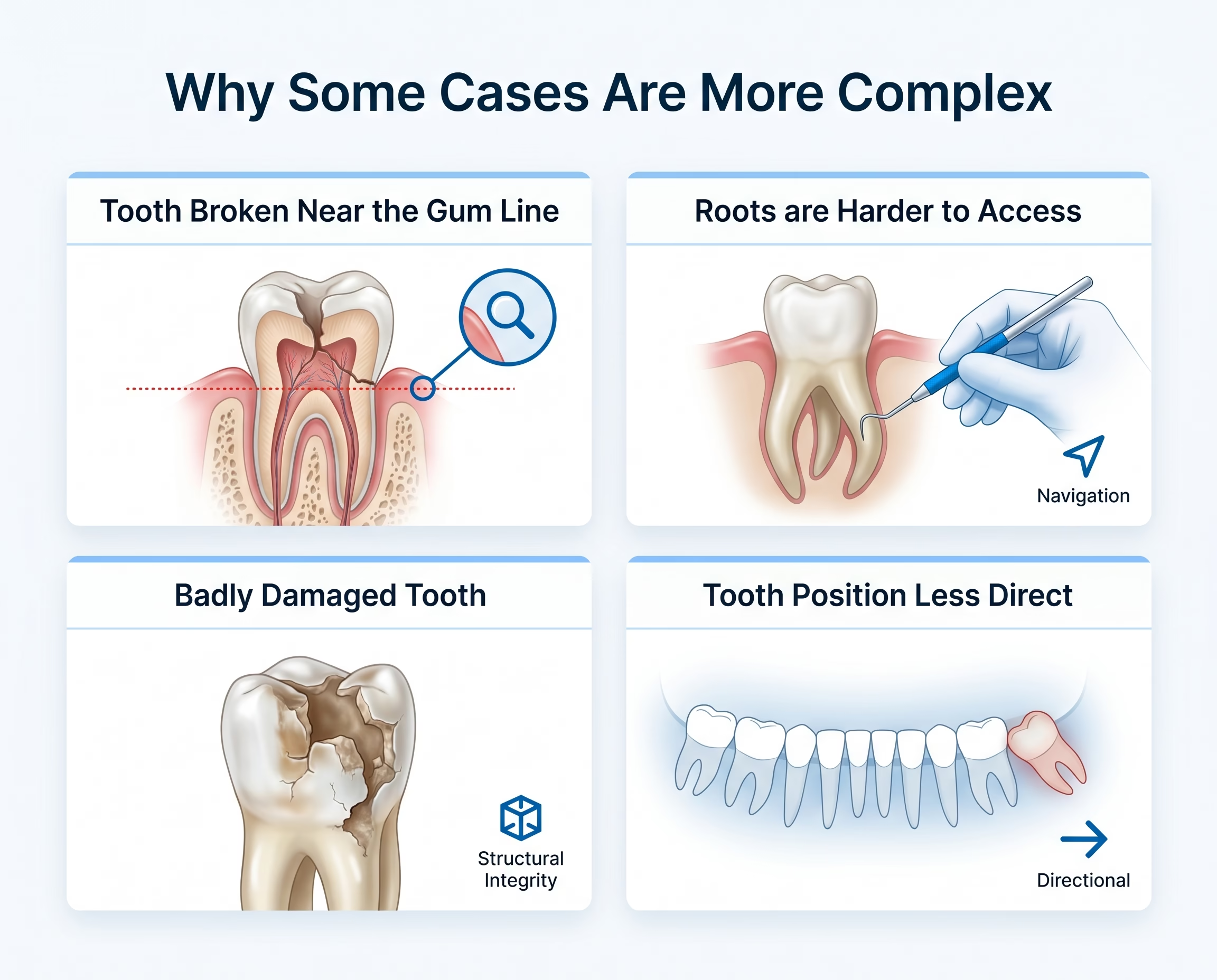
A case may be more complex when:
- The tooth has broken near the gum line
- The roots are harder to access
- The tooth is badly damaged
- The tooth position makes removal less direct
That does not always mean recovery will be difficult. It usually means the plan needs to be more precise.
What Happens at a Tooth Extraction Appointment?
Exam and X-rays
The first step is confirming what is happening with the tooth and the surrounding bone and gum tissue.
Your visit may include an exam, imaging review, and a conversation about symptoms, medical history, and any medications you take.
Numbing and Comfort Planning
The area is typically numbed with local anesthesia so the tooth can be treated without sharp pain.
You may still feel pressure. If you are anxious about treatment, ask what comfort options are appropriate for your case.
Removing the Tooth
If the tooth is visible and easy to reach, it may be removed with a simpler approach.
If it is broken, hard to access, or more complex, the removal may be more surgical in nature. Your dentist should explain that difference before treatment starts.
Aftercare and Your Next Steps
Before you leave, you should know:
- How to protect the blood clot
- What to eat and avoid
- When to clean the area
- What warning signs should prompt a call
- Whether you should discuss replacement options later
What is the difference between a simple and surgical extraction?
| Type | When It is Used | What to Expect |
|---|---|---|
| Simple extraction | The tooth is visible and easier to access | The tooth is loosened and removed with standard instruments |
| Surgical extraction | The tooth is broken, difficult to reach, or not fully available above the gum line | The procedure may involve a small incision or separating the tooth into sections |
How Long Does Healing Usually Take?
A Practical Timeline
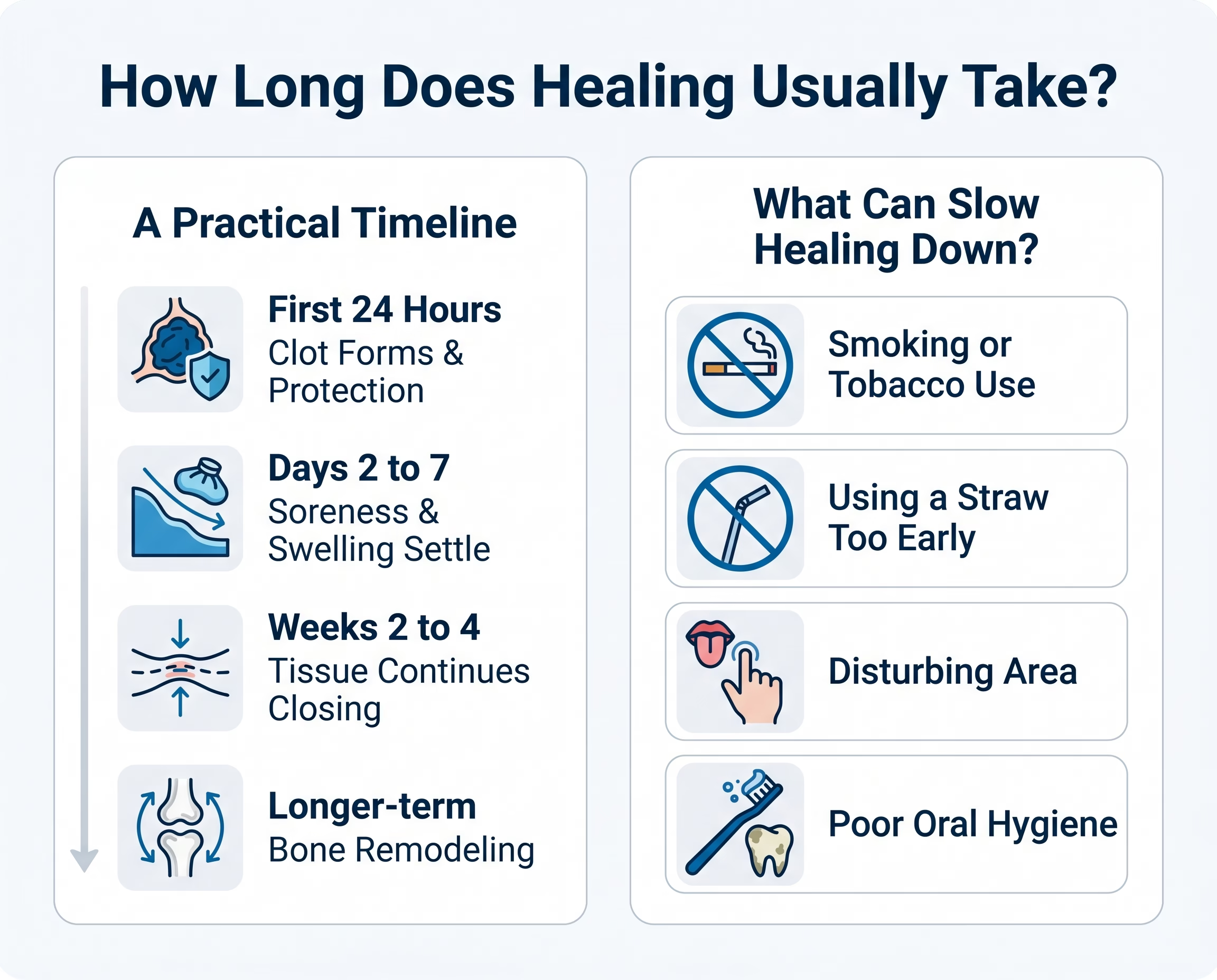
Healing does not move at the same pace for every person, but many people think about it in phases:
- First 24 hours: clot forms and the site stays protected
- Days 2 to 7: soreness and swelling often begin to settle
- Weeks 2 to 4: soft tissue continues closing
- Longer-term healing: the socket and bone keep remodeling over time
A more complex removal may take longer than a simple extraction.
What Can Slow Healing Down?
A few things can make healing less smooth:
- Smoking or tobacco use
- Using a straw too early
- Disturbing the area with your tongue or food
- Poor oral hygiene around the site
- Certain medical conditions or medications
- A more difficult extraction
What Should You Do in the First Week After an Extraction?
First 24 Hours
Focus on:
- Biting on gauze exactly as instructed
- Resting and taking it easy
- Drinking fluids carefully
- Eating soft foods if you are ready
- Avoiding straws
- Avoiding smoking
- Avoiding forceful rinsing or spitting
This is the most important window for protecting the clot.
Days 2 to 7
Helpful habits usually include:
- Soft foods and good hydration
- Careful cleaning around the area
- Gentle rinsing only when you have been told it is safe
- Taking medication exactly as directed
- Avoiding habits that irritate the site
Once the first day passes, the goal shifts from clot protection to gentle healing.
When Should You Call the Office?
- Pain is stronger instead of easing
- Bleeding is not slowing down
- Swelling is increasing
- You have a fever, drainage, bad taste, or foul odor
- You think the clot may have come loose
What Affects the Cost of a Tooth Extraction?
What May Change the Fee?
There is no single flat answer without an exam.
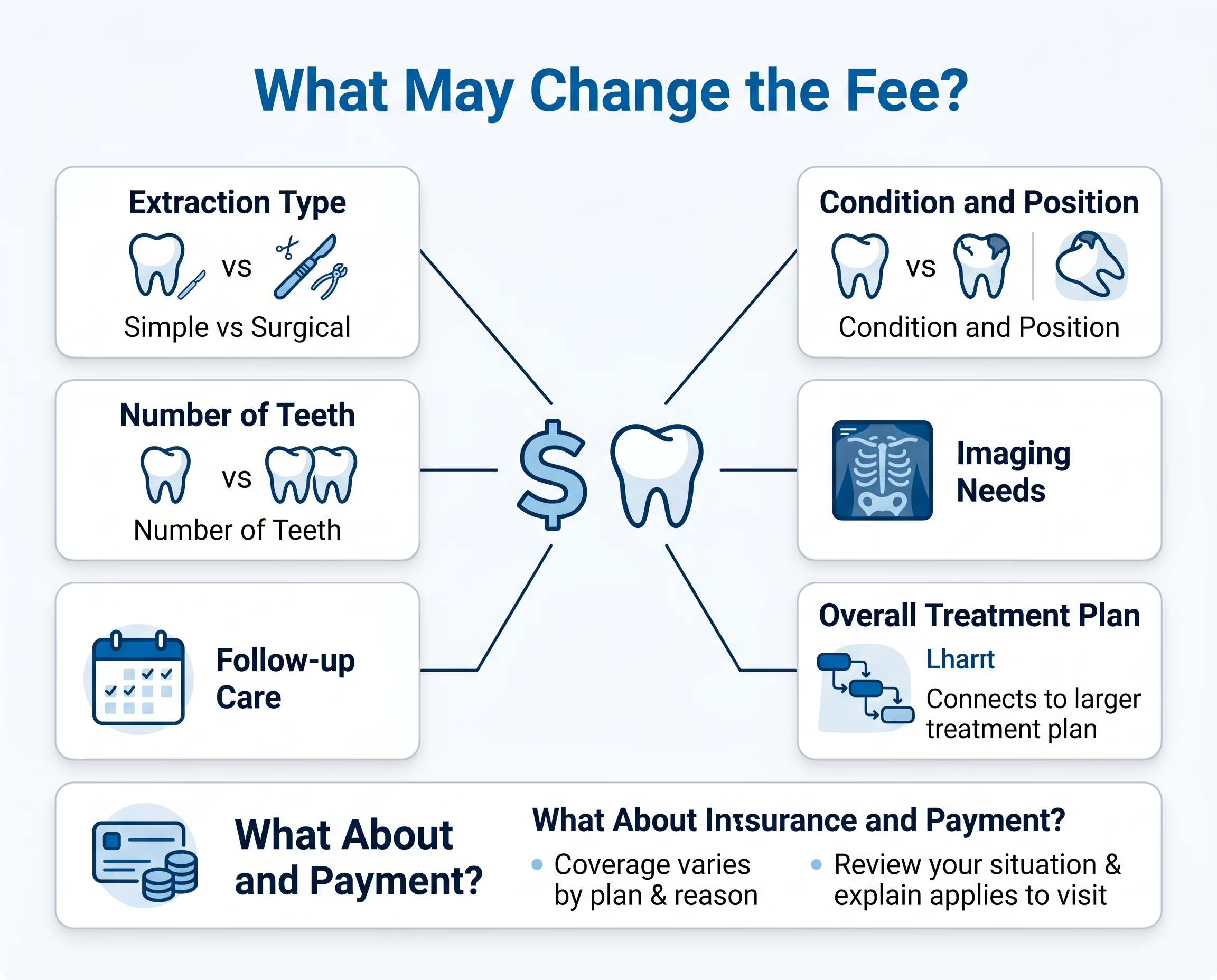
Cost may be affected by:
- Whether the extraction is simple or surgical
- The condition and position of the tooth
- How many teeth need treatment
- Imaging needs
- The amount of follow-up care needed
- Whether the case connects to a larger treatment plan
What About Insurance and Payment?
Insurance coverage can vary by plan and by the reason treatment is needed.
The most practical next step is to have the office review your situation and explain what applies to your visit. Call (248) 720-5387 or contact our office for the next available evaluation.
What Happens After the Tooth is Removed?
Why Replacement Can Matter
Not every missing tooth creates the same issue, but leaving a gap can affect spacing, bite function, and chewing over time.
That is why removal should be part of a bigger conversation, not just a one-day fix.
Common Next-step Options
Depending on the tooth and your overall plan, next-step options may include:
- A dental implant
- A dental bridge
- A partial denture
If you are thinking beyond pain relief and looking at long-term function and appearance, it can help to review broader cosmetic dentistry options.
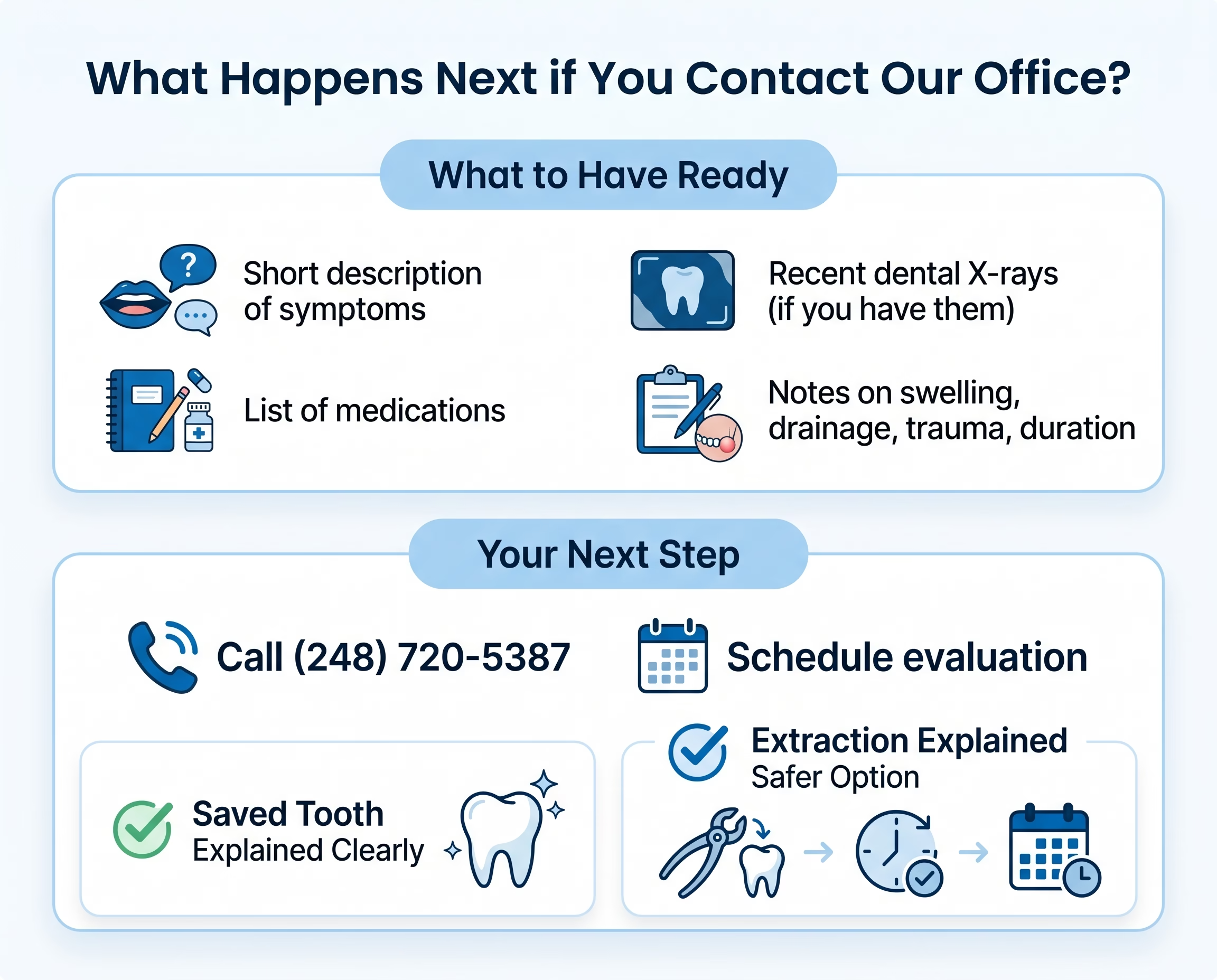
What Happens Next if You Contact Our Office?
What to Have Ready
When you reach out, it helps to have:
- A short description of your symptoms
- A list of medications
- Any recent dental X-rays, if you have them
- Notes about swelling, drainage, trauma, or how long the problem has been going on
Your Next Step
Call (248) 720-5387 or schedule an evaluation to discuss your next step.
If the tooth can be saved, you should hear that clearly. If extraction is the safer option, you should know what the appointment, healing, and follow-up plan may involve.
Why Choose Elegant Edge Dentistry for This Service?
Clear Communication and Personalized Treatment
A good extraction visit should not feel rushed or vague.
Patients usually want to know three things: whether the tooth can be saved, what the removal will involve, and what recovery may look like. At Elegant Edge Dentistry, the focus is meant to stay on clear explanations and personalized treatment planning.
A Full-picture Approach to Oral Health
Removal is sometimes the right move. It is rarely the whole story.
The better question is what protects your oral health next. That may mean recovery guidance, replacement planning, or a broader care discussion based on your symptoms and goals.
FAQS About Tooth Extractions
Does a Tooth Extraction Hurt?
The area is usually numbed first, so the goal is to prevent sharp pain during treatment. You may still feel pressure, and soreness after the visit can vary based on the tooth and the complexity of the case.
How Long Does a Tooth Extraction Take?
That depends on whether the case is simple or surgical, how easy the tooth is to reach, and whether more than one tooth is involved.
What Can I Eat After an Extraction?
Soft, cool, or lukewarm foods are usually the easiest starting point. Very hot, hard, crunchy, or spicy foods can irritate the area early on.
When Can I Use a Straw Again?
Avoid straws during early healing because suction can disturb the clot. Follow the office instructions for when it is safe to resume.
What is Dry Socket?
Dry socket happens when the blood clot protecting the extraction site is lost too early or does not stay in place. It can cause severe pain, bad taste, or odor.
Can I Smoke After a Tooth Extraction?
Smoking can slow healing and raise the risk of dry socket, so it is best to avoid it during early recovery and follow the office guidance closely.
Do I Need Antibiotics After an Extraction?
Not always. Antibiotics are used only when they are clinically indicated.
When Should I Call the Office After an Extraction?
Call if pain is getting worse instead of better, bleeding is not slowing, swelling is increasing, or you notice fever, drainage, bad taste, or foul odor.
Should I Replace the Tooth After It is Removed?
In many cases, replacing a missing tooth helps support bite function, spacing, and chewing. The right option depends on the tooth, your bite, and your overall treatment plan.