

How Our Cosmetic Dentistry Improves Your Dental Health?
Most people come in with one main concern, like color, chips, spacing, or alignment. Cosmetic dentistry includes treatments that improve these details and also keep your teeth working well long term.
Common Concerns We Address
- Teeth that look stained or dull
- Small chips or uneven edges
- Minor spacing or “black triangles”
- Teeth that look short, worn, or uneven
- Mild to moderate crowding (often with aligners)
Choose Your Cosmetic Dentistry Treatment Option
| Your Main Goal | Options to Discuss | Helpful Note |
|---|---|---|
| Brighter teeth | Professional whitening, veneers | The cause of discoloration matters. |
| Small chips or small gaps | Bonding, veneers | Your bite and edge wear help decide. |
| More even shape | Bonding, veneers | Shade matching and symmetry planning matter. |
| Straighter smile | Clear aligners, veneers (sometimes) | Alignment changes can improve cleaning and symmetry. |
Not sure which row you fit? Set up a consult visit and bring a few photos of smiles you like.

Can Clear Aligners Be Part of Your Smile Improvement Plan?
Clear aligners are removable trays that gradually shift teeth into a more even position. For many adults, they fit naturally into a smile improvement plan because they are subtle, easy to clean around, and can be removed for meals and special occasions. Whether aligners are the right choice depends on the type and degree of tooth movement your teeth need, along with your daily routine and comfort level.
When Alignment Changes Matter Most
- Crowded or overlapping front teeth that affect how the smile looks
- Spacing between teeth that you would like to close
- A bite that does not line up evenly when you smile or chew
- Tilted teeth make whitening, bonding, or shaping harder to plan
What to Expect From the Process
Your dentist will review scans or impressions, map out a personalized treatment path, and walk you through the expected timeline before you commit. You wear each tray for a set number of weeks before moving to the next one, with short check-in visits along the way to confirm progress. Most people wear aligners around 20 to 22 hours a day to stay on schedule, taking them out only for meals and brushing. Once active treatment ends, a retainer helps hold your new position so the work is not lost.
Curious whether aligners fit your goals? Get a personalized plan during a consult visit.
Veneers, Bonding, and Whitening: What Do You Need?
These options can all improve a smile. They do it in different ways.
Side-by-side Comparison
| Option | Best for | What It Changes | Main Tradeoff |
|---|---|---|---|
| Whitening | Surface stains, dull color | Color | Sensitivity can happen; results vary by stain type. |
| Bonding | Small chips/gaps, edge reshaping | Shape (and some color) | Material can stain over time; bite matters. |
| Veneers | Bigger shape + color change | Shape + color | Planning is more involved; it may require enamel reshaping. |
When Each Option Tends to Make Sense
- Whitening: best when the main issue is color, and your tooth shape is already close to what you want.
- Bonding: best for small chips, small gaps, or edge reshaping when you want a conservative change.
- Veneers: best when you want a bigger change in both shape and color.
Before You Whiten (Quick Warning)
- If you have frequent sensitivity, talk through options first.
- Whitening will not change the color of crowns or fillings.
- If stains are deeper, other options may be a better fit.
You can talk through payment and timing during your consult.

Will Insurance Help Pay for Cosmetic Dentistry?
Most dental plans treat appearance-focused care as elective, which means coverage is often limited or not included. There are still useful exceptions worth checking. If a treatment also restores function – for example, a crown that protects a damaged tooth or aligners that improve a bite issue – parts of your plan may apply to the procedure or to related visits. Coverage rules vary widely between insurers and individual policies, so the most accurate answer always comes from a quick review of your specific benefits.
Our team can walk through what your plan typically covers, what tends to be out of pocket, and which payment options may help you spread costs over time. Many patients find that combining benefits with a flexible payment option makes a plan more manageable than expected. There is no obligation to start treatment after this conversation – it is simply meant to give you the numbers you need to decide.
Want a breakdown of your options? Talk through payment and timing before you decide on a plan.
How Long Do Cosmetic Dentistry Treatments Usually Take?
Timelines vary because plans vary. Some changes can be done quickly. Others take a longer sequence.
- Short timeline: options that focus on one concern (like color or small shape changes)
- Longer timeline: plans that involve alignment, multiple steps, or more extensive planning
Your consultation should include an estimated timeline before you start.
Factors That Affect the Cosmetic Dentistry Treatment?
Instead of looking for one price, focus on the main cost drivers:
- Number of teeth involved
- Type of treatment and materials used
- Complexity (alignment, symmetry planning, bite considerations)
- Whether the plan is done in phases
If you want a clear estimate, the best path is to ask your questions in person after an exam.

How Do You Choose the Right Dentist for Esthetic Work?
The look of your smile is a long-term detail, so it helps to pick a dentist who takes the time to plan with you. A good fit usually shows up in the consultation – in how questions get answered, how options are explained, and how clearly tradeoffs are laid out. You should feel heard, not rushed.
A few things worth checking before you commit:
- Experience with the specific treatment you are considering (whitening, bonding, veneers, or aligners)
- Before-and-after photos of similar cases, when they are available to share
- A clear, written plan with steps, sequencing, and realistic timing
- A comfort-focused approach and willingness to slow down or pause if needed
- Honest conversation about what is realistic for your teeth, gums, and bite
You should leave a consultation with a better understanding of your options – not pressure to decide right away. If something feels rushed or unclear, it is okay to take time, ask follow-up questions, or compare with another opinion. A practice that respects that process is usually the one that will respect your goals once treatment starts.
When you are ready to compare plans, schedule it online for a relaxed conversation.

What Happens at a Cosmetic Dentistry Consultation?
A consultation is where you and your dentist talk through what you would like to change, what is realistic for your teeth, and which options match your goals and timeline. It is a no-pressure visit focused on information, not a commitment to start treatment that day. Most people leave with a much clearer picture of their options and the next steps.
Step-by-step Process
- A quick health-first exam to check your teeth, gums, and bite
- A conversation about your main concerns and the look you have in mind
- Photos, scans, or simple measurements when they help with planning
- A review of options that fit your situation, with tradeoffs explained in plain language
- An estimated timeline, sequencing, and what each phase involves
What to Bring and What to Ask
Bring a couple of smile photos you like, a list of any tooth or gum sensitivities, and a rough sense of your budget range. Helpful questions to ask include: which options fit my goal, what prep is required, how long the results usually last, and what daily maintenance looks like afterward. Honest answers help you choose with confidence rather than guesswork, and they make it easier to compare any plans you may have seen elsewhere.
Ready to map out your options? Book a consultation visit when it works for you.
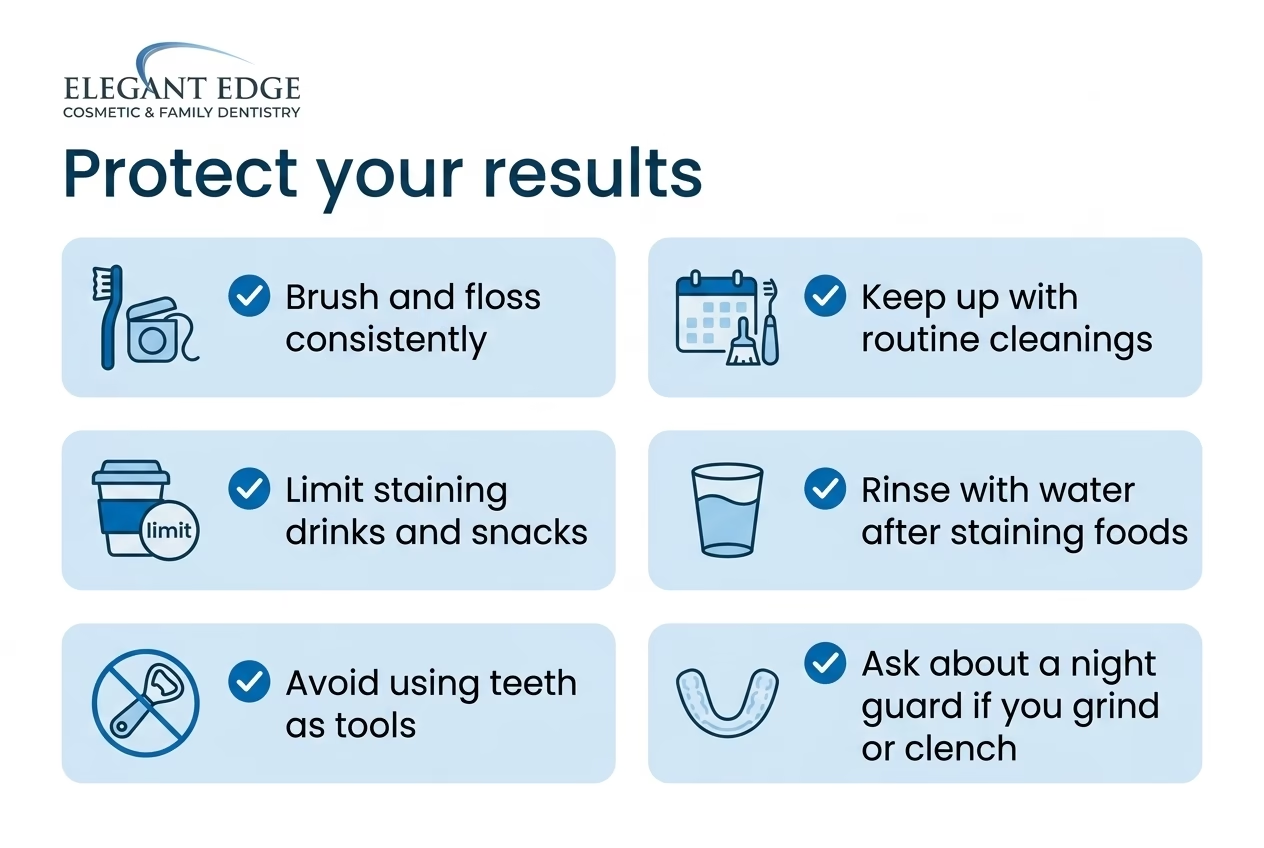
How Do You Take Care of Your Smile?
A great result after cosmetic dentistry treatment also needs maintenance. Your dentist may tailor advice to your plan, but these habits usually help:
- Brush and floss consistently
- Keep up with routine cleanings
- Limit frequent staining drinks/snacks (or rinse with water afterward)
- Avoid using teeth as tools (opening packages, chewing ice)
- If you grind or clench, ask whether a night guard is appropriate
Frequently Asked Questions on Cosmetic Dentistry
How is Smile-focused Dental Care Different From General Dentistry?
General dentistry focuses on prevention and oral health (exams, cleanings, treating decay). Smile-focused care also looks at appearance – like color, shape, and spacing – while still protecting long-term function.
Which Option is Best for Stained or Yellow Teeth?
That depends on the cause of discoloration and your sensitivity. Many people start by discussing professional whitening. If stains are deeper or you want a bigger change in shape at the same time, other options may be a better fit.
Can Bonding Fix Small Chips or Gaps?
Bonding can be a good fit for small cosmetic changes, like minor chips, uneven edges, or small gaps. Your dentist will confirm whether bonding is strong enough for your bite and goals.
Do Veneers Require Tooth Reduction?
Some veneer plans involve reshaping tooth enamel, while others can be more conservative. The amount depends on your tooth shape, alignment, and the look you are trying to achieve.
Are Clear Aligners Only for Cosmetic Changes?
Clear aligners can improve appearance by straightening teeth, and they may also help with function depending on your case. A consultation determines whether aligners are appropriate and what is realistic for your bite.
How Long Does a Smile Plan Take?
Timing depends on the option you choose. Some treatments can be completed quickly, while others take multiple visits or a longer sequence. Your plan should include an estimated timeline before you start.
What Affects the Cost the Most?
Cost changes with the number of teeth involved, the type of treatment, the materials used, and how much preparation or lab work is needed. Complex cases may require a phased plan.
Will Insurance Cover Any Part of It?
Coverage varies by plan and by procedure. Many appearance-focused treatments are elective, but there can be exceptions when a procedure also restores function. Your office can help you understand how your benefits apply.
What Questions Should I Ask at My Consultation?
Ask about options that fit your goal, what prep is required, how long it takes, how to maintain the result, and any tradeoffs (like sensitivity risk or material choices).
How Do I Maintain My Results Afterward?
Daily home care, regular cleanings, and avoiding habits that stain or chip teeth can help. Your dentist may also recommend a retainer, night guard, or a touch-up schedule based on your treatment.