

Key Takeaways
- Sealants are preventive, not a treatment for a tooth that already needs a filling.
- They are most often used on back teeth with deep grooves.
- Children are common candidates, but some adults may benefit too.
- The visit is usually quick and does not involve drilling in typical cases.
- Regular checkups help confirm the coating is still intact.
What Are Sealants, and What Do They Do?
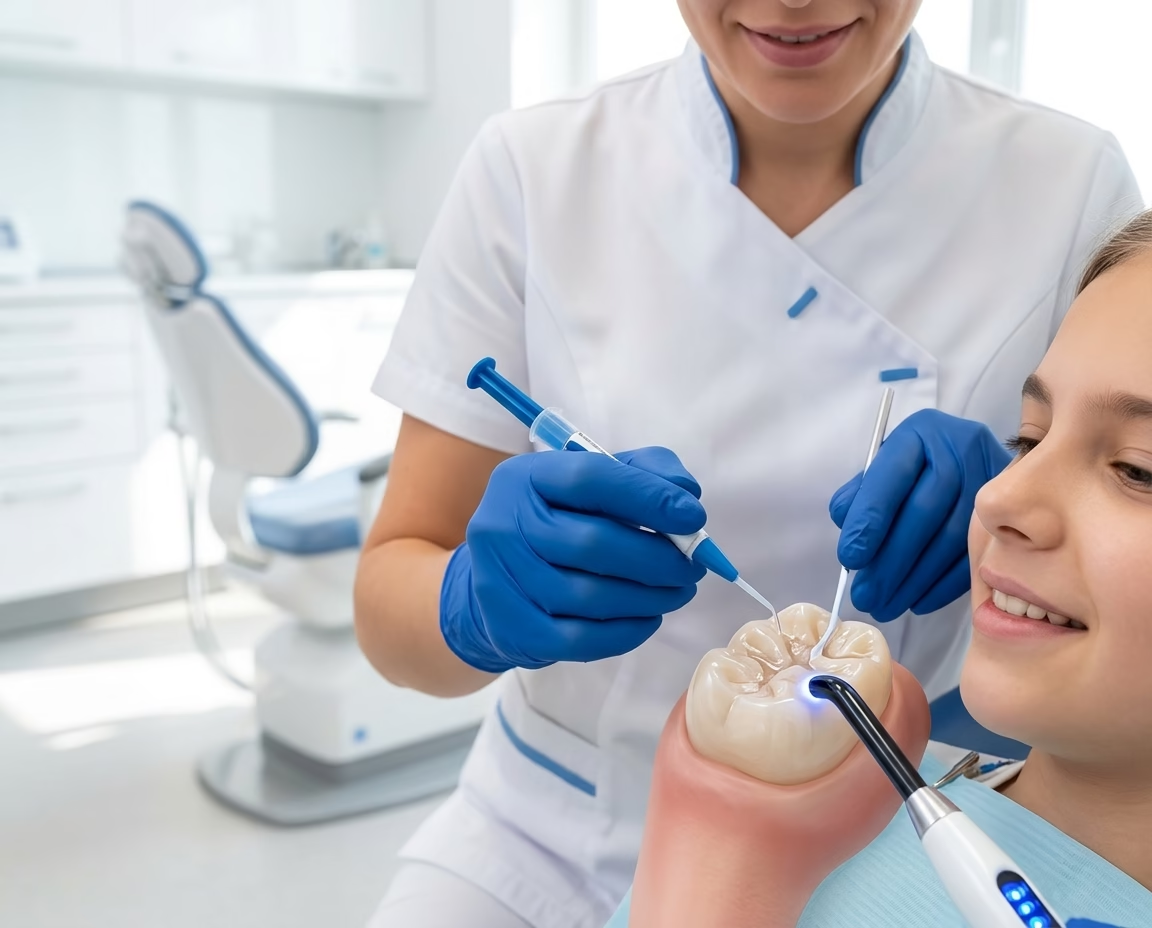
Sealants are a thin coating placed over the grooves on the chewing surfaces of back teeth. Those grooves can be hard to keep clean, especially on molars.
How Do They Protect the Chewing Surfaces of Back Teeth?
They act as a barrier. The goal is to make it harder for food, plaque, and bacteria to settle into narrow pits and fissures where decay can start.
How Are They Different From Fillings?
Sealants help prevent cavities. Fillings are used to repair a tooth that already has decay.
Why Do People Choose Dental Sealants?
People usually choose them because they want extra protection on the teeth that do the hardest chewing. It is a simple preventive step that fits well into routine care.
What Makes Them Useful for Cavity Prevention?
Back teeth do a lot of work and have more grooves than smoother front teeth. That makes them more likely to trap food and plaque.
Why Do Many People Like the Quick, Non-invasive Visit?
In typical cases, there is no drilling and very little disruption to the appointment. That makes sealants an easy topic to ask about during regular preventive visits.

Who Are Sealants a Good Fit for, and When Are They Not?
Not every tooth needs them. A dentist checks the tooth’s surface first to see whether it is healthy enough for this kind of protection.
Are They Mainly for Kids and Teens?
Children and teens are common candidates because permanent molars often have deep grooves and can be hard to brush well. Many parents first ask about sealants when those back teeth come in.
Can Adults Still Benefit?
Sometimes, yes. Adults with deep grooves, a history of cavities, dry mouth, or other decay risk factors may still be good candidates.
Schedule an appointment to check bleeding, swollen, or receding gums. Call (248) 720-5387 or request a visit online.
When Might Another Treatment Make More Sense?
If a tooth already has decay that needs treatment, a filling may be the better next step. Some teeth may also be better managed with other preventive care based on the exam.
Quick Fit Check
- Often a good fit: newly erupted molars, deep grooves, cavity-prone back teeth
- May still help: some adults with higher cavity risk
- May not be the right choice: teeth that already need a filling or another treatment plan
What Happens During a Sealant Visit?
The visit is usually straightforward. The exact steps can vary slightly, but the usual flow is straightforward.
Exam and Tooth Selection
The dentist checks whether the tooth surface is a good candidate. If a tooth already needs a filling, the plan may change.
Clean and Dry the Tooth
The surface is cleaned and prepared to ensure the material bonds well. Keeping the tooth dry is important.
Apply and Harden the Coating
The liquid material is placed into the grooves and then hardened, often with a curing light. The bite can be checked at the end.
How Long Does the Visit Usually Take?
It is often a quick addition to a routine appointment. Timing can depend on how many teeth are being treated.
How Long Can Sealants Last, and How Are They Checked?
Sealants can last for years, but wear can vary from person to person. Bite pressure, habits, and how well the coating stays intact all play a part.
What Affects Wear Over Time?
Heavy chewing pressure, grinding, and normal day-to-day use can all affect longevity. Some people also have deeper grooves or bite patterns that create more wear.
What Happens if One Chips or Wears Away?
That can happen. During routine exams and cleanings, the coating can be checked and re-evaluated if needed.
How Do Sealants Compare With Fluoride Varnish and Fillings?
These options do different jobs. The right choice depends on what the tooth needs today.
| Option | Main Purpose | Best Used for | Not the Same as |
|---|---|---|---|
| Sealants | Add a protective layer over grooves | Back teeth that are at risk but not already damaged enough to need a filling | Repairing an existing cavity |
| Fluoride varnish | Strengthen enamel and support prevention | Broader cavity prevention across teeth and risk levels | Covering deep grooves like a sealant |
| Fillings | Repair tooth structure | Teeth with decay that need treatment | Preventive coating |
What Can Affect the Cost?
The final amount can vary based on the number of teeth being treated, whether it is done during a larger preventive visit, and whether any tooth needs treatment first. Benefits coverage can matter too.
A clear exam helps sort that out before anything is placed.
Why Choose Elegant Edge for Sealants in Rochester Hills?
Sealants work best when they are part of a bigger preventive plan. That includes exams, cleanings, home care, and early treatment when a tooth needs more than prevention.
How Do Sealants Fit Into a Preventive-first Visit?
A good visit starts with looking at the actual tooth surfaces at risk. From there, the recommendation can stay focused on prevention instead of waiting for a cavity to get worse.
What Makes the Next Step Simple for Families?
This is often a quick conversation during a routine visit. Families can ask about a child’s candidacy, and adults can ask whether a higher-risk molar may still benefit.
Are Sealants Safe and Comfortable?
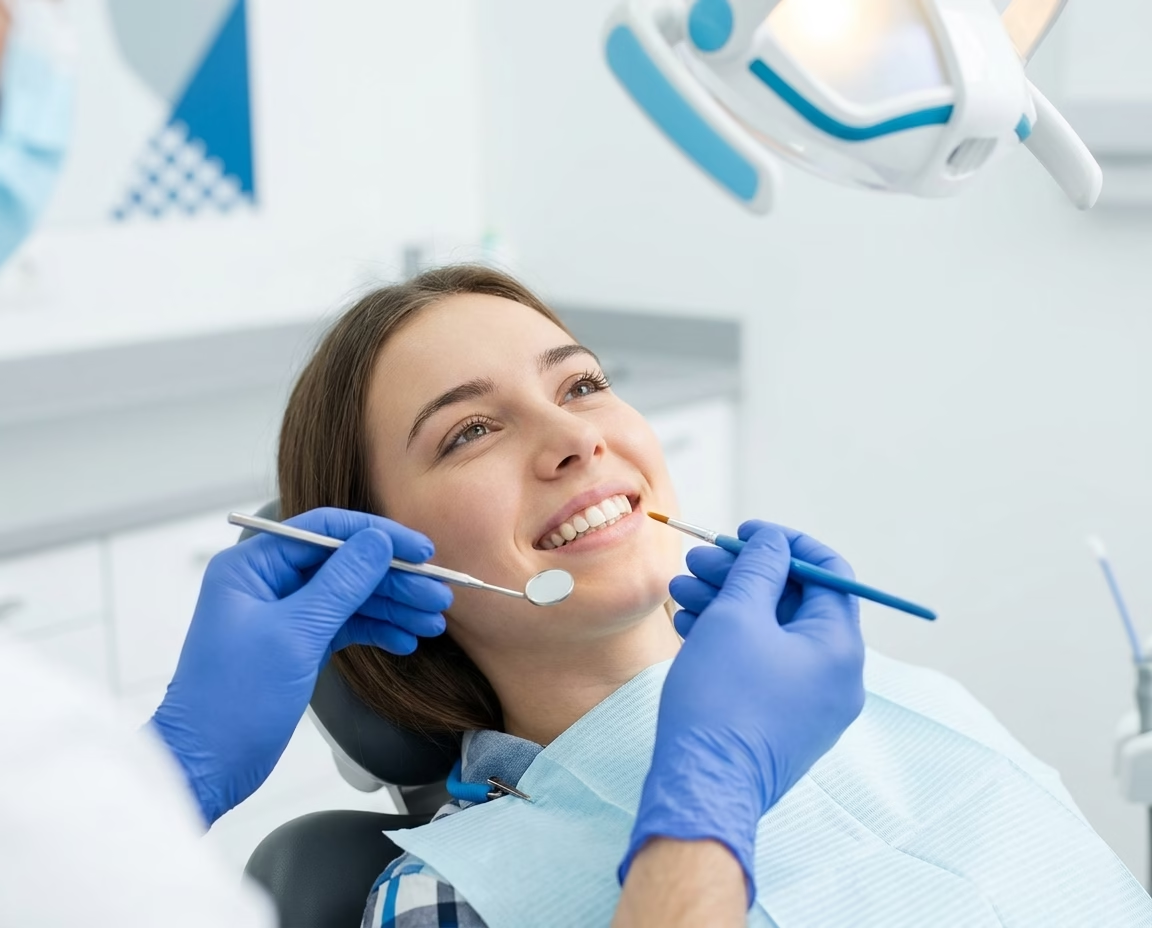
Most people find the process easy. It is commonly used as part of preventive dental care.
Is the Process Painful?
Typically, no. In routine cases, there is little discomfort and no downtime.
Do They Replace Brushing and Flossing?
No. They are an added layer of protection, not a replacement for brushing, flossing, and regular checkups.
Common Questions About Sealants
Can I Ask About Sealants During a Routine Cleaning?
Yes. That is often a practical time to ask whether the back teeth fit well.
Are Sealants Only for Children?
No. Children are common candidates, but some adults may benefit too, based on the condition of the tooth and overall cavity risk.
Can Adults Get Them on Molars?
Sometimes. An exam helps decide whether the surface is healthy enough and likely to benefit.
Do Sealants Help Prevent Cavities?
They can help reduce risk by covering grooves where debris and bacteria often collect.
Can Sealants Be Placed Over a Tooth With Decay?
That depends on the tooth. If a tooth already needs a filling or another treatment, the dentist may recommend something else first.
Can You Eat After the Visit?
Many patients can return to normal activity quickly. The office can confirm any specific instructions for the same day.
Do Sealants Wear Off?
They can wear over time. That is why routine checks matter.
When Should a Child Be Checked for Them?
Many parents ask about them when permanent molars start coming in. A dentist can help determine the time based on the child’s teeth, not just age alone.
Schedule an Appointment to Check Bleeding, Swollen, or Receding Gums
Call (248) 720-5387 or request a visit online.