

Key Takeaways
- Sedation dentistry makes dental visits easier for patients with anxiety, a sensitive gag reflex, or trouble sitting through long procedures.
- Elegant Edge Dentistry offers nitrous oxide and oral conscious sedation, matched to your medical profile and treatment plan.
- Most patients remain awake and responsive, not unconscious. You feel relaxed, not absent.
- Preparation matters: a brief health review, fasting instructions (for oral sedation), and a ride home are part of the process.
- Sedation pairs well with longer cosmetic and restorative visits, so you finish more work in fewer appointments.
Types of Sedation We Offer
Not every patient needs the same level of sedation, and not every procedure calls for it. During your consultation, we walk you through the options based on your health, anxiety level, and the planned treatment.

Nitrous Oxide (Laughing Gas)
Nitrous oxide is the lightest form of sedation. You breathe it through a small nose mask, and within minutes, you feel calm and warm. The effects wear off within five to ten minutes after the mask is removed, which means most patients drive themselves home afterward.

Oral Conscious Sedation
For moderate anxiety or longer visits, we may prescribe an oral sedative taken before your appointment. You feel drowsy but remain awake and able to respond. Because the effects linger for several hours, you need a responsible adult to drive you home and stay with you until the medication clears.

Matching Sedation to the Procedure
Some visits need no sedation at all. Others, like implant surgery or a full smile restoration, pair well with a deeper relaxation plan. We work with you to find the lightest option that still keeps the appointment comfortable.
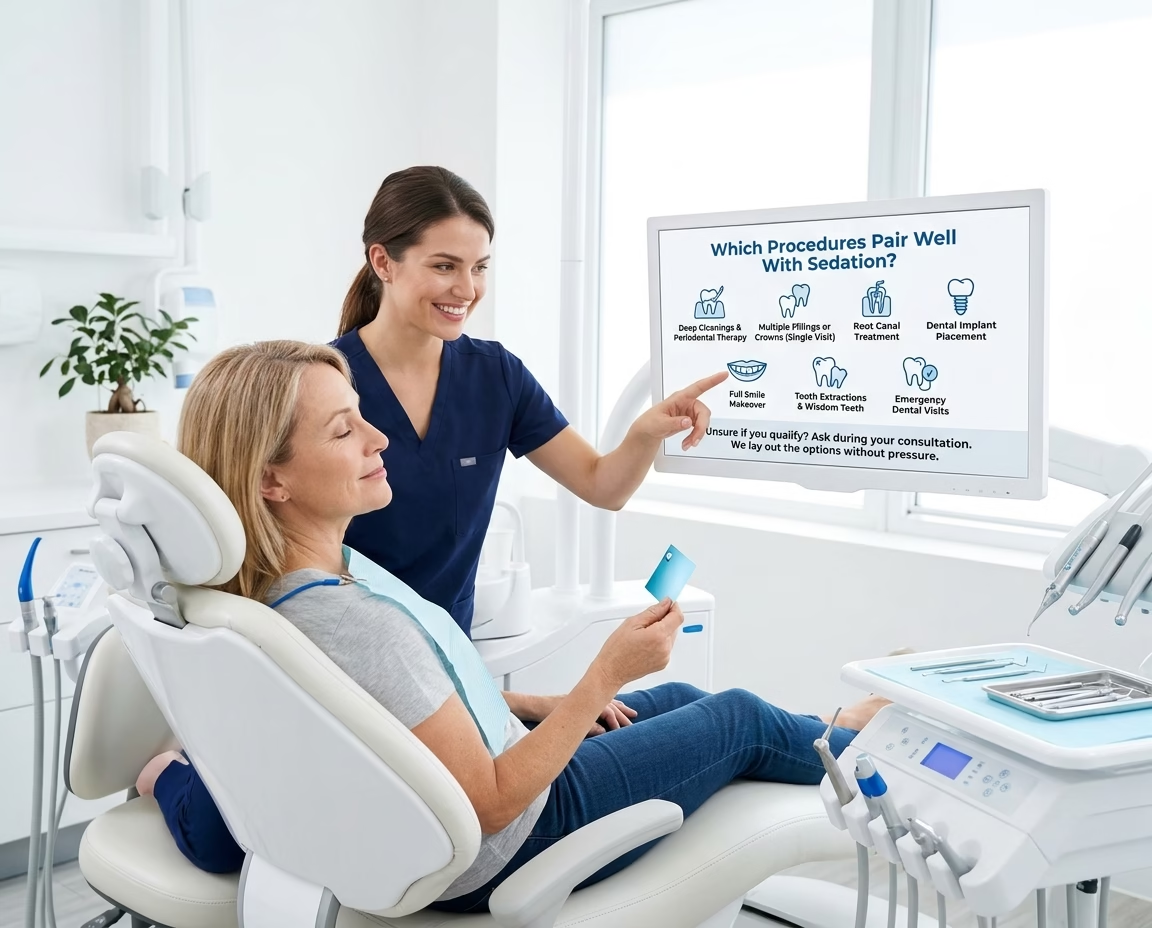
Which Procedures Pair Well With Sedation?
Sedation is not limited to surgery. Patients often request it for:
- Deep cleanings and periodontal therapy
- Multiple fillings or crowns completed in a single visit
- Root canal treatment
- Dental implant placement
- Full smile makeover cases that combine veneers, whitening, and bonding
- Tooth extractions, including wisdom teeth
- Emergency dental visits involving trauma or acute pain
If you are unsure whether your procedure qualifies, ask during your consultation. We lay out the options without pressure.
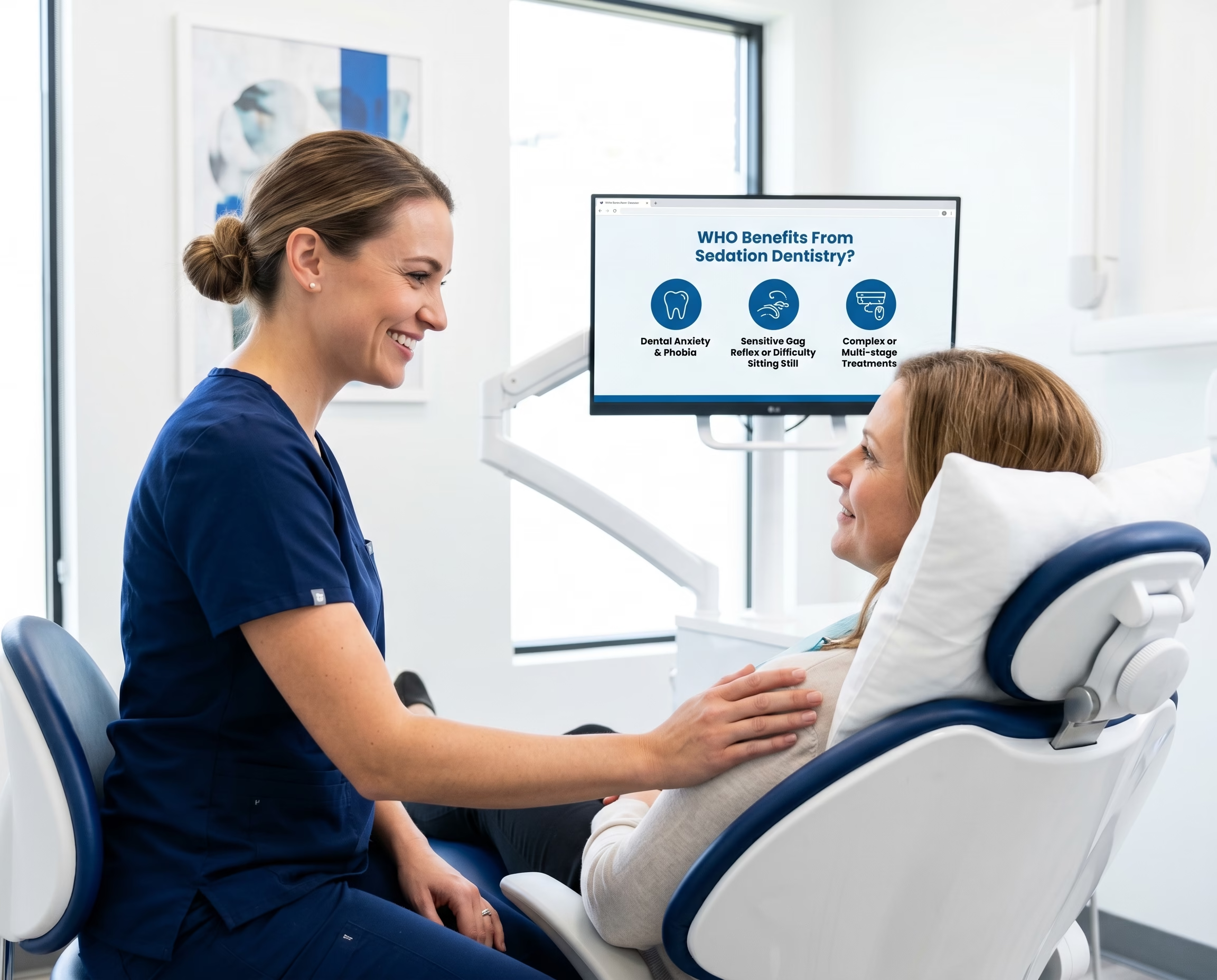
Who Benefits From Sedation Dentistry?
Dental anxiety is common. For some people, it is severe enough to delay care for years. Sedation removes that barrier. It also helps patients who are not anxious but need help with other challenges at the chair.

Patients With Dental Anxiety or Phobia
If the sound of a drill makes your chest tighten, you are not alone. Research suggests roughly one in three adults feels anxious about dental visits, and a smaller group avoids treatment entirely. Sedation softens that response so you can sit through care instead of canceling.

Sensitive Gag Reflex or Difficulty Sitting Still
A strong gag reflex can turn a five-minute X-ray into an ordeal. Mild sedation relaxes throat muscles and calms that involuntary response. The same approach helps patients with restless legs, chronic back pain, or conditions that make long appointments uncomfortable.

Complex or Multi-stage Treatments
Procedures like dental implant placement, full-mouth restoration, and extensive crown work take time. Sedation lets us safely combine visits, so you walk out with more progress and fewer disruptions to your schedule.
What to Expect Before, During, and After Your Appointment
Knowing the flow of a sedation visit takes the mystery out of it. Here is what a typical appointment looks like at our office.

Before Your Visit: Health History and Preparation
Every sedation plan starts with a review of your medical history, current medications, allergies, and past reactions to anesthesia. We give you written instructions: when to eat or stop eating, which medications to pause or continue, and what to wear. Loose, comfortable clothing is usually best.

During the Procedure: Monitored Comfort
Once you arrive, we confirm your health status and begin sedation based on your plan. Vital signs (oxygen, heart rate, blood pressure) are monitored throughout. You stay in a reclined chair, covered with a blanket if you like, and our team stays beside you for the entire visit.

After Sedation: Recovery and Aftercare
When treatment ends, you rest briefly in the chair as the medication begins to wear off. For nitrous oxide, that is a few minutes. For oral sedation, plan for your escort to drive you home and skip work, driving, and important decisions for the rest of the day.

How We Keep You Safe Throughout Treatment
Safety is the foundation of sedation dentistry. Our protocols follow American Dental Association guidance, and every sedation plan is individualized to your health profile.
Before sedation, we verify:
- Your complete medical and medication history
- Any history of allergies or adverse reactions
- Current blood pressure and resting heart rate
- Fasting status, if required by the sedation type
During treatment, monitoring continues. A trained team member watches your vitals and responsiveness from start to finish. Emergency protocols and equipment are on-site for every sedation appointment.
What Affects the Cost of a Sedation Visit?
Cost depends on several factors, and we discuss them openly during your consultation:

Type of Sedation
Nitrous oxide is the least expensive option. Oral conscious sedation requires a prescription and longer chair time, which affects pricing.

Length of the Procedure
Longer visits use more sedatives.
The Underlying Treatment
Sedation is billed separately from the dental work itself.

Insurance Coverage
Some plans cover sedation for medically necessary procedures; others do not. We help you understand your benefits.

Is Sedation the Right Fit for You?
Sedation is an option, not a requirement. If the idea of sitting through a two-hour cosmetic dentistry visit makes you uneasy, it is worth discussing. If you have canceled appointments in the past because of anxiety, or put off general dentistry care for years, sedation can be the piece that gets you back in the chair.
It is not the right choice for every patient. Some medical conditions, medications, and pregnancy status may limit sedation options. That is what the health review is for: we map out a plan that is both safe and effective for you.
Schedule a Sedation Consultation at Elegant Edge Dentistry
You do not have to white-knuckle your next appointment. Call us at (248) 720-5387 or schedule your consultation online. We talk through your concerns, review your health history, and outline a sedation plan that matches your needs.
Frequently Asked Questions About Sedation Dentistry
Will I Be Unconscious During Sedation Dentistry?
No, in most cases, you remain awake and responsive. Nitrous oxide and oral conscious sedation are designed to relax you, not to put you to sleep. You hear us, respond to instructions, and remember the visit, though oral sedation may make parts of it feel hazy.
Is Sedation Dentistry Safe?
Sedation dentistry is considered safe when performed by trained professionals following standard protocols. We review your medical history, monitor your vitals throughout treatment, and adjust dosing based on your individual profile. As with any medical procedure, some health conditions may limit options, which is why the pre-appointment review matters.
How Long Does the Sedation Last?
Nitrous oxide wears off within 5 to 10 minutes after the mask is removed. Oral conscious sedation lingers longer, typically 4 to 6 hours, and residual grogginess may last into the evening. Plan accordingly.
Can I Drive Myself Home Afterward?
Yes, if you have received only nitrous oxide. No, if you have had oral conscious sedation. You need a trusted adult to drive you home and stay with you for several hours afterward.
Does Insurance Cover Sedation Dentistry?
It depends on your plan and the underlying procedure. Some insurers cover sedation when it is medically necessary, such as extensive surgery or severe documented anxiety, but many consider it elective. Our team verifies your benefits before the visit, so there are no surprises.
How Do I Prepare for a Sedation Appointment?
For nitrous oxide, eat a light meal beforehand and take medications as usual. For oral sedation, we provide written instructions: fasting requirements, which medications to hold, and when to take the prescribed sedative. Bring a responsible adult to drive you home and plan to rest for the rest of the day.