
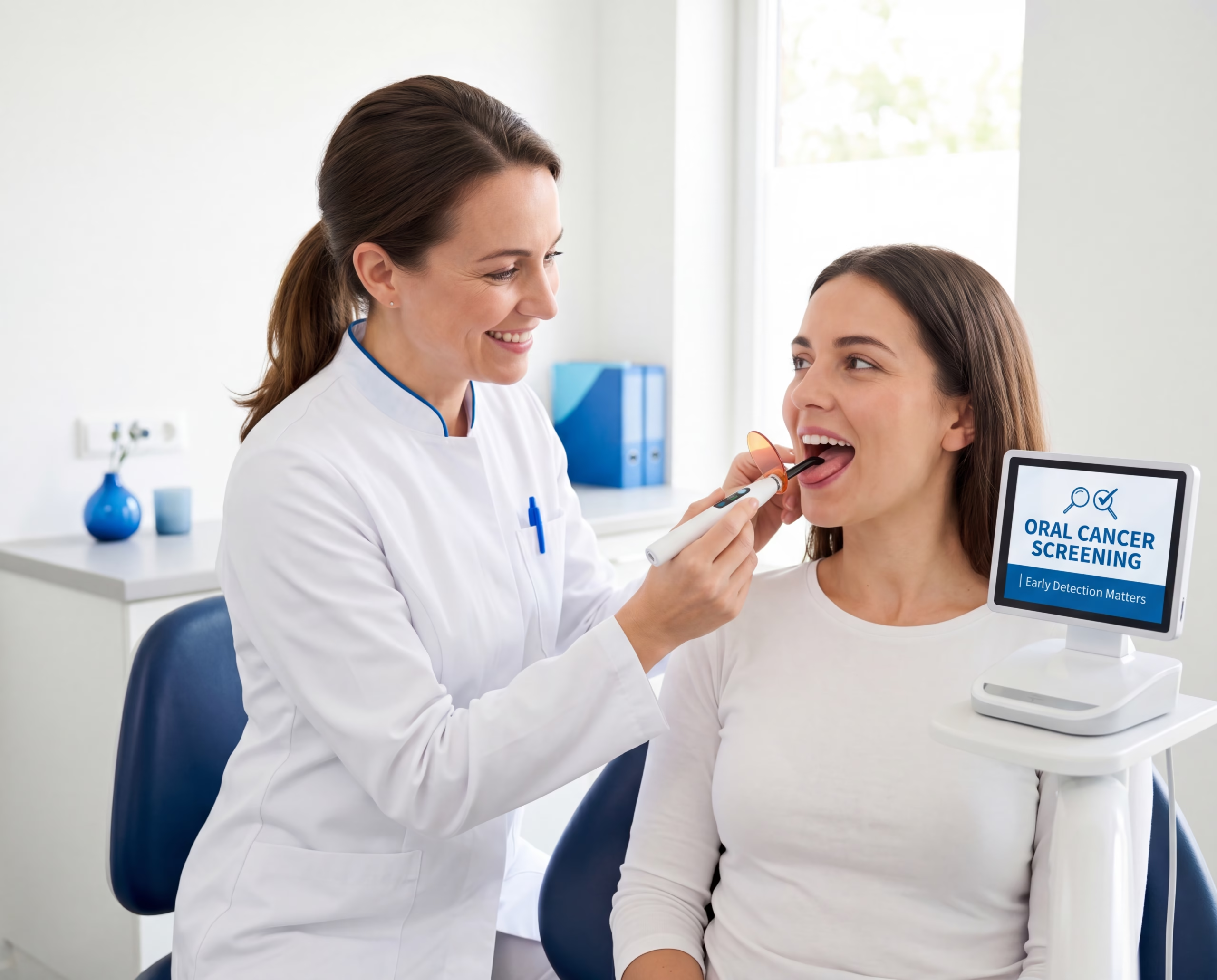
Why Oral Cancer Screenings Matter
Oral cancer often starts with small changes that are easy to miss on your own. A patch you can barely notice, a sore that feels minor, or a small lump that doesn’t hurt yet, these can look unimportant at first. A short, focused screening simply adds a trained set of eyes to your routine. We notice things you may not, and we compare what we see today with what was noted at your last visit.
Catching changes early means more options. Whatever shows up, having a clear starting point helps you and our team make calm, informed decisions together. That’s why we encourage regular oral cancer checks as part of your dental home with Elegant Edge Dentistry, rather than waiting until something feels obvious or uncomfortable.
Signs You Need Oral Cancer Screening
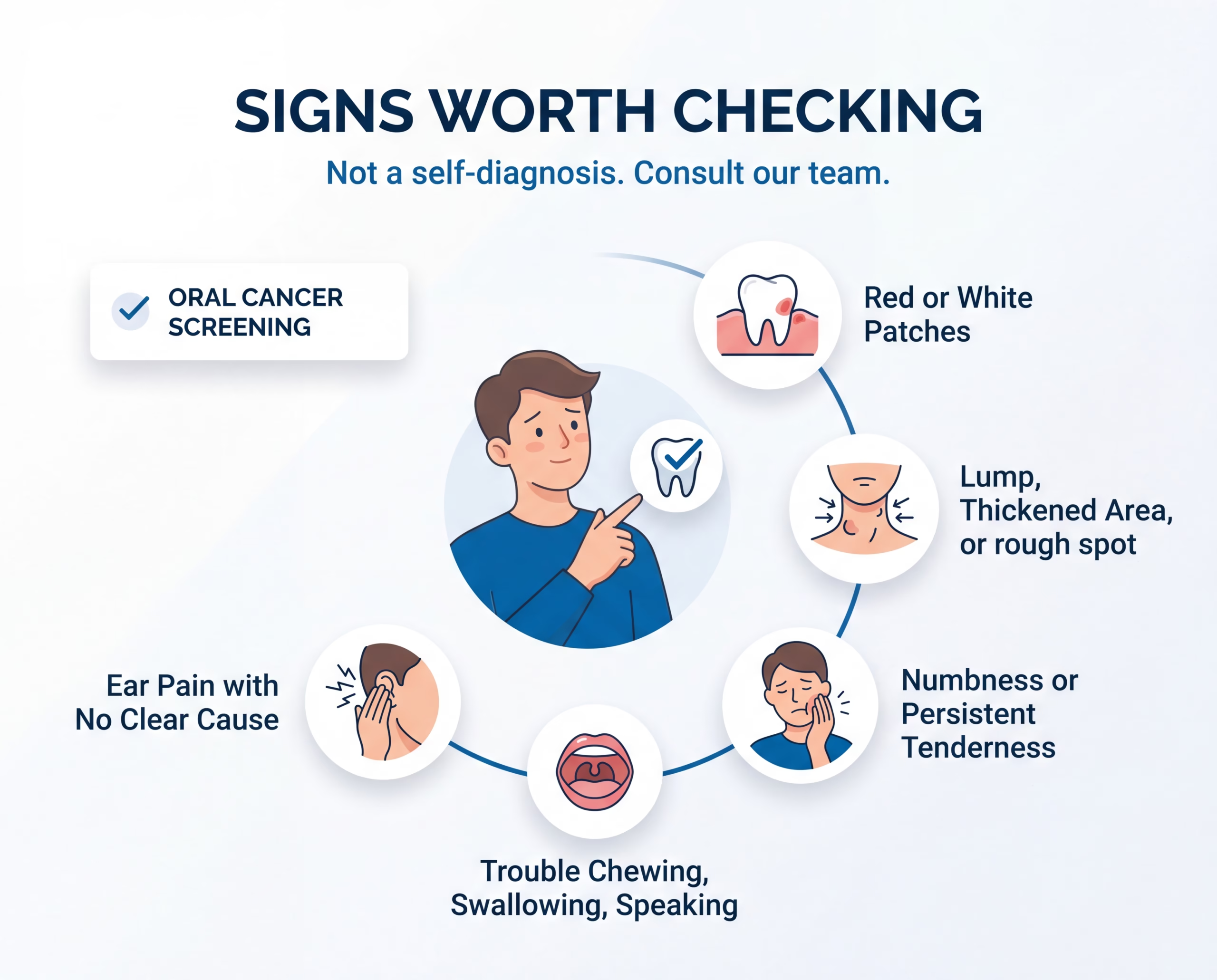
Use this as a “worth checking” list. It’s not a way to diagnose yourself. Common warning signs are:
- A sore that doesn’t improve
- Red or white patches
- A lump, thickened area, or rough spot
- Unexplained bleeding
- Numbness or persistent tenderness
- Ongoing sore throat or a “something stuck” feeling
- Trouble chewing, swallowing, or speaking
- Ear pain with no clear cause
- A change in how dentures fit (if you wear them)
What Do We Check in Oral Cancer Screening?
This screening focuses on the soft tissues in and around your mouth. We look for changes that don’t match healthy tissue.
Lips and Inner Cheeks

Gums and Tongue (Top, Sides, and Under the Tongue)
Floor of the Mouth and Roof of the Mouth

Throat Area (When Appropriate)

Jawline and Neck Area (by Gentle Palpation)
What Do We Do in Oral Cancer Screening?
Most screenings follow a consistent pattern. Tell us if any area is sore. We’ll go gently.

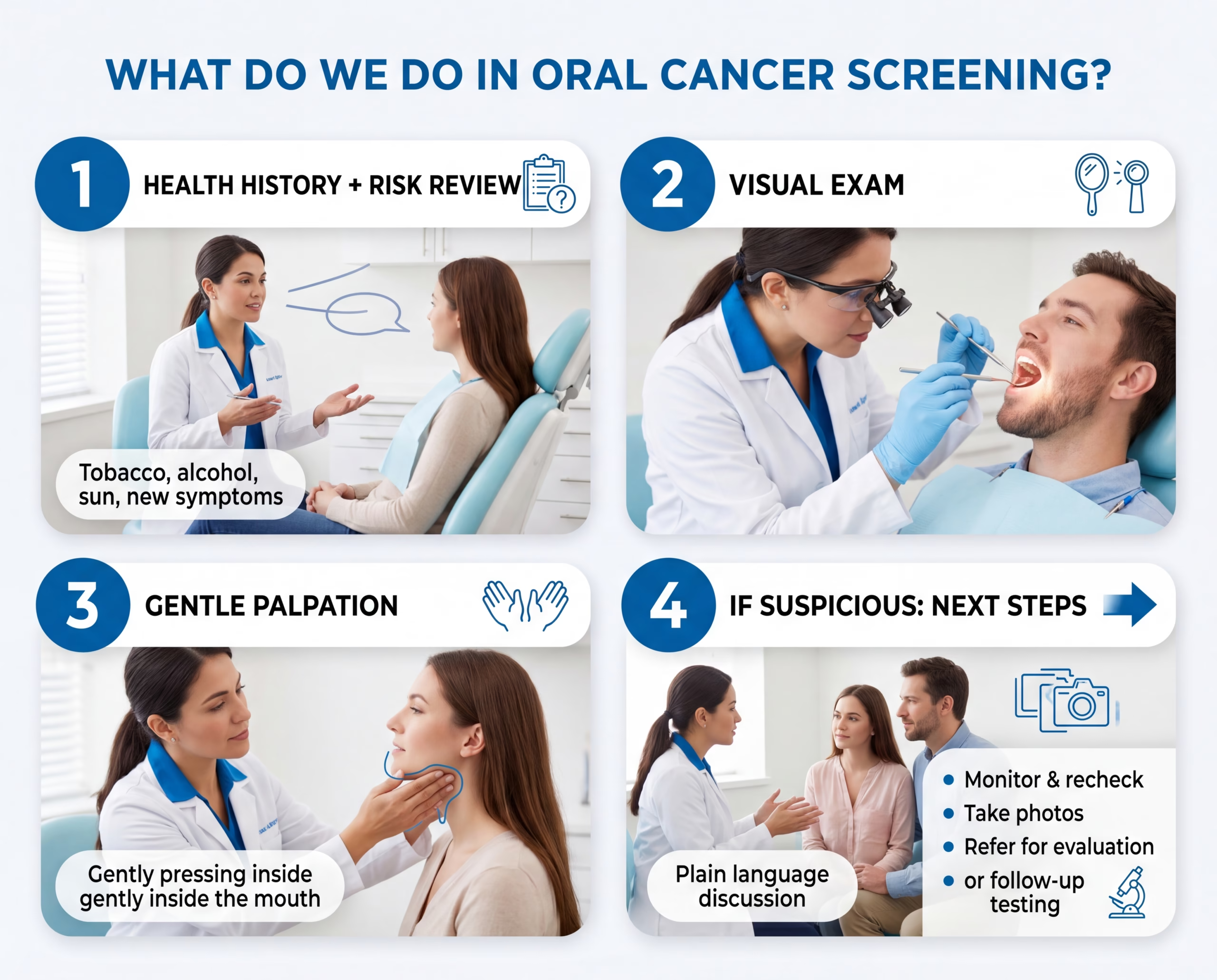
Health History + Risk Review
We may ask about tobacco use, alcohol use, sun exposure, and any new symptoms you’ve noticed.
Visual Exam
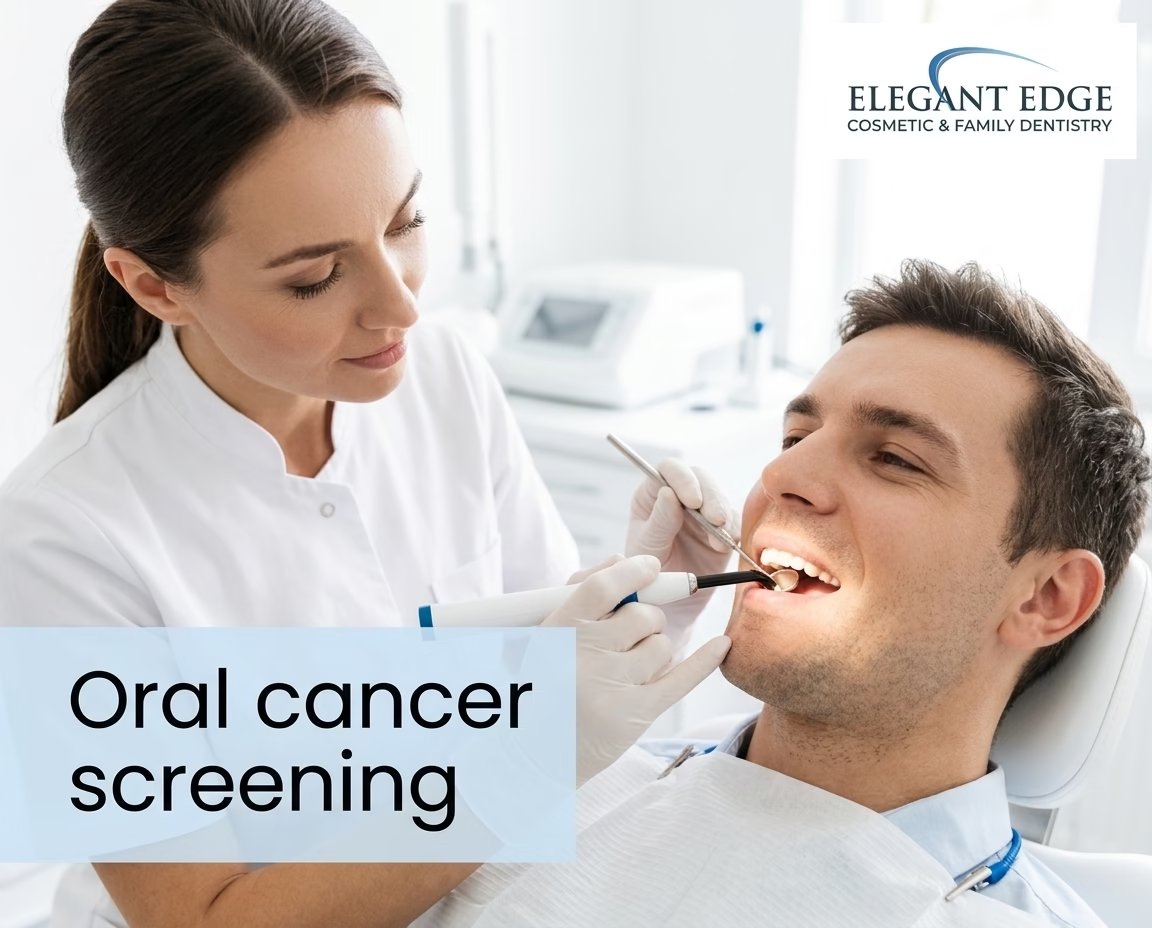
We use a light and a mirror to check tissue color, texture, and symmetry.

Gentle Palpation of Tissues and Lymph Areas
We may feel along the jaw and neck and gently check areas inside the mouth for lumps or irregularities.

If Something Looks Suspicious: Typical Next Steps
We explain what we see in plain language. Then we talk through options.
Depending on the finding, we may monitor and recheck, take photos to compare later, or refer you for additional evaluation. If a diagnosis is needed, follow-up testing (including biopsy) helps confirm it.
If you want to move forward, you can schedule a screening visit.
Who Should Consider an Oral Cancer Check?
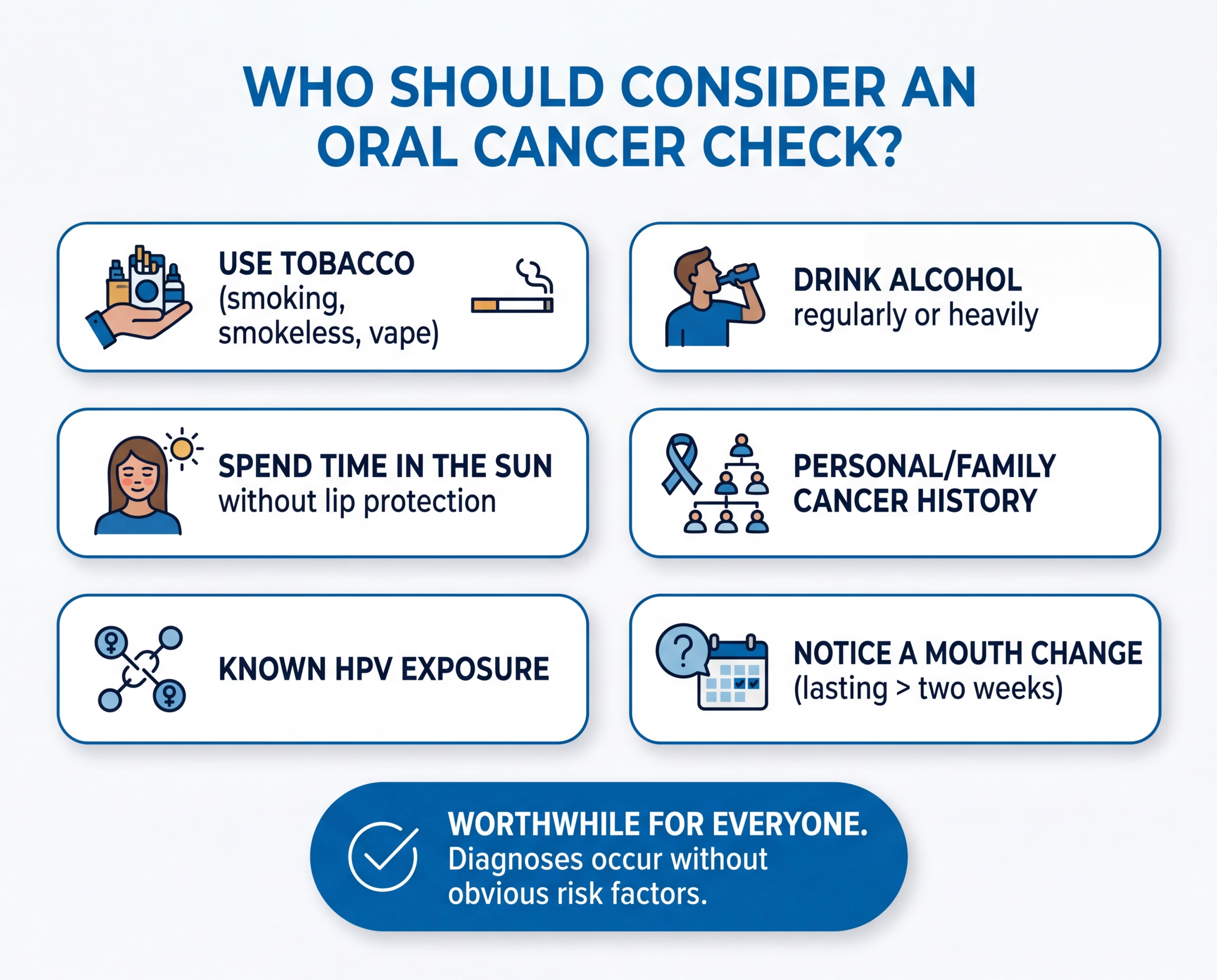
Honestly, almost everyone. Oral cancer can affect adults of any age, and many of the early signs don’t cause pain. We pay extra attention if you:
- Use tobacco in any form, including smokeless or vape products
- Drink alcohol regularly or heavily
- Spend a lot of time in the sun without lip protection
- Have a personal or family history of oral or throat cancer
- Have a known HPV exposure linked to head and neck risk
- Notice a change in your mouth that has lasted more than two weeks
If none of these apply to you, a screening is still worthwhile. Many people who are diagnosed have no obvious risk factors, which is exactly why a quick, consistent check is a smart habit for every patient.
How Often Should You Be Checked?
For most patients, an oral cancer check fits naturally into their regular cleaning and exam, every six months. If you have higher risk factors or a history of oral lesions, our team may suggest checking more often. We’ll talk through what feels right for you and fold it into your personalized treatment plan, so the visit feels familiar rather than extra.
Between visits, a quick self-check at home once a month is a good habit. Use a bright light and a mirror, look at the inside of your lips, cheeks, gums, and tongue, and gently feel along your jawline and neck. Anything new or persistent is worth a quick call to our office.
Do Special Lights or Dyes Detect Cancer?
You may have read about fluorescent lights, blue-light wands, or rinses that change color in the mouth. These adjunct tools can be useful for helping a trained provider notice areas that deserve a closer look. What they do not do is diagnose cancer on their own.
A real diagnosis still requires a careful clinical exam and, when appropriate, a biopsy performed by a qualified specialist. We’re glad to walk you through what any tool we use can and cannot tell us, so you leave the visit with a clear understanding rather than a guess.
What to Expect After Your Screening
We want every patient to leave with a clear sense of where things stand. Here’s a quick look at the possible next steps, depending on what we see during the exam:
| What We See | Typical Next Step |
|---|---|
| Everything looks healthy | We note your baseline and check again at your next routine cleaning and exam. |
| A minor area worth watching | We may take photos for comparison and ask you back in two to four weeks to recheck the spot. |
| A persistent or unusual finding | We refer you to a trusted specialist for further evaluation and will stay in touch with you and the specialist throughout the process. |
| A diagnosis is needed | Follow-up testing, which may include a biopsy, helps confirm the next steps. We support you in choosing the right specialist. |
No matter which category your visit falls into, we explain the plan in plain language. There’s no rush, no pressure, and no judgment, just a calm conversation about what makes sense for you.
Why Choose Elegant Edge Dentistry?
Since 1992, our team in Rochester Hills has built a dental home where comfort meets advanced technology. Dr. Gregory Mansour, Dr. James Tangalos, and the rest of our team offer gentle, judgment-free care for families and individuals across Oakland and Macomb Counties. We block enough time so your visit never feels rushed, and we welcome questions at every step.
We also know schedules can be tight, which is why we offer evening appointments on Tuesday, Wednesday, and Thursday. If you’ve been putting off a checkup, a quick oral cancer screening can be a simple, low-stress reason to come back in and reconnect with our team.
Schedule Your Visit With Elegant Edge Dentistry
- We explain what we saw and why it matters.
- We lay out the next step clearly.
- We keep the pace comfortable and respectful.
Book an appointment: schedule your appointment request or Call: (248) 720-5387
Frequently Asked Questions
Is an Oral Cancer Check Part of a Routine Dental Exam?
It can be. Many dentists include a quick look at the soft tissues of the mouth during routine exams. If you want a focused screening, ask us to include it during your visit.
What Areas Do You Examine During the Screening?
The exam typically includes the lips, cheeks, gums, tongue, floor of the mouth, and the roof of the mouth. We may also check the throat area and gently feel along the jaw and neck for unusual lumps.
Does the Exam Hurt?
The screening is usually quick and comfortable. It involves looking closely with a light and a mirror and gently feeling the tissues. Tell us if any area is tender so we can be extra careful.
How Long Does It Take?
A screening is usually brief and is often done as part of a regular dental appointment. The exact time can vary depending on what we see and whether we take photos for monitoring.
What Happens if You Notice Something Unusual?
We will explain what we are seeing and discuss next steps. Depending on the findings, that may include monitoring and rechecking the area, or referring you for additional evaluation. A diagnosis is made through appropriate follow-up testing when needed.
What Symptoms Should Prompt a Visit Sooner?
Schedule a visit if you notice a sore that does not improve, a red or white patch, a new lump or thickened area, unexplained bleeding, numbness, or persistent trouble chewing, swallowing, or speaking.
Who is at Higher Risk?
Risk can be higher with tobacco use (including smokeless tobacco), heavy alcohol use, significant sun exposure to the lips, and certain HPV-related throat risks. Having a prior history of oral cancer can also increase concern. Anyone can be affected, so new or persistent changes are worth checking.
Can Special Lights or Dyes Diagnose Oral Cancer?
No. Some offices use adjunct tools to highlight areas that may need a closer look, but they do not provide a diagnosis. When a diagnosis is needed, it is made through appropriate clinical evaluation and, in some cases, biopsy.
Is Checking at Home a Substitute for a Professional Exam?
Home checks can help you notice changes, but they are not a substitute for a professional exam. If you see something new or persistent, a dental visit is the best next step.