
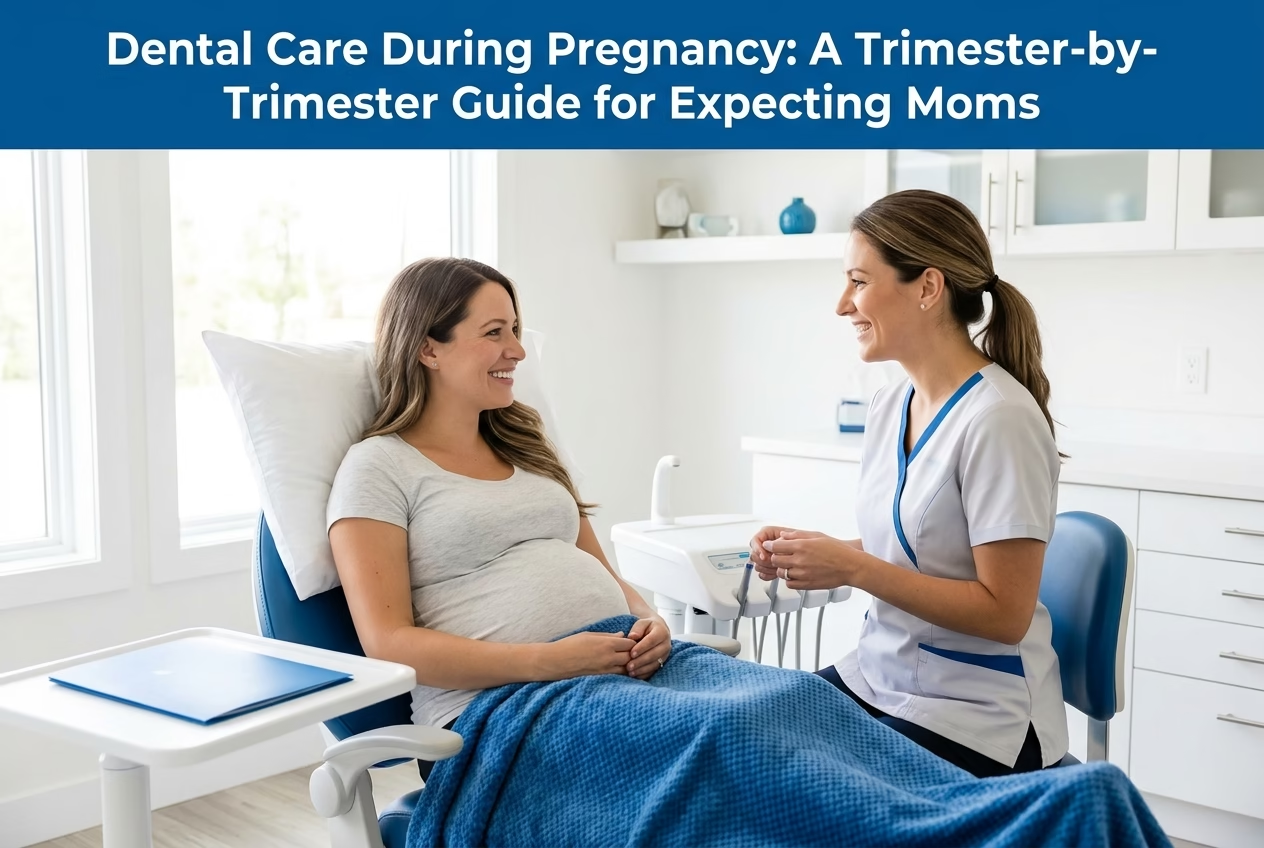
Dental care during pregnancy is not only safe but also important for you and your baby. Cleanings and exams are fine in every trimester, and the second trimester is the best window for any needed treatment. Here in Rochester Hills, our team adjusts your care to keep you comfortable at every stage.
Key Takeaways
- Dental care is safe during pregnancy, and skipping it can do more harm than good.
- The second trimester is the best window for fillings and other treatments.
- Pregnancy gingivitis is very common, affecting up to 75 percent of pregnancies, and it is reversible.
- Modern X-rays with shielding are low-risk and used only when medically needed.
- Tell us your due date and your OB’s name so that we can tailor every visit to you.
Why Your Mouth Needs Extra Attention While You’re Pregnant
Caring for your teeth is part of caring for your baby. That is the simple thesis of this guide, and the research backs it up.
Pregnancy changes a lot of things, and your mouth is one of them. Many moms-to-be are surprised by sore or bleeding gums and worried about whether they can even see a dentist. The short answer is yes, and putting it off usually causes more trouble than it prevents.
The Hormone and Gum-health Connection
During pregnancy, rising progesterone and estrogen make your gums more sensitive to plaque. Blood flow to the gum tissue increases, too, so they swell and bleed more easily.
Up to 75 percent of pregnant women develop some form of pregnancy gingivitis. It is common, it is not your fault, and it responds well to good care.
You might notice it most when brushing or flossing, when your gums look puffier or bleed a little. That is your cue to be gentle but consistent, not to stop cleaning. Backing off only lets plaque build up and makes things worse.
Dental Care During Pregnancy: What Research Says About Pregnancy and Oral Health
Studies have linked untreated gum disease to preterm birth and low birth weight. That is a strong reason to keep up with routine cleanings rather than skip them.
Groups like the American College of Obstetricians and Gynecologists and the ADA agree that prenatal dental care is safe and recommended. We always suggest bringing it up with both your OB and your dentist.
First Trimester: Weeks 1 to 12
Early on, the focus is prevention and prep, not big procedures. Your body is doing a lot of foundational work, and so are we.
What’s Safe Right Now
- Routine cleanings and exams
- Emergency care for pain or infection, which is always safer than waiting
- Brushing, flossing, and fluoride toothpaste at home
What to Postpone if You Can
- Elective cosmetic work like whitening or veneers
- Non-urgent fillings or crowns
- Routine X-rays, unless they are medically necessary
Morning Sickness and Your Teeth
If nausea is part of your days right now, your enamel takes a hit every time stomach acid reaches your mouth.
- Rinse with water or a little baking soda in water after vomiting
- Wait about 30 minutes before brushing, since acid leaves the enamel soft
- Switch to a plain or mild toothpaste if mint makes the nausea worse
Second Trimester: Weeks 13 to 27 (the best window)
If you need dental work during pregnancy, this is when to do it. Here is why.
Why is This Window the Safest
- Your baby’s major organs have formed
- Morning sickness has usually settled down
- You can still lie comfortably in the dental chair
Treatments That Are Fine Now
- Routine cleanings, which matter even more since pregnancy, gingivitis often peaks now.
- Dental fillings using mercury-free composites
- Crowns and root canals, if you need them
- Emergency tooth extractions
A Word on Dental X-rays
Modern digital X-rays use far less radiation than the old film kind, often 80 to 90 percent less. With a lead apron and thyroid collar, the exposure is very small.
We still postpone routine images unless they are medically necessary. If an X-ray is needed to treat pain or infection, the bigger risk is usually leaving the problem untreated.
Think of the second trimester as your maintenance window. If you have been putting off a cleaning or a small repair, this is the comfortable, safe time to take care of it before the third trimester arrives.
Third Trimester: Weeks 28 to 40
As your due date gets closer, comfort becomes the priority. Short, gentle visits are still fine, and keeping up with cleanings now helps you head into delivery with a healthy mouth.
Comfort Adjustments
- Shorter appointments to keep you comfortable
- Reclining tilted rather than fully flat, to ease pressure on major blood vessels
- Pillows to support your back and side
Lying flat for long stretches can feel uncomfortable in the third trimester and can press on a major vein. Tell us if you feel lightheaded, and we will reposition you right away.
What to Save for After Delivery
- Elective cosmetic procedures
- Long, complex restorative work
- Sedation dentistry, unless it is truly necessary
Common Pregnancy Dental Issues (and What to Do)
Pregnancy Gingivitis
Swollen, red, tender gums that bleed easily are the classic signs. It affects up to 75 percent of pregnancies and is reversible with good cleaning at home and in our office. If it lingers, our gum disease treatment team can help.
Pregnancy Tumors (Pyogenic Granuloma)
These small red overgrowths on the gums sound scary, but they are not actually tumors. They usually show up in the second trimester and tend to resolve on their own after delivery. They usually do not hurt, though they can get in the way of eating.
Tooth Sensitivity and Enamel Erosion
Frequent morning sickness can wear away enamel and leave teeth sensitive. Fluoride toothpaste helps, and we can recommend a prescription-strength rinse if you need extra protection.
Dry Mouth and Cravings
Cravings and a drier mouth can raise your cavity risk. Drink water steadily, keep sugary snacks to a minimum, and try sugar-free gum with xylitol after snacks to get saliva flowing.
If you find yourself snacking more often, even healthy snacks keep acid on your teeth longer. Sipping water after you eat and rinsing helps reset things between meals.
Safe vs. Postpone: A Quick Reference
Here is the short version you can screenshot for later.
| Treatment | During Pregnancy |
|---|---|
| Cleanings and exams | Safe in all trimesters |
| Composite fillings | Safest in the second trimester |
| X-rays with shielding | Safe when medically necessary |
| Local anesthesia (lidocaine) | Generally safe |
| Nitrous oxide | Generally avoided |
| IV sedation | Postponed unless an emergency |
| Teeth whitening | Postponed until after pregnancy and nursing |
| Antibiotics | Some are safe (penicillin, amoxicillin); avoid tetracycline |
When in doubt, ask. We are always happy to talk through what is right for your stage.
Most of what you might need falls into the safe column. The handful of items we postpone are elective or can simply wait a few months, so very little is truly off-limits while you are expecting.
At-Home Oral Care for Every Trimester
- Brush twice a day with fluoride toothpaste
- Floss once a day, gently, even if your gums bleed a little
- Use a soft-bristled brush to reduce gum irritation
- Limit sugary snacks and lean on calcium-rich foods like yogurt, cheese, and leafy greens
- Stay hydrated to keep saliva flowing
- Avoid sharing toothbrushes, a real concern if there are toddlers in the house
What to Bring to Your Prenatal Dental Visit
We want your visit to feel calm and unhurried, especially now. A little prep makes it smoother and safer. When you come see us, bring:
- A list of your medications and prenatal vitamins
- Your due date and your OB’s name and contact info
- Any questions about oral health changes you have noticed
- Notes on how often and how severe your morning sickness has been
New to the practice? You can fill out our new patient information ahead of time to save a few minutes in the waiting room. The ADA’s MouthHealthy site also has a helpful pregnancy section if you want more reading.
Results may vary. Consult with our dental team to determine the best treatment plan for your individual needs.
Pregnancy is a wonderful time to lean on a gentle, judgment-free dental team. Dr. Mansour and our team offer evening appointments on Tuesday until 8 PM and Wednesday and Thursday until 7 PM, and we would love to care for you now and your little one later. Book an appointment or call (248) 852-3130 to schedule your visit.
Author: Dr. Gregory Mansour, DDS, PC. Last updated: May 2026.
Frequently Asked Questions
Is It Safe to Go to the Dentist While Pregnant?
Yes. Routine cleanings and exams are safe and recommended in every trimester, and skipping care can actually raise your risk of gum problems. Let us know you are expecting and how far along you are, and we will tailor your visit for comfort and safety. Emergency care should never wait.
Can I Have a Cavity Filled While Pregnant?
Yes, and the second trimester is the ideal time. We use mercury-free composite fillings and pregnancy-safe local anesthesia. Treating a cavity promptly is better than letting it grow into an infection, which would be a bigger concern for both you and your baby.
Are Dental X-rays Safe During Pregnancy?
Modern digital X-rays use very low radiation, and with a lead apron and thyroid collar, the exposure is minimal. We still postpone routine images when we can. If an X-ray is needed to diagnose pain or infection, the risk of leaving it untreated is usually greater than the X-ray itself.
Is Local Anesthesia Safe for Pregnant Women?
Yes. Local anesthetics like lidocaine are considered safe during pregnancy and let us treat you comfortably without putting your baby at risk. We always use the smallest effective amount. If you have concerns, we are glad to coordinate with your OB beforehand.
Can Pregnancy Actually Cause Cavities or Gum Disease?
It can raise your risk. Hormone changes make gums more reactive to plaque, and morning sickness plus cravings can wear away enamel. The reassuring part is that consistent home care and regular cleanings keep these risks low and reversible. Pregnancy gingivitis, in particular, clears up with good care.
When Should I Bring My Baby for Their First Dental Visit?
By their first birthday, or within six months of the first tooth coming in. It sounds early, but it helps us catch issues and build comfort from the start. Since we are a family practice, your child can grow up with the same team you already trust through our pediatric dentistry care.
