

Key Takeaways
- A filling is often used for small to moderate cavities, worn spots, or minor chips.
- Larger damage, infection, or nerve involvement may need a crown or another treatment instead.
- Most appointments include an exam, numbing, decay removal, placement, shaping, and a bite check.
- Mild sensitivity after treatment can be normal, but worsening pain or a bite that feels high should be checked.
- Cost depends on the tooth, the size of the damaged area, the material used, and any follow-up care needed.
Ready to stop a small problem from getting bigger? Schedule an appointment with Elegant Edge Dentistry at (248) 720-5387 or request a visit online.
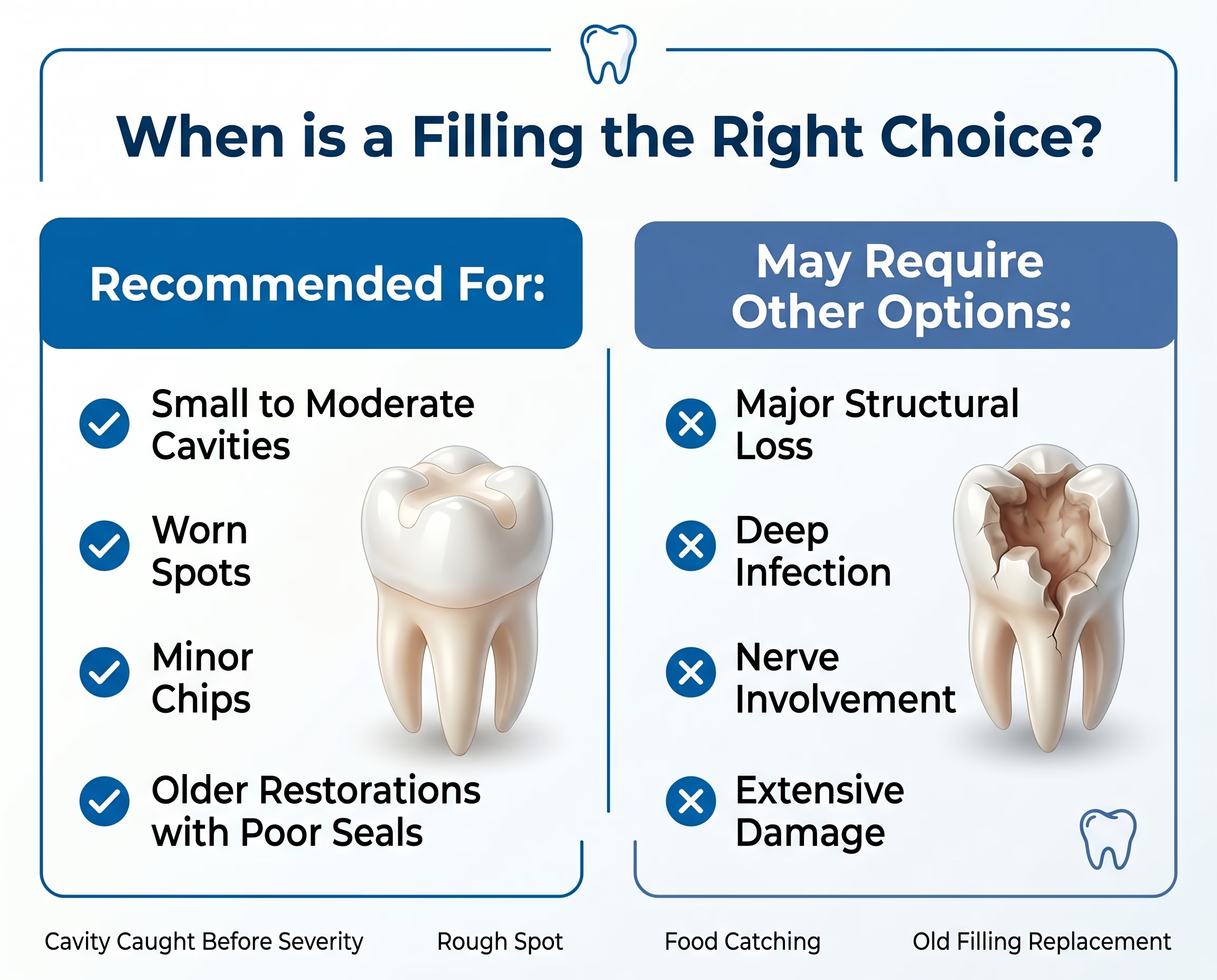
When is a Filling the Right Choice?
A filling is usually a good fit when a tooth has a small to moderate cavity, a worn spot, a minor chip, or an older restoration that no longer seals well.
It may not be the best choice when the tooth has major structural loss, deep infection, nerve involvement, or damage that extends too far below the surface. In those cases, your dentist may discuss another option instead.
What Fillings Are Usually for
Fillings are often used for patients who have:
- A cavity caught before it becomes severe
- A small chipped area
- A rough or worn spot
- Food catching in one area
- An old filling that needs replacement
What Are Fillings, and What Do They Fix?
A filling restores the part of the tooth that was damaged by decay or minor breakage. The goal is to seal the area, support the tooth, and help you chew comfortably again.
For many patients, treatment is not only about stopping decay. It is also about restoring comfort and preventing the tooth from needing a more extensive procedure later.
Common Reasons a Tooth May Need One
- Tooth decay
- A visible dark spot or hole
- Sensitivity to sweets, cold, or pressure
- A chipped edge
- A worn area from grinding or brushing habits
- An older filling that is cracked, loose, or leaking
Tooth-colored Fillings and Other Materials
Many patients prefer tooth-colored materials because they blend in more naturally with the smile.
Depending on the tooth and the situation, dentists may also discuss other materials. The best choice depends on how much support the tooth needs, where the tooth sits in the mouth, and how important appearance is in that area.
How Fillings Compare With Crowns and Bonding
A filling usually repairs a smaller damaged area.
A crown covers more of the tooth when added support is needed.
Bonding is often used for smaller surface corrections or minor reshaping, though the right choice depends on the tooth and your dentist’s findings.
When Another Treatment May Fit Better
Here is the easiest way to think about it:
| If the Tooth Problem Looks More Like This | The Next Conversation May Be About |
|---|---|
| Small to moderate cavity or minor chip | A filling |
| Larger loss of tooth structure | A crown |
| The tooth nerve may be involved | Root canal treatment plus restoration |
| Small cosmetic reshaping is needed | Bonding |
An exam helps confirm which path makes sense. Guessing based on symptoms alone is hard.
What Types of Filling Materials May Be Used?
Material choice is case-specific. Your dentist looks at the tooth, the size of the damaged area, bite pressure, and appearance goals before recommending what fits best.

Composite Fillings
Composite fillings are tooth-colored and often chosen when a natural look matters. They are commonly used in visible areas and in many everyday restorative cases.

Glass Ionomer Fillings
Glass ionomer is another filling material that may be used in selected situations. It can be useful in smaller areas or when fluoride release is part of the treatment discussion.

Silver Fillings
Silver-colored fillings are still part of general educational discussions about restorative materials. Whether they are considered in a given office or case depends on clinical judgment, material preferences, and the services actually offered at that practice.
What Signs Mean You Should Schedule an Exam?
Some warning signs are easy to spot. Others are mild at first and get worse slowly.
Common Symptoms to Watch for
- Toothache that comes and goes
- Sensitivity to cold, sweets, or pressure
- A rough edge you can feel with your tongue
- Food catching in one area
- A dark spot or visible hole
- Pain when biting
- A chipped or cracked area
Signs You Should Book Sooner
- Worsening pain
- Swelling
- A broken filling
- A bite that suddenly feels off
- Pain that lingers after hot or cold foods
- Signs that the tooth may need more than a simple repair
What Happens During Your Appointment?
Most visits follow a similar pattern, though details can change based on the tooth and the amount of damage.
Exam and Diagnosis
Your dentist examines the tooth and may recommend imaging if needed. This confirms how far the damaged area extends and whether a filling is the right repair.
Numbing and Comfort
A local anesthetic is commonly used so the area can be treated comfortably.
Cleaning and Tooth Preparation
The damaged or decayed portion is removed. The tooth is then cleaned and prepared for the restorative material.
Placement and Shaping
The material is placed, shaped, and adjusted to fit the tooth. If a light-cured material is used, the dentist hardens it in stages.
Bite Check and Aftercare
Before you leave, the bite is checked so the tooth feels right when you close down. You should also receive simple aftercare guidance for eating, sensitivity, and when to call back.
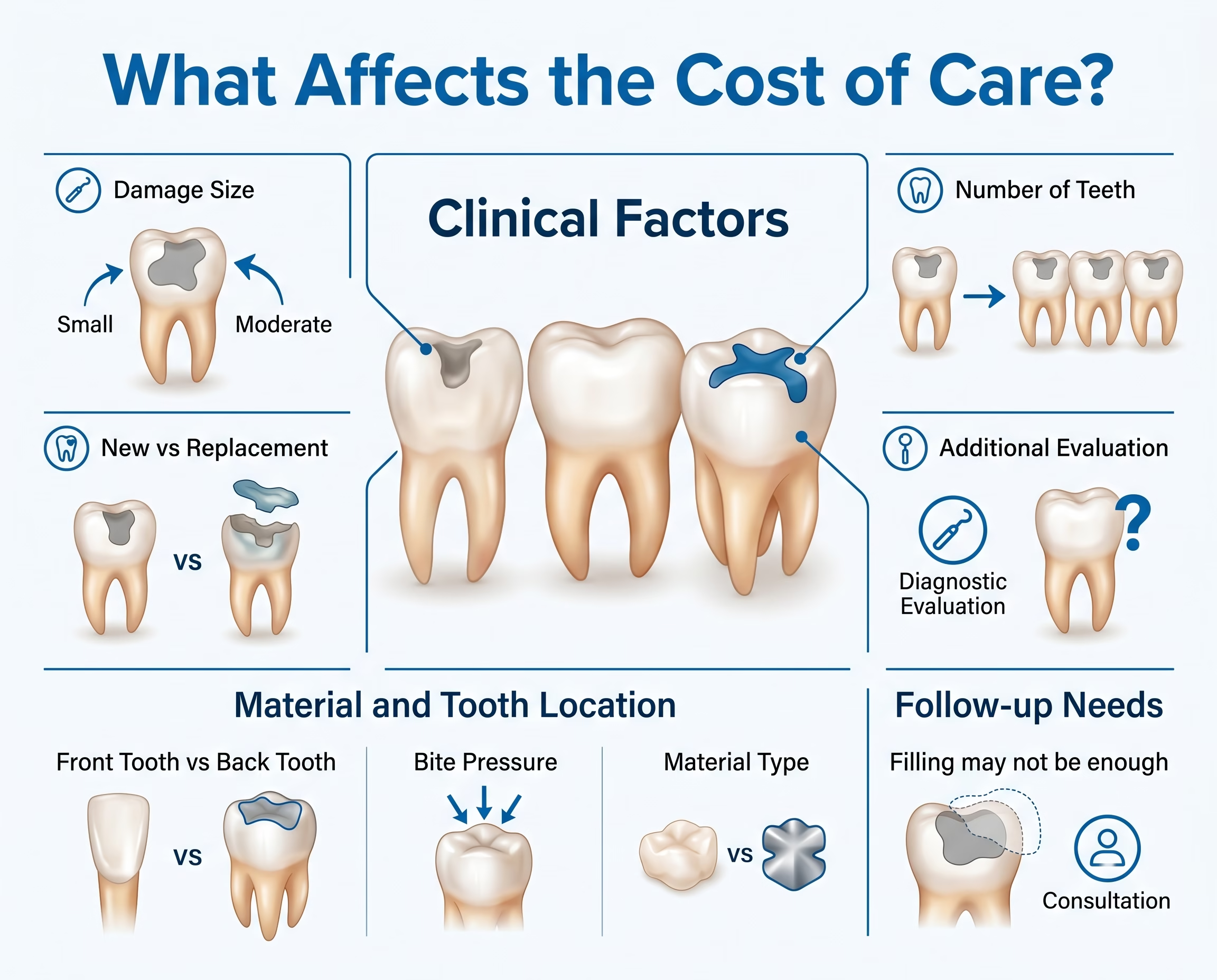
What Affects the Cost of Care?
The cost of treatment can vary even when two patients both “need a filling.”
Clinical Factors
These often matter most:
- How large the damaged area is
- Whether one tooth or several teeth are involved
- Whether the issue is a new decay or a replacement of old work
- Whether the tooth needs additional evaluation first
Material and Tooth Location
Front teeth, back teeth, and different materials can change the treatment plan.
The level of bite pressure on that tooth also matters because it affects how the repair needs to function.
Follow-up Needs
If the tooth turns out to need a bigger restoration, a simple filling may no longer be enough.
That is why the exam comes first. It helps avoid quoting treatment too early, then changing direction later.
What Should You Expect After Treatment?
Some temporary sensitivity is common after a filling, especially with cold air, pressure, or temperature changes.
That does not always mean anything is wrong.
What is Normal
- Mild soreness around the treated tooth
- Sensitivity for a short time
- Awareness of the tooth while the numbness wears off
What to Avoid at First
- Very hard foods
- Sticky foods
- Biting your cheek or lip while you are still numb
- Extremely hot or cold foods if the tooth feels sensitive
When to Call the Office
- Your bite feels high
- Pain is getting worse instead of better
- Lingering sensitivity that does not settle down
- A cracked or loose filling
- Swelling or signs of infection

Can Children Need Dental Fillings Too?
Yes. Children can get cavities, chipped areas, and wear just like adults can.
Treating those issues early can help protect comfort, chewing, and the tooth itself.
Why Kids Sometimes Need Them
A filling may be recommended if a child has:
- A cavity
- Visible damage to a tooth
- Food trapping in one area
- Sensitivity or pain that needs evaluation
When a Bigger Restoration May Be Discussed
If the damaged area is too large, your dentist may discuss a larger restoration instead of a filling.
The right choice depends on the tooth, the extent of damage, and what will best support the child’s long-term oral health.
Why Choose Elegant Edge Dentistry?
At Elegant Edge Dentistry, the focus is on personalized treatment planning, modern dentistry, and natural-looking results.
That matters with restorative care because the goal is not just to fill space. The goal is to restore comfort, function, and confidence in a way that fits the tooth and the patient.

Personalized Treatment Planning
No two teeth fail in exactly the same way. A careful exam helps determine whether a filling is enough or whether another option would serve the tooth better.

Natural-looking, Comfort-focused Care
The brand direction provided for this page emphasizes patient-friendly care, a modern setting, and a comfort-focused experience.
If your concerns include both repair and appearance, related cosmetic dentistry services may also be part of the wider conversation when appropriate.

Restorative and Cosmetic Support in One Office
The provided brand materials position the practice around both restorative and cosmetic care. That gives patients a clearer path when a tooth needs repair now, but smile goals matter too.
What Happens Next if You Think You Need Care?
The next step is simple: get the tooth checked before the problem gets bigger.
Small issues are easier to plan around than advanced damage. If you have a dark spot, food trapping, a chipped edge, or new sensitivity, schedule an appointment with Elegant Edge Dentistry at (248) 720-5387 or request a visit online.
Common Questions About Fillings
Do Fillings Hurt?
Most appointments use a local anesthetic, so you should feel pressure more than pain during treatment.
Some soreness or sensitivity after the visit can be normal. If pain worsens or your bite feels off, contact the office.
How Long Does an Appointment Take?
That depends on the size of the area being repaired, the tooth involved, and whether imaging is needed first.
Your dentist can provide a more accurate estimate after the exam.
How Long Do Fillings Last?
Longevity depends on the tooth, the size of the restoration, bite pressure, oral hygiene, and habits like grinding or chewing hard objects.
Regular checkups help catch wear or leakage early.
What’s the Difference Between Composite and Silver Fillings?
Composite fillings are tooth-colored and often chosen when appearance matters.
Silver fillings are more noticeable. The right material depends on the tooth, functional demands, and your dentist’s recommendation.
Can Kids Get Tooth-colored Fillings?
Yes, in many cases they can.
The best option still depends on the tooth, the size of the cavity, and the child’s treatment needs.
Can an Old Filling Be Replaced?
Yes. A filling may need replacement if it cracks, loosens, leaks, or wears down over time.
An exam can show whether replacement is the next step.
When is a Crown Needed Instead of a Filling?
A crown may be recommended when the tooth has too much structural loss for a standard filling to hold up well.
That decision depends on how much healthy tooth remains and how much force the tooth can handle.
What if I’m Not Sure Which Restoration I Need?
That is common.
A clinical exam and X-rays, if needed, help determine whether a filling, bonding, crown, or another treatment makes the most sense for your tooth.