
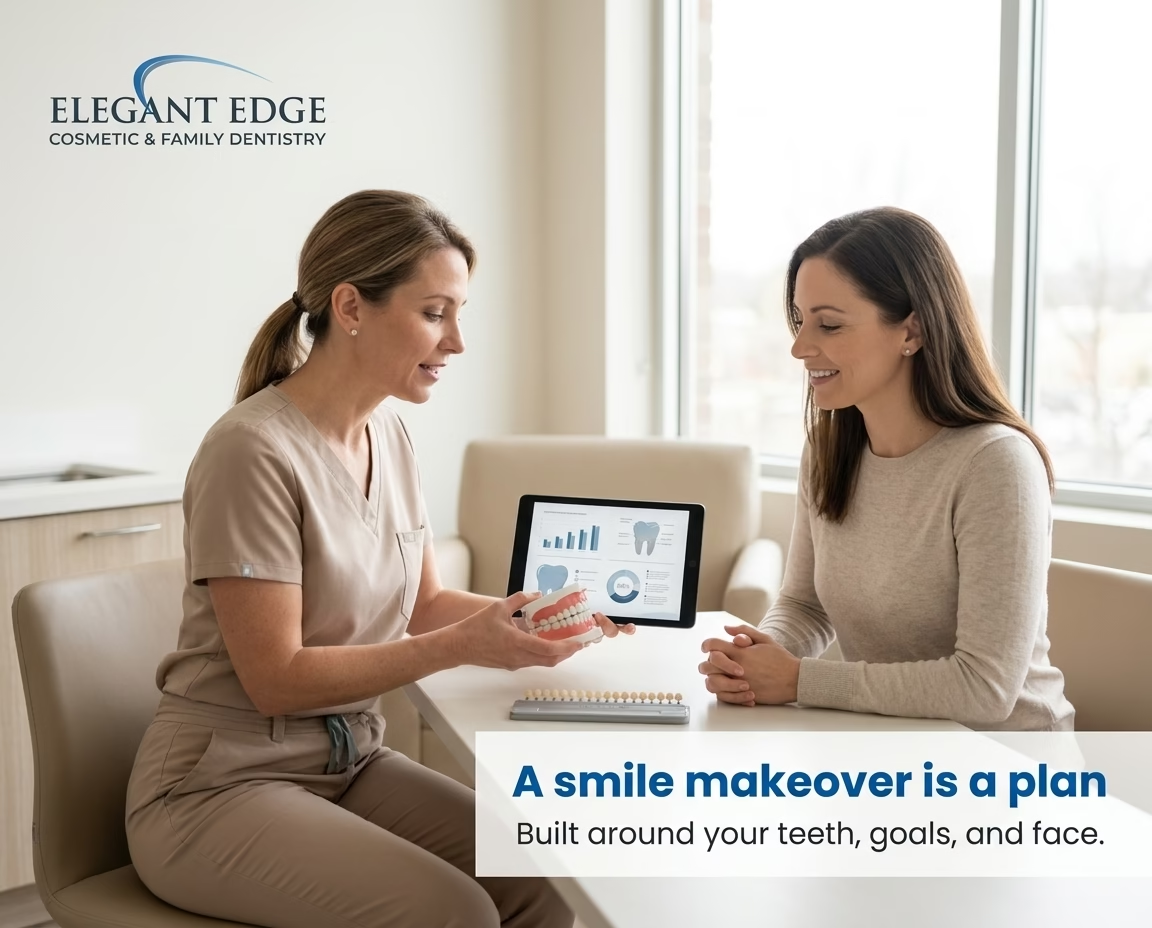
Understanding Smile Makeover Cost Michigan starts with knowing what a smile makeover includes. A smile makeover is a personalized treatment plan that combines multiple cosmetic dental procedures, like porcelain veneers, professional whitening, bonding, or Invisalign, to address several smile concerns at once. In Michigan, smile makeover costs typically range from around $800 for simple cases to $30,000 or more for full transformations. Pricing depends on the number of teeth treated, which procedures are involved, and overall case complexity.
Key Takeaways
- A smile makeover is not a single procedure – it’s a tailored combination of cosmetic treatments built around your unique goals, tooth anatomy, and facial proportions.
- Common building blocks include porcelain veneers, professional whitening, Bioclear, dental bonding, Invisalign, and dental implants. The mix is what makes each plan unique.
- Michigan smile makeover costs range from around $800 (simple bonding plus whitening) to $30,000+ for full mouth cases involving veneers, implants, or orthodontics.
- Foundational dental work (treating gum disease, cavities, or structural damage) must come before any cosmetic work. Beautiful results need a healthy base to last.
- Most cosmetic procedures aren’t covered by dental insurance, but financing options like CareCredit can spread the investment over manageable monthly payments.
A Smile Makeover Isn’t a Single Procedure – Here’s What It Actually Means
The phrase “smile makeover” gets thrown around like it’s one thing you book. It isn’t.
A smile makeover is a personalized plan that brings together multiple cosmetic dentistry treatments to address one patient’s specific combination of concerns. No two plans look the same.
Take two examples. A patient with mild yellowing and a single chipped front tooth needs a very different approach than someone dealing with gaps, gum recession, and worn-down teeth from grinding. The end goal is the same (a smile they feel good about). The road there isn’t.
Your dentist looks at the whole picture: tooth color, shape, size, alignment, gum line, and how everything reads against the rest of your face. From that map, the smallest combination of treatments that gets you a natural-looking result is what gets recommended.
Notice the word “natural.” A good smile makeover doesn’t aim for cookie-cutter “Hollywood” teeth. It aims for a smile that fits your face, your features, and your personality.
What Treatments Are Typically Included in a Smile Makeover?
Cosmetic dentists work with a small set of building blocks. The art is choosing which ones, in what order, and on which teeth.
Teeth Whitening (Zoom). Often the first step. Professional whitening sets the target shade that everything else, including veneers and bonding, will be matched to. Six to ten shades of improvement is a normal result. In Michigan, professional teeth whitening runs about $400 to $800 per session.
Porcelain Veneers. Thin shells of porcelain are bonded to the front of your teeth. They fix color, shape, chips, and mild misalignment in one to two appointments. Veneers are the cosmetic cornerstone of most full smile makeovers. Cost per tooth in Michigan: $1,000 to $2,500. Learn more about porcelain veneers.
Lumineers. Ultra-thin veneers (around 0.2mm) often need little to no enamel reduction. Best for milder color or shape concerns. $900 to $2,000 per tooth.
Bioclear. A composite resin technique is done in a single visit. It closes gaps, fixes “black triangles” between teeth, and reshapes minor chips beautifully. $300 to $1,000 per tooth.
Dental Bonding. Tooth-colored resin sculpted directly onto a tooth. Fast, conservative, and used for small chips or gaps when full veneers aren’t needed. $200 to $600 per tooth.
Invisalign and Orthodontics. When teeth need to be moved before cosmetic work begins, Invisalign clear aligners reposition them first. Total cost in Michigan typically lands between $3,000 and $8,000.
Dental Implants. Used when a missing tooth is part of the picture. $3,000 to $5,000 per implant. See more on dental implants.
Gum Contouring. Reshaping the gum line. Added to the plan when a “gummy smile” or uneven gums affect the overall proportion.
Dental Crowns. When a tooth has too much damage for a veneer, like a large old filling or a root canal-treated tooth, a crown restores both function and appearance.
How Is a Smile Makeover Planned and Sequenced?

Planning a smile makeover is half the work. Sequencing is what protects your investment. Here’s how it usually unfolds:
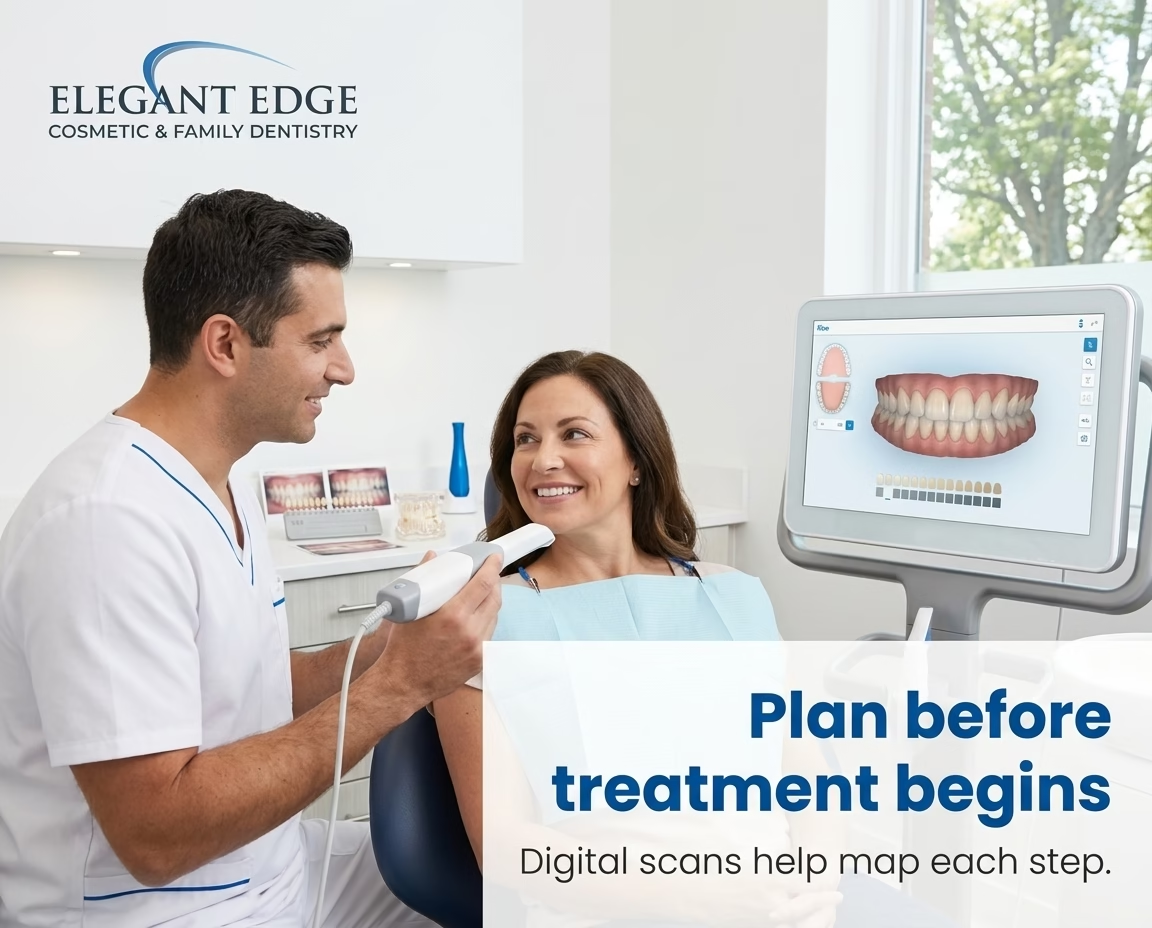
Step 1: Cosmetic consultation. Your dentist reviews what you want changed, takes photos, and runs a digital scan (often with iTero). Goals and current oral health get reviewed together.
Step 2: Digital smile preview. iTero scanning lets you see a digital mock-up of your new smile before any drill touches a tooth. This step alone has changed how patients make decisions.
Step 3: Foundational work. Cavities, gum disease, and structural issues get treated first through general dentistry care. Cosmetic work on an unhealthy foundation doesn’t last, and no responsible dentist will skip this part.
Step 4: Orthodontics, if needed. Invisalign moves teeth into the right positions before veneers go on. Skipping this step in cases that actually need it is a common reason cosmetic results disappoint patients later.
Step 5: Whitening. Done before veneers or bonding, so your new restorations match the brighter shade of your natural teeth, not the pre-whitening one.
Step 6: Cosmetic procedures. Veneers, Bioclear, and bonding get placed in the planned sequence.
Step 7: Final review and maintenance plan. Photos, a nightguard if grinding is a concern, and a long-term care schedule that protects the result.
How long does the whole thing take? Simple cases (whitening plus a few bondings) wrap up in two to four appointments over a few weeks. Complex cases (Invisalign plus implants plus a full set of veneers) can run twelve to eighteen months from start to finish.
Smile Makeover Cost Michigan: How Much It Costs in Michigan
Pricing for a smile makeover swings widely. The honest answer to “how much does it cost” is “it depends on what’s actually in your plan.”
Three rough Michigan price ranges to anchor your expectations:
- Simple smile makeovers (whitening plus bonding on 2 to 4 teeth): $800 to $3,000
- Mid-range makeovers (4 to 8 veneers plus whitening): $5,000 to $12,000
- Full comprehensive makeovers (10+ veneers plus implants or orthodontics): $15,000 to $30,000 or more
What drives the price up or down:
- Number of teeth being treated
- Which specific procedures are included (porcelain veneers cost more than bonding)
- Complexity of the case (does the bite need correction? Are implants involved?)
- Lab quality (the lab a dentist uses directly affects how natural the porcelain looks)
- The dentist’s experience with cosmetic cases
Insurance coverage is the question every patient asks. Cosmetic procedures generally aren’t covered. There are exceptions. Some restorative components, like an implant for a missing molar or a crown on a structurally compromised tooth, may have partial coverage depending on your plan. Bring your insurance card to the consultation, and the team can walk through specifics.
For payment, Elegant Edge Dentistry accepts CareCredit and other financing options. Monthly payment plans bring most makeovers within reach. Spread over the lifespan of porcelain veneers (10 to 20 years), the per-year cost is often lower than patients expect.
Porcelain Veneers vs. Lumineers: Which Belongs in Your Smile Makeover?
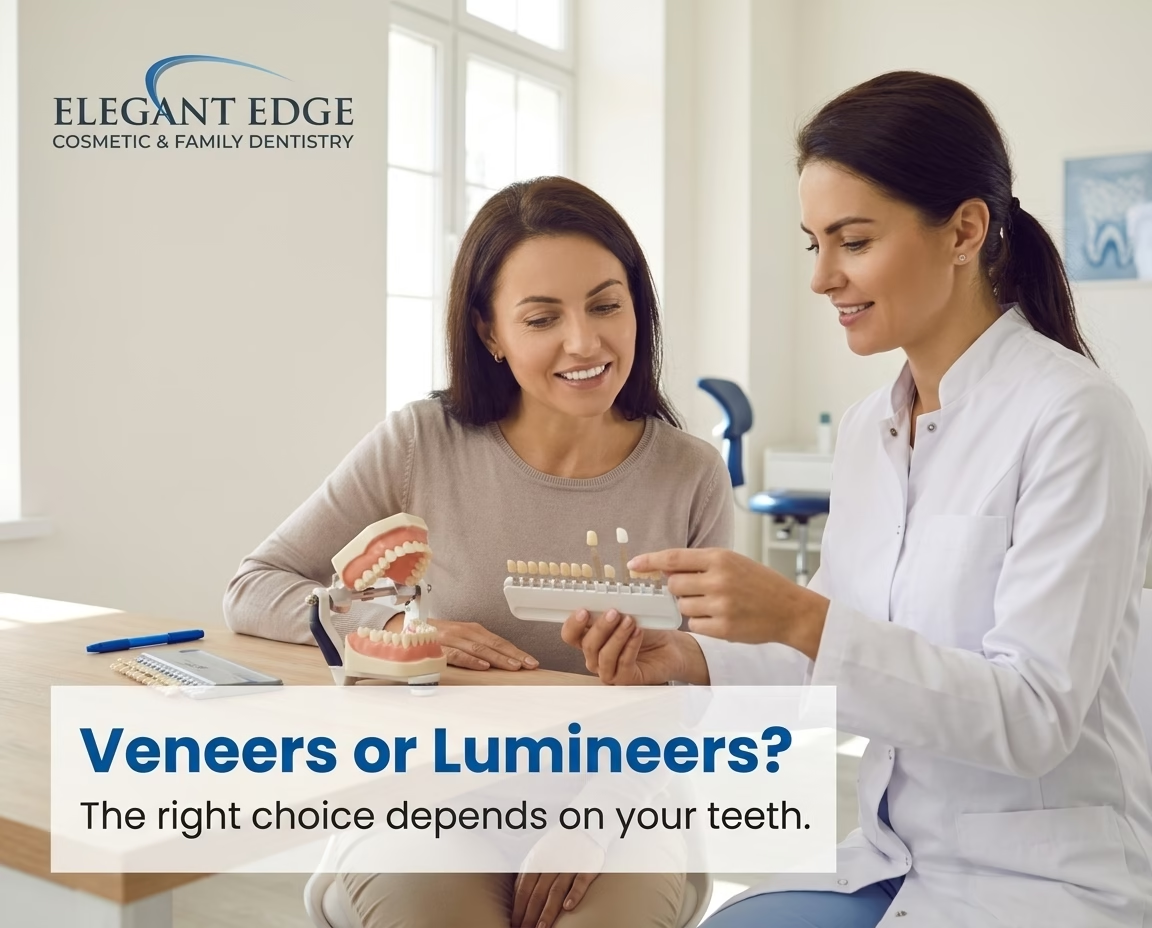
Both are porcelain. The differences come down to thickness and how much tooth has to be prepared.
Traditional porcelain veneers
- Custom-designed and highly customizable
- Require about 0.5mm of enamel reduction
- Permanent (you can’t reverse the enamel reduction once it’s done)
- 10 to 20 years typical lifespan
- Best for: significant color masking, shape correction, or major transformations
Lumineers
- Ultra-thin (around 0.2mm)
- Sometimes need no enamel preparation at all
- Can look bulky on already-thick teeth
- More limited for severe cases
- Best for: mild color changes, small gaps, patients who want minimal tooth alteration
Inside a full smile makeover, the choice isn’t about which one is “better.” It’s about which one fits your existing teeth and your goals. A patient with naturally thin teeth might be a great Lumineers candidate. Someone with severe staining or significantly misshapen teeth almost always needs traditional veneers.
The question worth asking at consultation: “Given my specific goals, would I be a better candidate for traditional veneers or Lumineers, and why?” A good cosmetic dentist will explain the reasoning, not just hand you a recommendation.
Elegant Edge Dentistry offers both. The recommendation is always based on your individual case, never a practice preference.
5 Questions to Ask at Your Smile Makeover Consultation
Walking into a cosmetic consultation prepared changes the conversation. Five questions worth asking:
- Based on my specific goals, which combination of treatments would you recommend, and why that mix?
- Can I see a digital preview of what my new smile will look like before any work starts?
- Is there foundational dental work that needs to happen before cosmetic treatment can begin?
- What’s a realistic timeline for completing my smile makeover from start to finish?
- What kind of maintenance will I need to protect these results long-term?
If the answers are clear and specific (not vague reassurances), you’re in the right place. A dentist who explains the why behind each recommendation is one who’s planning for your long-term result, not just the next appointment.
Are You a Good Candidate for a Smile Makeover?
Most adults with healthy teeth and gums are candidates. The basic profile:
- Generally healthy teeth and gums (no untreated decay or active gum disease)
- Cosmetic concerns: staining, chips, gaps, mild misalignment, worn or short teeth
- Realistic expectations about what cosmetic dentistry can and cannot do
Patients who aren’t quite ready yet:
- Anyone with active gum disease (it has to be treated first)
- Untreated cavities or teeth that need structural restoration
- Patients with severe bite issues that need orthodontic correction first
Age is rarely a limiting factor for adults. Teens can begin with less invasive options like whitening or limited bonding, but most major cosmetic work waits until tooth development is complete.
One commitment to know up front: veneers come with maintenance. A nightguard if you grind, regular hygiene visits, and avoiding biting on hard objects (ice, fingernails, popcorn kernels). Treat them well, and they last.
What Happens Next? Booking Your Cosmetic Consultation
If a smile makeover is on your mind, the next step isn’t a procedure. It’s a consultation. The first appointment is about understanding what you want, what your teeth are working with, and whether the plan that gets you there fits your time and your budget.
Schedule your consultation at Elegant Edge Dentistry, or call us at (248) 720-5387 to talk through what you’re considering.
We’ll review your goals, take the scans we need, walk through pricing transparently, and put a real plan on paper before you commit to anything.
Frequently Asked Questions About Smile Makeovers
How long does a smile makeover last?
The lifespan depends on which procedures are included. Porcelain veneers typically last 10 to 20 years with proper care. Bioclear restorations last 10 to 15 years. Professional teeth whitening usually needs a touch-up every 1 to 3 years. Wearing a nightguard if you grind, keeping up with regular cleanings, and avoiding biting on hard objects all extend results. Treat veneers like the investment they are, and they hold up for the long haul.
Is a smile makeover painful?
Most patients are surprised by how comfortable the process is. Procedures are done under local anesthesia, and discomfort during treatment is rare. Some mild sensitivity (especially after veneer placement or whitening) is normal for a few days. For patients with dental anxiety, sedation dentistry options are available. Anxiety around cosmetic dentistry is common and valid. The Elegant Edge team handles it without judgment.
Does insurance cover smile makeovers?
Cosmetic procedures generally aren’t covered by dental insurance. There are exceptions. Restorative components like a crown placed on a structurally damaged tooth, or an implant replacing a missing tooth, may qualify for partial coverage depending on your plan. The billing team can review your insurance before your first appointment so you know exactly where you stand financially.
How is a smile makeover different from a full mouth reconstruction?
A smile makeover is primarily about appearance. A full mouth reconstruction goes deeper, addressing structural and functional problems alongside cosmetic ones. Reconstruction is the right route for patients with severe damage, multiple missing teeth, or bite problems that affect how they eat. Some cases overlap. Your exam decides which path actually fits your situation.
Can I get a smile makeover if I have dental anxiety?
Yes. Sedation dentistry is built specifically for anxious patients, including those who’ve avoided the dentist for years. Many of the practice’s most grateful patients started out highly anxious. The team is patient, explains everything before they do it, and adjusts pacing to whatever you need. You’re not the first nervous patient to walk through the door, and you won’t be the last.
How soon can I start a smile makeover?
After your consultation, planning typically takes a couple of weeks (especially if a digital mock-up is part of your plan). Simple cases (whitening plus bonding) can begin within days. More complex cases involving Invisalign or implants take longer to sequence properly. Rushing this stage is one of the most common reasons makeovers go wrong, so the dentist will set a pace that protects the long-term result. Call (248) 720-5387 or use the online contact form to schedule.
