
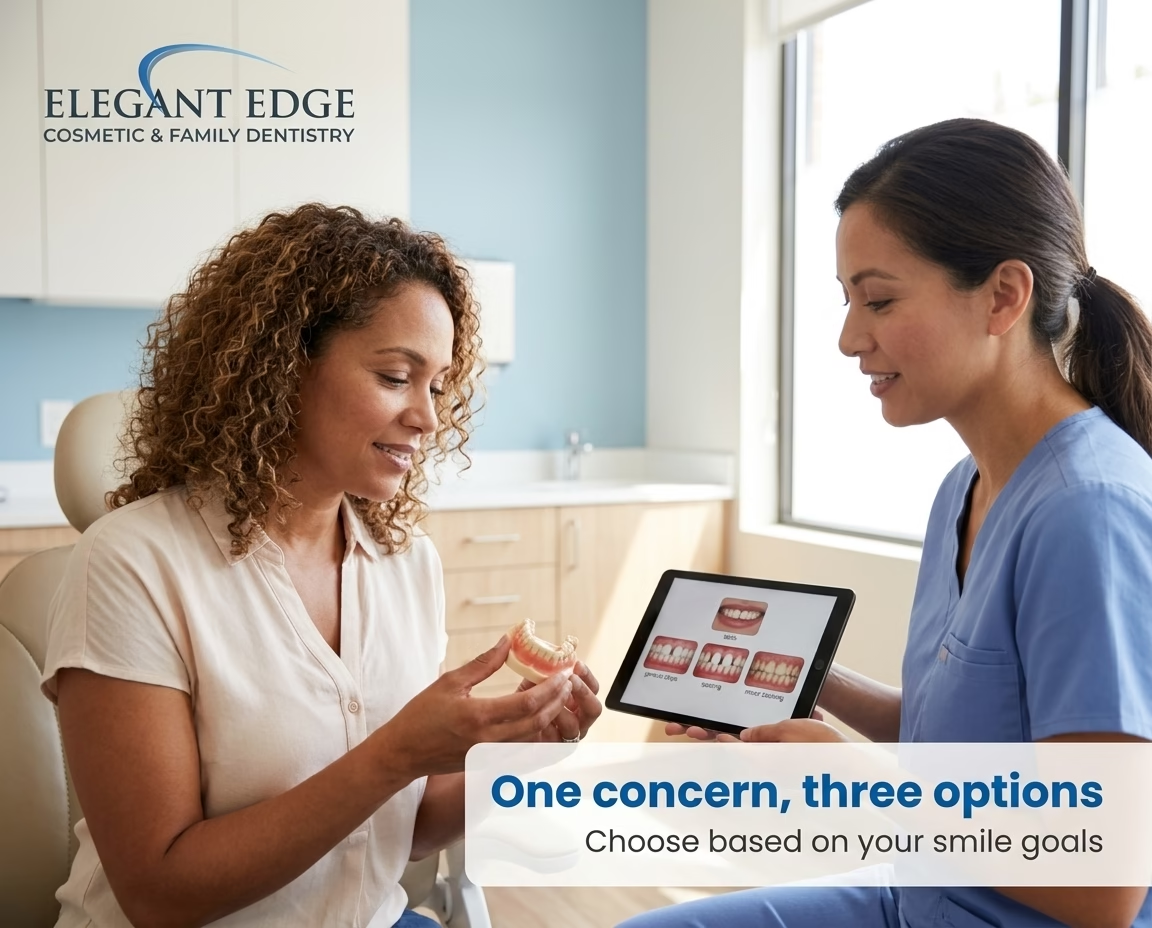
Bioclear vs. veneers vs. bonding comes down to a choice between three cosmetic options for chips, gaps, and stains. Traditional bonding is the cheapest and fully reversible. Bioclear uses an injection-molded matrix for stronger, longer-lasting results without removing enamel. Porcelain veneers deliver the most dramatic, longest-lasting transformation but require permanent enamel reduction.
Key Takeaways
- Traditional bonding is the most affordable cosmetic fix at roughly $200 to $600 per tooth and is fully reversible, but the material lasts only 4 to 8 years on average.
- Bioclear uses a clear matrix and heated, injectable composite for stronger, more uniform results that last 10 to 15 years with no enamel removal.
- Porcelain veneers offer the longest lifespan (10 to 20 years) and the most dramatic transformation, but the procedure is permanent because thin layers of enamel are removed.
- The best option depends on your specific concern. A small chip needs different treatment than dark gaps near the gumline or a full smile redesign across multiple teeth.
- A 30-minute cosmetic consultation with iTero digital imaging is the fastest way to confirm which option fits your case, your budget, and your timeline.
Ready to see your options? Call (248) 720-5387 or schedule your consultation online.
Why There Are Three Different Answers to the Same Cosmetic Problem
Most people who walk into our office worried about their smile have one of three concerns. A chipped front tooth that won’t stop bothering them. A gap between two teeth that shows up in every photo. Or staining that whitening trays just can’t touch.
Here’s the deal: there is no single “best” cosmetic fix for these issues. The right answer depends on your tooth, your goals, your budget, and how much commitment you want to make. That’s why our cosmetic dentistry team walks every patient through all three options before recommending one.
Three procedures solve the same core problems with very different trade-offs. Traditional bonding is fast and cheap. Bioclear is the modern upgrade that closes gaps and rebuilds chipped edges with a longer-lasting material. Porcelain veneers are the premium, permanent route for major smile redesigns.
By the end of this guide, you’ll know which one fits your situation. We’ll cover what each procedure actually does, how long results last, what they cost, and the patient profile each one is built for.
What Is Bioclear, and Why Most Patients Have Never Heard of It
Bioclear is a cosmetic technique most patients haven’t heard of, mostly because dental marketing tends to focus on either bonding (the basic option) or veneers (the premium one). It sits in the middle and quietly outperforms both in certain situations.
Developed by Dr. David Clark, Bioclear uses a thin, clear plastic matrix that wraps around the tooth. Heated, injectable composite resin is then forced into the matrix under pressure. The result is a smooth, dense, gap-free surface that flows around the entire tooth, not just on top of it.
That’s the part that makes Bioclear different from regular bonding. Standard bonding is hand-shaped and applied to one face of the tooth. Bioclear creates a fully bonded shell that looks more like a veneer, but without removing any enamel.
Cases Bioclear handles especially well:
- Black triangles, the dark spaces that show up between teeth near the gumline, as we age
- Small chips along the edges of the front teeth
- Minor gaps and uneven tooth shapes
- Reshaping teeth that look short or worn
What Bioclear is not built for: missing teeth, severe alignment issues, or teeth with major decay. For those, your provider may recommend implants, orthodontics, or a different restorative path.
The pros: no enamel removal, completed in one visit, technically reversible, lower cost than veneers, and a 10 to 15 year lifespan with good care.
The cons: not as stain-resistant as porcelain, not the right answer for severe yellowing or very dark teeth, and may need a refresh sooner than veneers.
How Does Traditional Dental Bonding Actually Work?
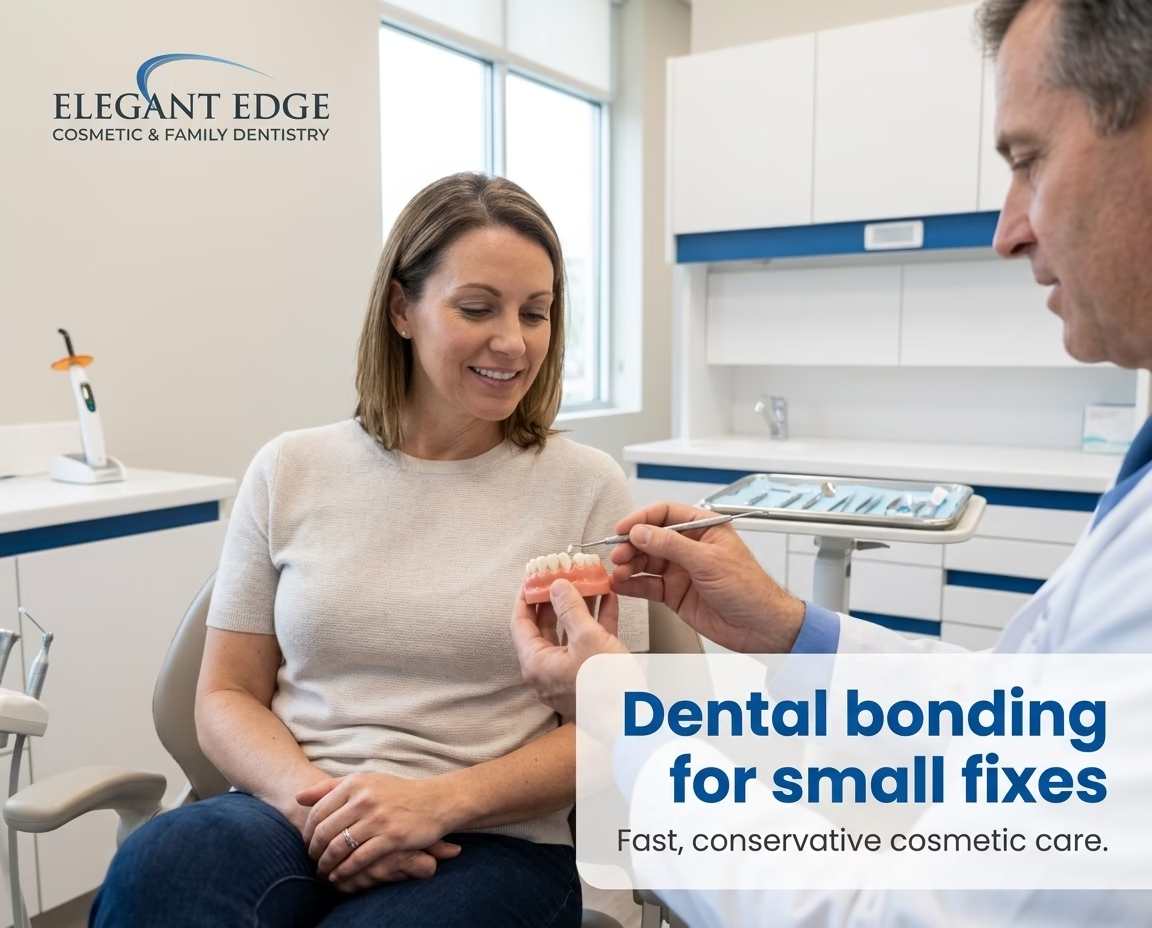
Traditional bonding has been around for decades because it works for the everyday cosmetic problems most people deal with. The dentist applies tooth-colored composite resin directly to the tooth, sculpts it by hand, and hardens it with a curing light.
The procedure is finished in a single visit, usually in under an hour. No anesthesia is needed in most cases, and no enamel is removed. That’s a big reason patients reach for it as a starter option.
Where bonding wins:
- Small chips on the front or otherwise visible tooth
- Minor gaps between two teeth
- Single-tooth color changes that professional teeth whitening can’t fix
- Patients who want the lowest-cost, lowest-commitment fix
Where it falls short. Bonding is hand-applied, so the result depends heavily on the dentist’s eye and skill. The material stains more easily than porcelain or Bioclear and can chip if you bite hard objects. Most cases need a refresh every 4 to 8 years.
The simplest way to think about it: traditional bonding is the freehand version. Bioclear is the matrix version. Same composite family, very different finish.
What Are Porcelain Veneers (and Where Do Lumineers Fit In)?
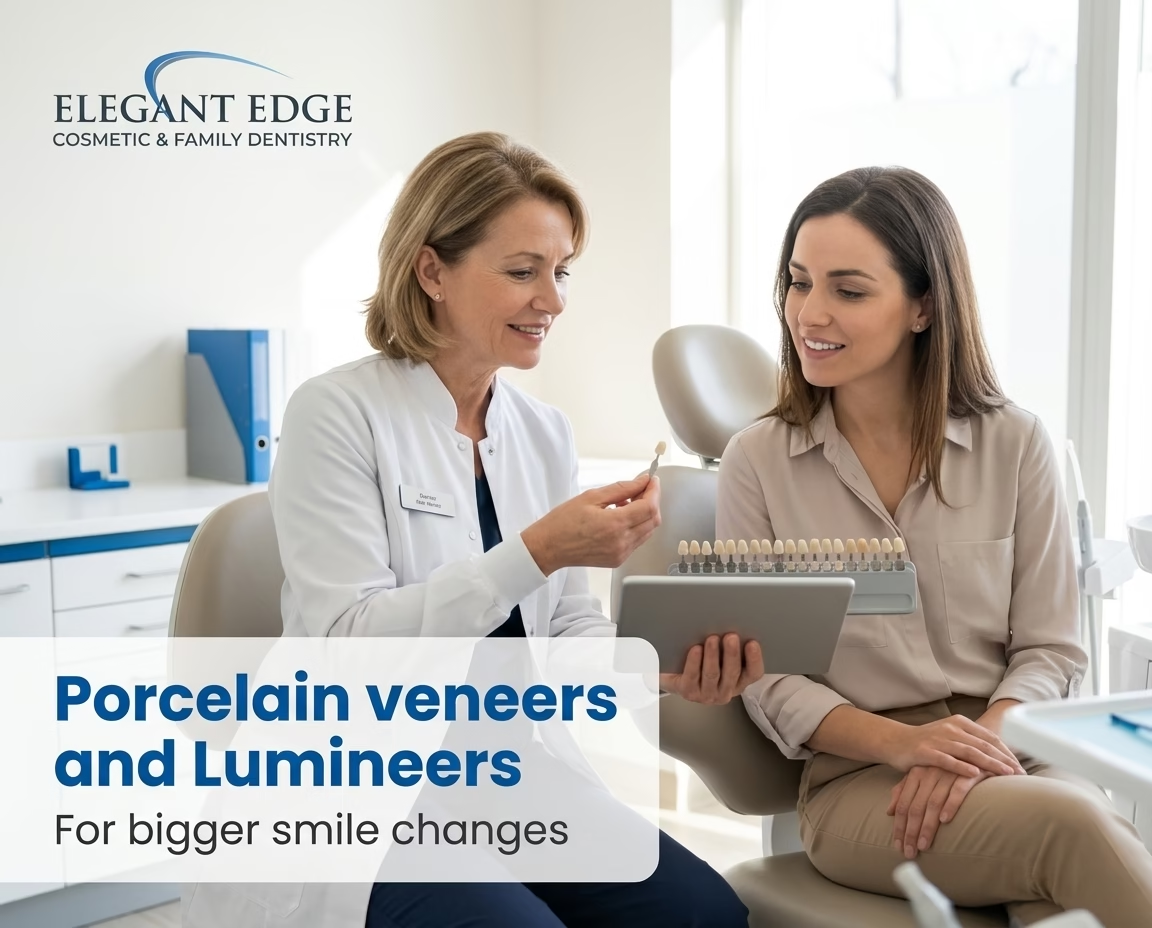
Porcelain veneers are the gold standard for cosmetic transformations. Each veneer is a custom-made, thin shell of porcelain bonded to the front surface of a tooth. Done well, they look indistinguishable from natural teeth and resist staining for decades.
The process takes two to three appointments. First, the dentist removes a thin layer of enamel, usually around half a millimeter, to make room for the veneer. An impression or digital scan is sent to a lab that fabricates the shells. At the final visit, the veneers are bonded permanently in place.
Because enamel is removed, this step cannot be undone. Once you commit to veneers, you’ll always need veneers on those teeth.
The pros: a 10 to 20 year lifespan, the highest stain resistance of any cosmetic option, the most dramatic correction for color and shape, and the best long-term aesthetic for a smile makeover.
The cons: irreversible, the most expensive option, requires multiple visits, and some patients have temporary sensitivity afterward.
Lumineers are a subtype. They are ultra-thin porcelain veneers that, in the right cases, need little to no enamel reduction. They work well for mild changes but can look bulky on certain tooth shapes if the case isn’t selected carefully.
Elegant Edge Dentistry offers both traditional porcelain veneers and Lumineers. The recommendation depends on your enamel, your alignment, and how much change you actually want.
Side-by-Side: Bioclear vs. Veneers vs. Bonding
Side-by-side, the differences become clear. Use this comparison to weigh the three options on the factors that matter most when you’re deciding.
| Factor | Dental Bonding | Bioclear | Porcelain Veneers |
|---|---|---|---|
| Procedure type | Hand-sculpted composite | Matrix-injected composite | Custom-fabricated porcelain shells |
| Enamel removal | None | None | Yes, around 0.5mm |
| Visits required | 1 | 1 | 2 to 3 |
| Lifespan | 4 to 8 years | 10 to 15 years | 10 to 20 years |
| Stain resistance | Low | Moderate | High |
| Reversibility | Fully reversible | Reversible | Permanent |
| Best for | Minor chips, small single-tooth fixes | Black triangles, multi-tooth cosmetic concerns | Major redesigns, severe staining, and multiple teeth |
| Approximate cost per tooth | $200 to $600 | $300 to $1,000 | $1,000 to $2,500 |
| Repair ease | Easy and low-cost | Moderate | Replacement is lab-fabricated |
Cost ranges vary based on case complexity, the number of teeth involved, and whether sedation or additional preparation is needed. For a personalized estimate, schedule a free consultation at Elegant Edge Dentistry.
Which Cosmetic Option Is Right for Your Smile?
The right cosmetic procedure isn’t decided by which one sounds most impressive. It’s decided by your specific situation. Here are four common patient profiles and the option that usually fits each one.
Minor chip or small gap, tight budget, want a reversible fix
Traditional bonding is the smartest starting point. It’s fast, it’s affordable, and you can upgrade to a more permanent solution down the road if you want.
Black triangles, multiple small concerns, want better longevity than bonding
Bioclear is the strongest option here. It handles black triangles especially well, looks natural for years, and keeps your enamel intact. No commitment to veneers required.
Several teeth need work, significant staining, ready for a permanent transformation
Porcelain veneers are the right investment. The result is dramatic and lasts for decades, but the commitment is real. If decay is also a factor on any tooth, dental crowns may be paired in for structural support.
Want veneer-quality results with minimal tooth prep
Lumineers may be an option, especially if your existing tooth shape is favorable. A consultation will confirm whether your case is a good fit, since they don’t work for every smile.
The fastest way to know which fits you is a 30-minute cosmetic consultation. We’ll review your goals, take photos, and walk through every option that applies. No pressure to commit on the spot.
Call (248) 720-5387 or book your consultation to get started.
What Happens at a Cosmetic Consultation at Elegant Edge Dentistry
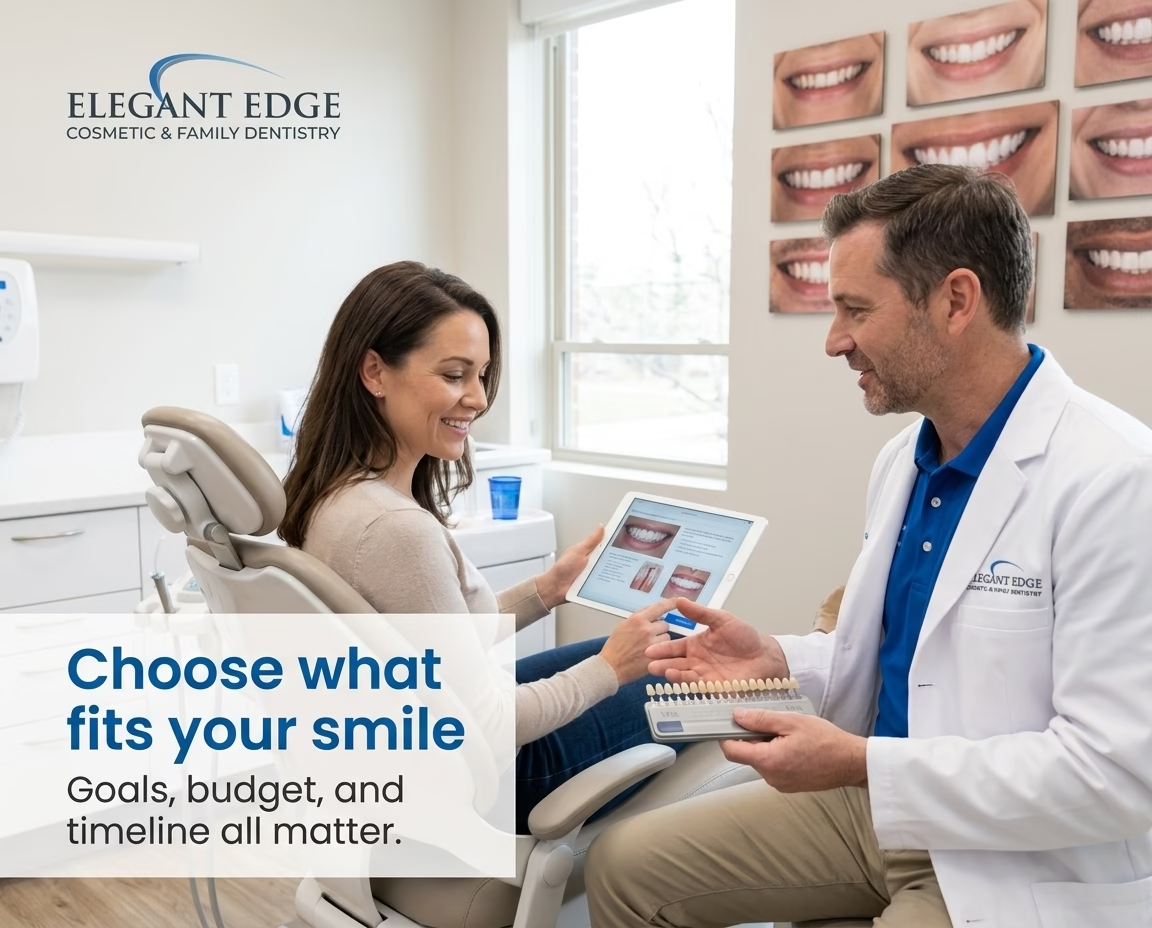
A cosmetic consultation at Elegant Edge Dentistry is built around clarity, not pressure. You’ll spend about 30 minutes with our team going through your concerns and what’s actually possible for your smile.
What we cover during the visit:
- Photos and a digital scan of your current smile
- A discussion of your goals and any cosmetic concerns
- An honest review of every option that applies, including which one we’d recommend and why
We use the iTero digital scanner, so you can preview likely treatment outcomes on screen before committing to anything. There’s no obligation to schedule treatment that day.
A note on insurance: most cosmetic dentistry isn’t covered by dental insurance. CareCredit financing is available for patients who want to spread treatment over monthly payments. We also offer evening and flexible weekday appointments for patients in Rochester Hills, Auburn Hills, and the broader Troy area.
Schedule Your Cosmetic Consultation
Choosing between Bioclear, bonding, and porcelain veneers is easier when you’ve seen all three side by side, on your own teeth, on a real screen. That’s what a consultation at Elegant Edge Dentistry is for.
Call (248) 720-5387 to book directly, or contact us online to request an appointment time that fits your schedule.
Frequently Asked Questions
Is Bioclear permanent?
No. Bioclear is considered semi-permanent. The composite material can be removed without harming the underlying tooth structure, which makes it reversible. With good home care and regular hygiene visits, expect 10 to 15 years before a refresh or replacement is needed.
Does Bioclear stain over time?
Bioclear is more stain-resistant than traditional bonding because the matrix produces a denser, smoother surface. It is still composite resin, though, so it isn’t as stain-proof as porcelain. Cutting back on heavy coffee, red wine, and tobacco helps a lot. Many patients have the surface polished at routine cleanings to keep it looking fresh.
Can dental bonding really close a gap between front teeth?
Yes. Bonding is one of the most common ways to close small gaps between front teeth. For wider gaps or for black triangles near the gumline, Bioclear usually creates a more natural and longer-lasting result. The size of the gap and the shape of the surrounding teeth decide which one to choose.
Which lasts longer: veneers or Bioclear?
Porcelain veneers last 10 to 20 years on average. Bioclear lasts 10 to 15 years. Both depend on solid home care, no nail-biting, no chewing ice, and a nightguard if you grind your teeth. The bigger trade-off isn’t longevity, it’s that veneers are permanent and Bioclear is not.
What is the cheapest way to fix a chipped tooth?
Traditional dental bonding is the most affordable cosmetic fix, usually $200 to $600 per tooth. For a single small chip, it’s quick, effective, and reversible. If multiple teeth are involved or the chip is large, a consultation will help you decide whether a longer-lasting option is worth the higher initial cost.
Do I need to remove enamel for Lumineers?
Often, very little or none, which is one of the main reasons patients ask about them. The catch is that Lumineers don’t work for every smile. If your teeth are already prominent or alignment is uneven, traditional veneers may produce a more natural result. Your dentist can confirm after a digital scan.
