

Key Takeaways
- Implants can replace one tooth, several teeth, or help support a full arch.
- A complete plan depends on bone support, gum health, and healing needs.
- Treatment usually happens in stages, not as a single quick visit for every case.
- Cost varies based on the number of implants, restoration type, and prep work.
- A consultation helps confirm candidacy, timing, and the best next step.
Ready to talk through your options? Schedule your consultation or call (248) 720-5387.
Who is Implant Treatment a Good Fit for?
This May Help if You Are Missing One Tooth or Several
Implant treatment can be worth discussing if you:
- Have one missing tooth
- Have several missing teeth in a row
- Want more stability than a removable option
- Have a failing tooth that may not be restorable
- Want a solution that can support chewing and speaking more naturally
It can also be part of a broader smile-and-function plan when both appearance and bite matter.
When Another Option May Make More Sense First
You may need a different first step if:
- There is active gum disease
- The site needs more bone support
- A tooth can still be saved
- Healing factors need closer review
- A bridge or denture fits your goals better right now
Not every patient should move straight to an implant.
What Affects Cost in Rochester Hills?
The Biggest Cost Factors
The final fee depends on the details of the case.
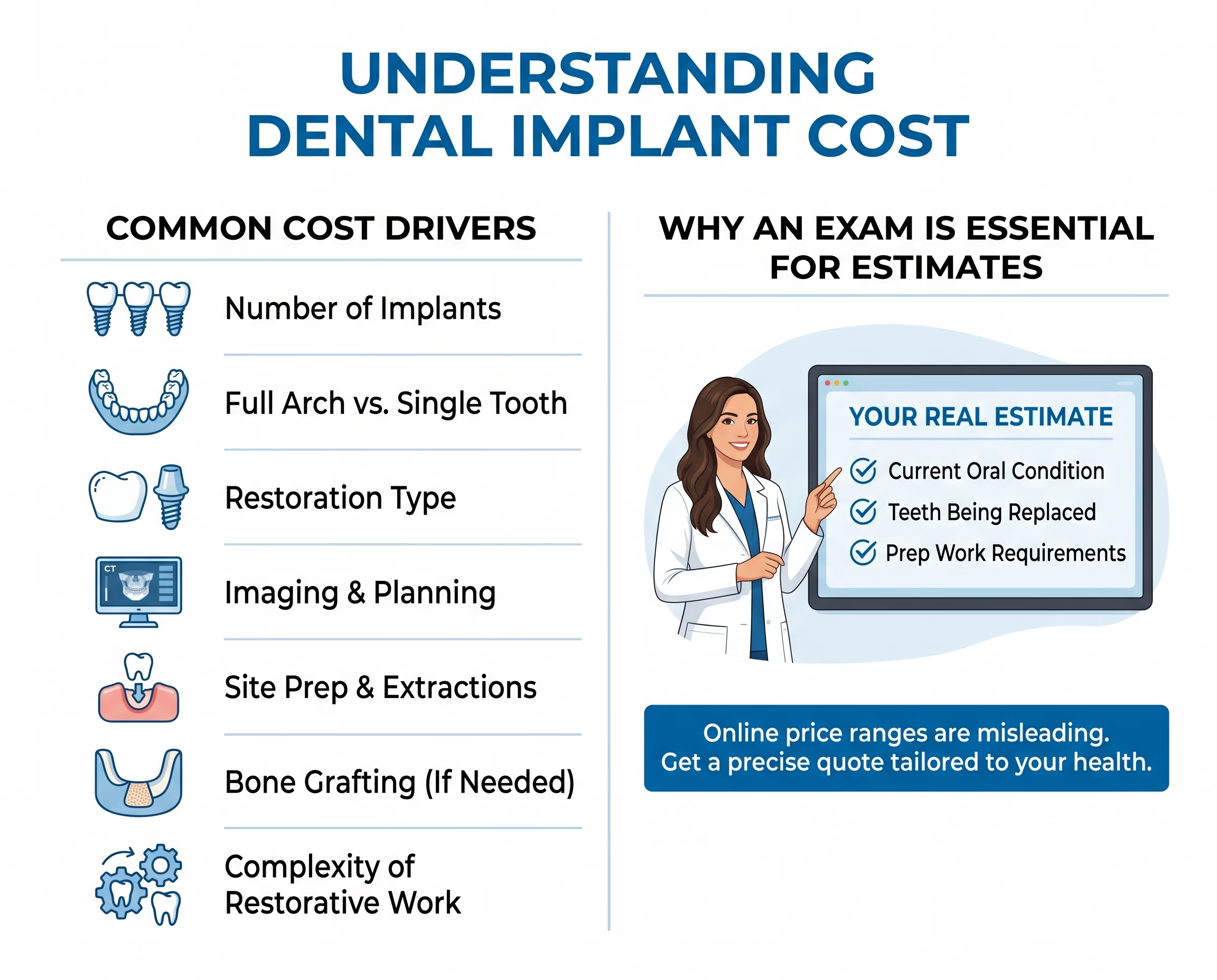
Common cost drivers include:
- Number of implants needed
- Whether one tooth or a full arch is being restored
- Type of final restoration
- Imaging and treatment planning
- Extractions or site preparation
- Bone grafting, if needed
- Complexity of the bite and restorative work
Why a Real Estimate Needs an Exam
Online price ranges can be misleading.
A real estimate usually needs an exam because the best treatment depends on your current oral condition, the number of teeth being replaced, and whether prep work is needed first.
What Are Implants and How Do They Work?
The Three Main Parts
A typical implant-supported tooth has three main pieces:
- Implant post: the part placed in the jawbone
- Abutment: the connector that joins the post and the final restoration
- Crown: the visible tooth-shaped part above the gumline
The post replaces the missing root. The crown replaces the visible tooth.
How the Implant Bonds With Bone
After placement, the bone heals around the post. This bonding process is often called osseointegration.
That healing stage matters because it helps create stable support for the final restoration. The timeline varies from one patient to another.
What Options Are Available for Different Situations?

Replacing One Tooth
A single implant can support one crown. This is often considered when one tooth is missing, and the nearby teeth do not need to be used as anchors.

Replacing Several Teeth
When several teeth are missing, one option may be an implant-supported bridge. In some cases, fewer implants can support more than one replacement tooth.

Supporting a Full Arch
If many or all teeth in an arch are missing, implants may be used to help support a larger full-arch restoration or to stabilize a denture.
How Do Implants Compare With Bridges and Dentures?
| Option | Often Used for | Main Upside | Main Trade-off |
|---|---|---|---|
| Implant | One missing tooth, several missing teeth, or added support | Replaces the root area and can stand on its own | Usually takes more time and planning |
| Bridge | One tooth or a short span of missing teeth | Fixed solution without implant surgery in some cases | Often depends on nearby teeth for support |
| Denture | Many missing teeth | Broader replacement option | May feel less stable unless supported differently |
Who May Be a Candidate?
Bone, Gums, and Overall Health All Matter
A good candidate often has:
- Healthy or manageable gums
- Enough bone support at the site
- A stable bite plan
- Room for the restoration
- Healing factors that support treatment
Smoking, uncontrolled health issues, active infection, and untreated gum disease can all affect planning.
What if You Have Been Told You Need Bone Grafting?
That does not always rule treatment out.
Bone grafting may be recommended when the site needs more support before placement. It is a planning issue, not automatically a deal breaker.
When gum treatment or specialist support may come first:
Some cases need gum treatment before implant placement. Others may involve coordinated care for grafting or more complex planning.
That is one reason a consultation matters. The goal is not to impose a single solution. The goal is to choose the right sequence.
What Does the Process Look Like From Consult to Final Tooth?
Consultation and Planning
This first visit usually reviews:
- Your goals
- Oral health and bite
- Whether the area is ready now or needs preparation first
- Replacement options based on how many teeth are missing
Tooth Removal or Site Preparation, if Needed
If a damaged tooth is still present, it may need to be removed first. Some patients also need site development before placement.
Implant Placement
A small post is placed in the jaw where the missing root once was. This creates the foundation for the final restoration.
Healing and Bone Integration
Healing takes time. During this phase, the bone bonds with the implant post, and the site is monitored.
Abutment and Final Restoration
Once healing is ready, the connector and final restoration are placed. That final restoration may be a crown, bridge, or another planned option, depending on the case.
What is Recovery and Aftercare Like?
What to Expect Right After Placement
Your instructions may include guidance on:
- Cleaning the area
- Food choices
- Activity limits
- Follow-up timing
- Signs that should be reported
Most patients should expect some tenderness and swelling, as well as a soft-food period after treatment.
How to Care for the Area Long Term
That usually means:
- Brushing and cleaning carefully at home
- Keeping regular dental visits
- Monitoring the gums around the area
- Protecting the bite if needed
- Addressing any soreness, looseness, or changes early
Long-term success depends on routine maintenance.
Why Choose Elegant Edge Dentistry for Implant Planning?
Personalized Treatment Planning
Implant care should not feel one-size-fits-all. The better approach is a plan built around your oral health, goals, and timeline.
Cosmetic and Restorative Thinking in One Plan
This kind of treatment affects both function and appearance. That is why the planning stage matters.
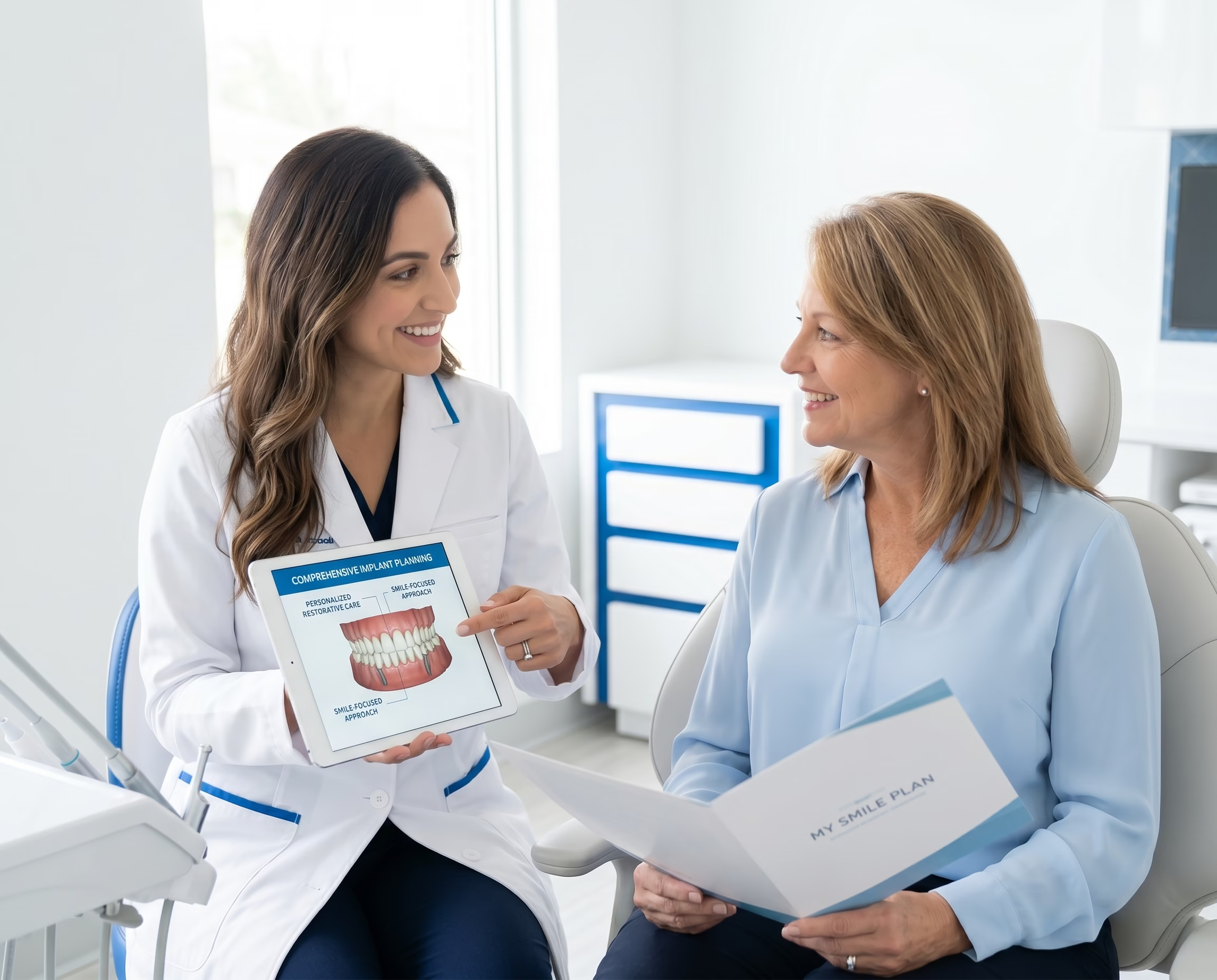
At Elegant Edge Dentistry, implant treatment can be framed as part of a larger restorative and smile-focused plan, not just a stand-alone procedure.
What Happens Next if You Reach Out
The next step is simple:
- Discuss what is missing or failing
- Review what is bothering you day to day
- Look at what may need to happen first
- Talk through timing, options, and the factors that affect cost
What Are the Common Questions Patients Ask?
How Long Can an Implant Last?
With good home care, regular dental visits, and healthy surrounding tissue, an implant can last a long time. Exact lifespan varies by patient and maintenance.
Does Getting an Implant Hurt?
Patients are usually kept comfortable during treatment. Afterward, soreness and swelling can happen, but the level and duration vary from case to case.
How Long Does the Process Usually Take?
Many cases take place over several stages. Healing time, grafting, and restoration timing all affect the schedule.
Do I Always Need Bone Grafting?
No. Some patients do, and some do not. It depends on the amount of support available at the site.Are Implants Better Than a Bridge?
Are Implants Better Than a Bridge?
Sometimes yes, sometimes no. The answer depends on the condition of nearby teeth, long-term goals, available support, and the overall treatment plan.
Can Implants Support Dentures?
Yes, in some cases, they can help stabilize or support a denture. The exact design depends on the mouth, the arch, and the type of restoration being planned.
Can Gum Disease Affect Whether I Qualify?
Yes. Healthy gums matter. If gum disease is active, treatment may need to happen before placement is considered.
What Happens at the First Consultation?
The first visit typically focuses on goals, oral health, treatment history, and what steps may come next. It is meant to give you clarity, not pressure.
Ready to Take the Next Step?
Bring your questions, your concerns, and a clear sense of what is bothering you most.
Schedule an implant consultation at Elegant Edge Dentistry. Call (248) 720-5387 or request a visit through the contact page.