
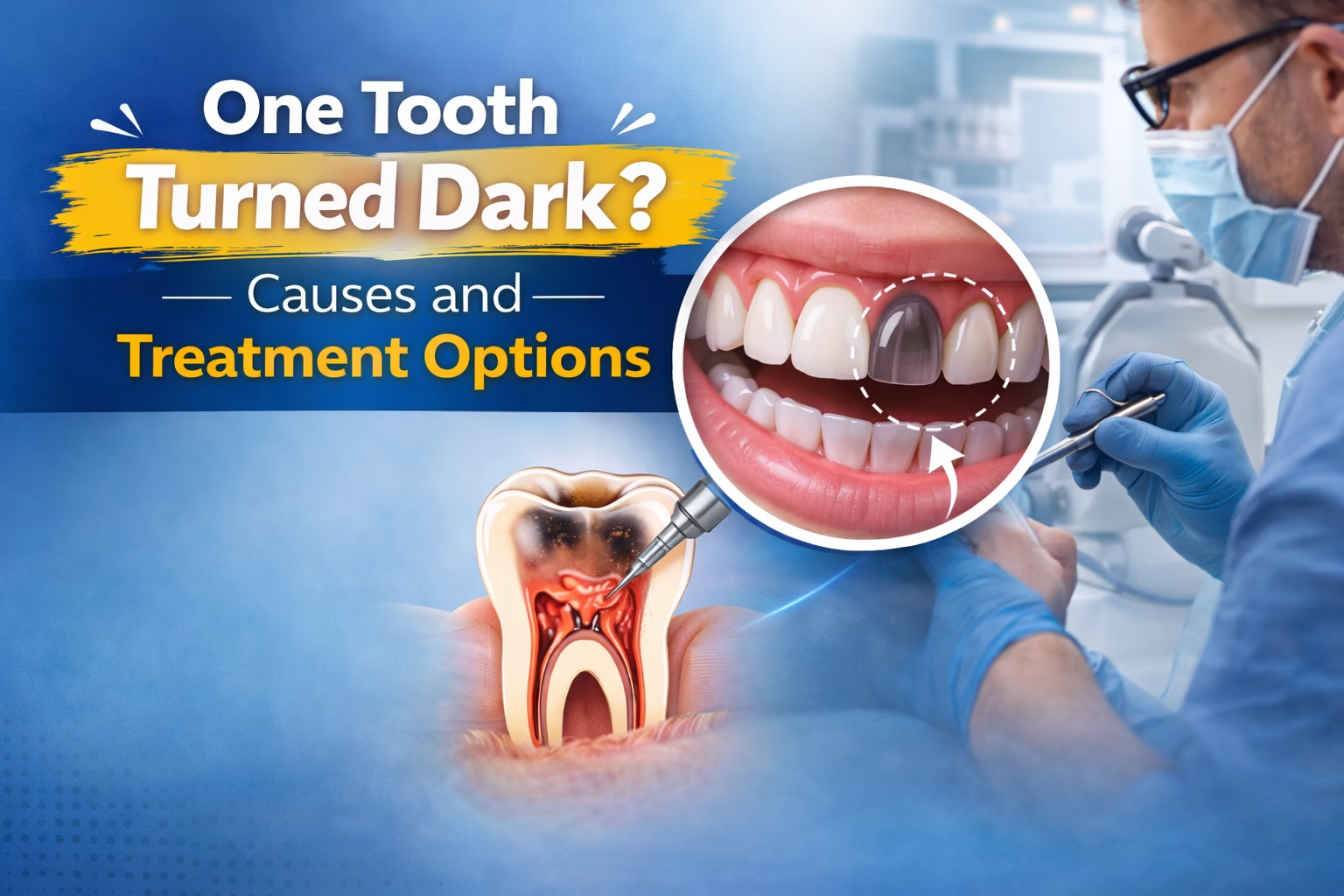
When one tooth turns dark, it can be for several reasons, from minor trauma to more serious underlying issues. Most of these issues are treatable, especially when you catch them early on and know what you have to do.
Common Causes of a Single Dark Tooth
Not all tooth discoloration happens the same way. If it’s because of coffee or tea stains, then you’re probably going to have even staining on all your teeth, but dark tooth causes that affect just one tooth usually mean something specific is going on inside or around that tooth.
Injury or Trauma: Even minor bumps can damage the blood vessels inside your tooth, and then blood seeps into the tooth structure, which makes it turn brownish or grayish.
Nerve Death: Sometimes a tooth dies slowly without obvious trauma; the nerve inside can break down because of deep decay or some injury you had a long time ago. When that happens, tooth discoloration on one tooth is usually gray or yellow.
Root Canal Complications: If you had a root canal years ago, the filling material can sometimes make your tooth get darker over time.
Medications: Certain antibiotics, especially tetracycline taken when you’re a kid, can cause permanent stains on your teeth, but that usually affects more than one tooth and not just one.
Understanding Why One Tooth Is Darker Than Others
Every tooth in your mouth has a different position and history, so that darker tooth might have suffered some trauma you don’t even remember or developed decay without even noticing it.
Some teeth just have naturally thinner enamel, so it’s easier to see their internal changes. Your front teeth are less bulky than your molars, which means you can see changes on the inside sooner. Elegant Edge Dentistry sees a lot of patients who are surprised to find out that their dark tooth is from something that happened a long time ago.
When a Dark Tooth Needs Immediate Attention
If one tooth turns dark, it doesn’t always mean you need urgent care, but there are certain signs you’ve got to pay attention to, like pain, swelling, or sensitivity around the dark tooth, which might be a sign you have an infection. If you’ve got a bad taste in your mouth or bad breath in that part of your mouth that won’t go away, those are red flags, too.
If the tooth got dark suddenly, the Mayo Clinic recommends that you schedule a dental visit as soon as possible. Even if it doesn’t hurt, you should see a dentist within the next couple of weeks.
Dark Tooth Treatment Options
Treatment depends on what’s causing your discoloration, so your dentist is probably going to want to take X-rays and do vitality tests to determine if the nerve’s alive and there’s an infection.
Internal Bleaching: For non-vital teeth with no infection, internal bleaching can restore your color from the inside out. The dentist puts bleaching gel inside the tooth and seals it temporarily.
Veneers or Bonding: If bleach isn’t enough, there are cosmetic solutions like dental bonding or porcelain veneers that can mask the color change. Bonding uses tooth-colored composite resin to cover the dark surface.
Root Canal Therapy: If the tooth is dead or dying or already dead, your dentist will suggest a root canal treatment to remove the damaged nerve tissue. The American Dental Association says that modern root canal procedures have high success rates.
Crowns: Severely damaged teeth sometimes need a crown to restore the strength and a natural appearance of your tooth.
Preventing Future Tooth Discoloration
The best way to keep your teeth from turning dark is to protect them from trauma. If you do sports, wear a mouthguard, and don’t chew on ice or use your teeth as tools.
You also need to see a dentist regularly, so we can catch any problems early on before they reach the nerve. The better your dental hygiene, the less risk of infection you have.
What to Expect During Your Dental Visit
Your dentist will examine the dark tooth closely and compare it to your other teeth. Expect questions about when you first noticed the change and whether you’ve experienced pain.
X-rays reveal what’s going on beneath the surface. We take time at Elegant Edge Dentistry to make sure you understand what’s happening with your tooth.
Can You Fix a Dark Tooth at Home?
You’re better off staying away from over-the-counter whitening products because they won’t help with tooth turning gray from internal causes. Those strips and gels only work on surface stains.
Schedule Your Consultation Today
If one tooth turns dark, it’s telling you something, which could be minor or something that needs treatment.
Dr. Mansour and our team at Elegant Edge Dentistry can help you create a treatment plan with convenient evening appointments and advanced technology to keep you comfortable. Contact us to schedule your visit.
Frequently Asked Questions
Why did only one of my teeth turn dark?
Just one dark tooth usually happens because of localized trauma, a dead nerve, or past dental work. Internal discoloration happens when something damages the blood vessels or nerve inside one specific tooth.
Is a dark tooth always dead?
Not necessarily. A dark tooth often happens because of nerve damage, but that’s not the only cause. Your dentist can do vitality tests to see if the nerve still responds.
Can a dark tooth be whitened?
Traditional whitening treatments won’t do anything for teeth that have darkened from the inside, but a dentist can do internal bleaching. Veneers or bonding are good cosmetic solutions.
Should I see a dentist right away?
If you notice sudden darkening, pain, swelling, or sensitivity, schedule an appointment ASAP. The Mayo Clinic recommends having discolored teeth evaluated within a few weeks to prevent complications.
Is a dark tooth painful?
Dark teeth don’t always hurt, especially if the nerve died slowly, but some patients do experience sensitivity. Pain with swelling suggests active infection, which requires attention right away.
